


Ever felt that taking a break from a busy day makes a long hike seem almost easy? The right gear can change a rough trail into a delightful escape. Imagine your hiking checklist as a friend who’s always there, ready to help when unexpected twists come your way. In this guide, we cover the gear you need to stay safe, comfy, and ready to go, each item made to count. Ready to find out how a simple walk can turn into an unforgettable outdoor adventure?
Essential Hiking Gear Checklist for Safety, Comfort, and Performance
When you're planning an adventure, being prepared is key. The Ten Essentials are like your trusty checklist, covering everything from finding your way to staying cozy, fueled, and safe. Imagine blending the old-school feel of a paper map with the convenience of your favorite hiking app, it's a perfect mix that makes every hike feel secure and fun.
- Navigation Tools: Pack a durable paper map (maybe in a plastic bag) and a reliable compass so you always know where you are.
- Hydration System: Bring enough water at about 0.5 liters per hour and include a simple water filter or purifier to keep you refreshed.
- Nutrition Pack: Fill your bag with energy bars, nuts, trail mix, and dried fruit, snacks that keep your energy high and taste great.
- Layering Clothing: Get moisture-wicking base layers, a warm mid-layer, and a weatherproof shell to handle changing conditions comfortably.
- Emergency Kit: Include essentials like matches or a lighter, a whistle, a small light, a lightweight space blanket, and even a tiny trowel for unexpected needs.
- Multi-tool: A classic Swiss Army Knife (weighing roughly 0.7 ounces) is perfect for quick fixes and small first-aid tasks.
- Sun Protection: Don’t forget sunscreen, sunglasses, and clothing designed to protect you from the sun’s rays.
- Shelter: A lightweight, cost-effective space blanket can offer fast protection when you need it.
- Trash Bag: Use a ziplock bag along with disposable gloves for a simple solution to keep the trail clean.
- First Aid Kit: Pack the basics like bandages and supplies for blister care to handle minor scrapes.
- Trekking Poles: These provide extra balance on uneven trails.
- Bathroom Kit: Bring what you need to stay clean while respecting Leave No Trace practices.
Customize your gear list to match your specific hike, whether it’s the length of the trail, the weather forecast, or the roughness of the terrain. Enjoy your adventure with confidence and comfort!
Hiking Footwear Selection for Traction and Support
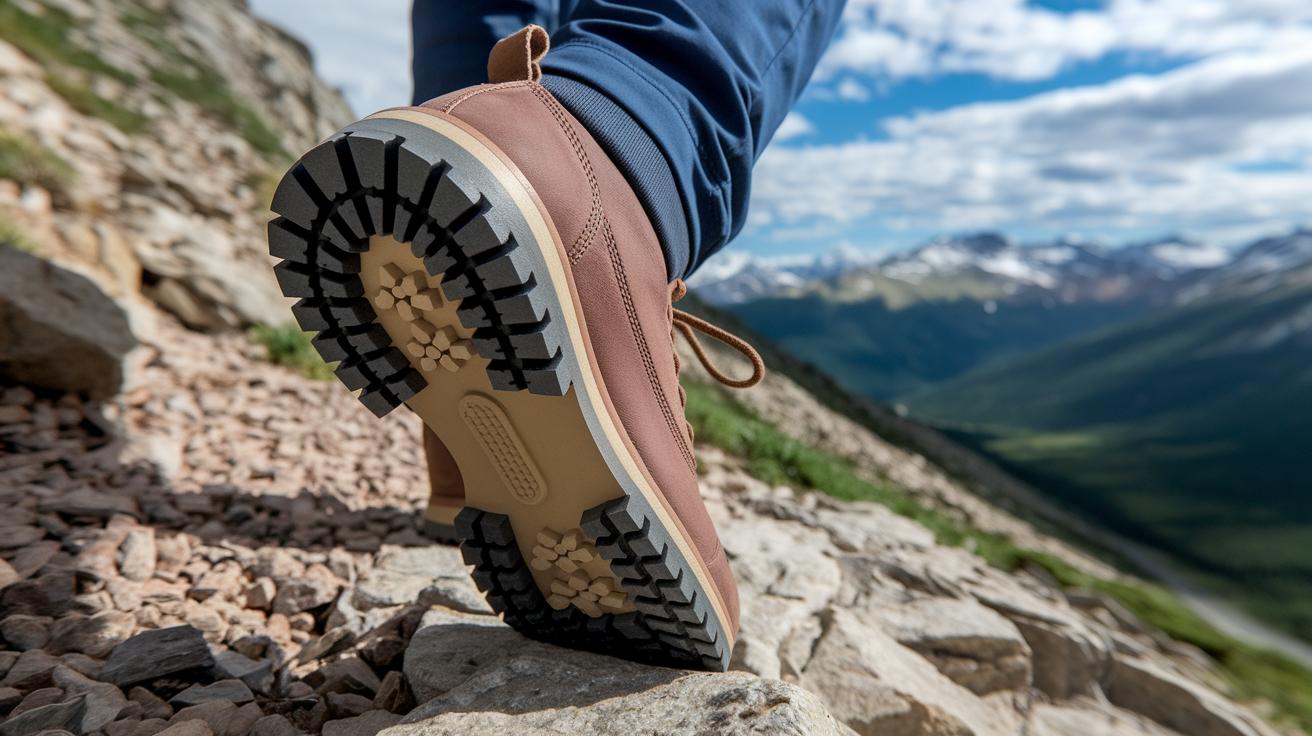
When you plan a hike, choosing the right shoes makes all the difference. A reliable pair of boots or trail shoes offers the grip you need on slippery or rocky paths, supports your ankles to stop twists, and gives your feet solid protection on rough ground.
Start with the fit. A snug, comfortable fit means fewer blisters and less fatigue. Try your boots later in the day when your feet are slightly swollen, and check that there’s enough room for thicker hiking socks. Take a few steps on an uneven surface, if your foot feels cramped or unstable, you might need a different size or style.
Look for footwear with membranes that blend waterproofing and breathability. This keeps your feet dry in wet weather while letting moisture escape when it's warm. Also, make sure your boots work well with gaiters if you plan to trek through dusty or snowy trails.
Here’s the simple list:
| What to Check | Why It Matters |
|---|---|
| Fit and sizing | Prevents blisters and keeps you comfortable |
| Traction on uneven surfaces | Keeps you stable on slippery or rocky ground |
| Ankle support and cushioning | Helps avoid twists and eases foot fatigue |
| Water resistance and breathability | Keeps your feet dry and cool |
Test your boots on different trails before setting off on a long hike. This way, you'll know your gear is ready for any adventure. Enjoy the journey with every step feeling just right!
Backpack Essentials and Efficient Packing Strategies
Having a strong, comfy backpack can really change your whole hiking experience. When you're picking a daypack, you might check out options like the Deuter Trail 28 SL for women or the regular Deuter Trail 28 if you have a broader or longer torso. These packs are made to spread out the weight evenly, helping you dodge fatigue on those long treks.
Organizing your gear is key. Start by sorting your items into the pack's inner compartments and using stuff sacks. This way, you’ll always have your raincoat or extra layers handy when the weather turns. Plus, an organized bag means no wasting time rummaging around when you need something quick. Try to stash heavier things close to your chest for better balance and save the frequently used items in top or side pockets.
Here are some practical ideas:
- Put heavier items, like water reservoirs, near your back.
- Use different pouches for snacks, first aid, or your maps.
- Keep tools you might need while hiking in the external pockets.
When you choose the right backpack and pack smart, you can just relax and enjoy being outdoors instead of scrambling for your gear. Every item has a place, so you know it’s right there when you need it most.
Navigation Tools and Hydration Solutions for Trails
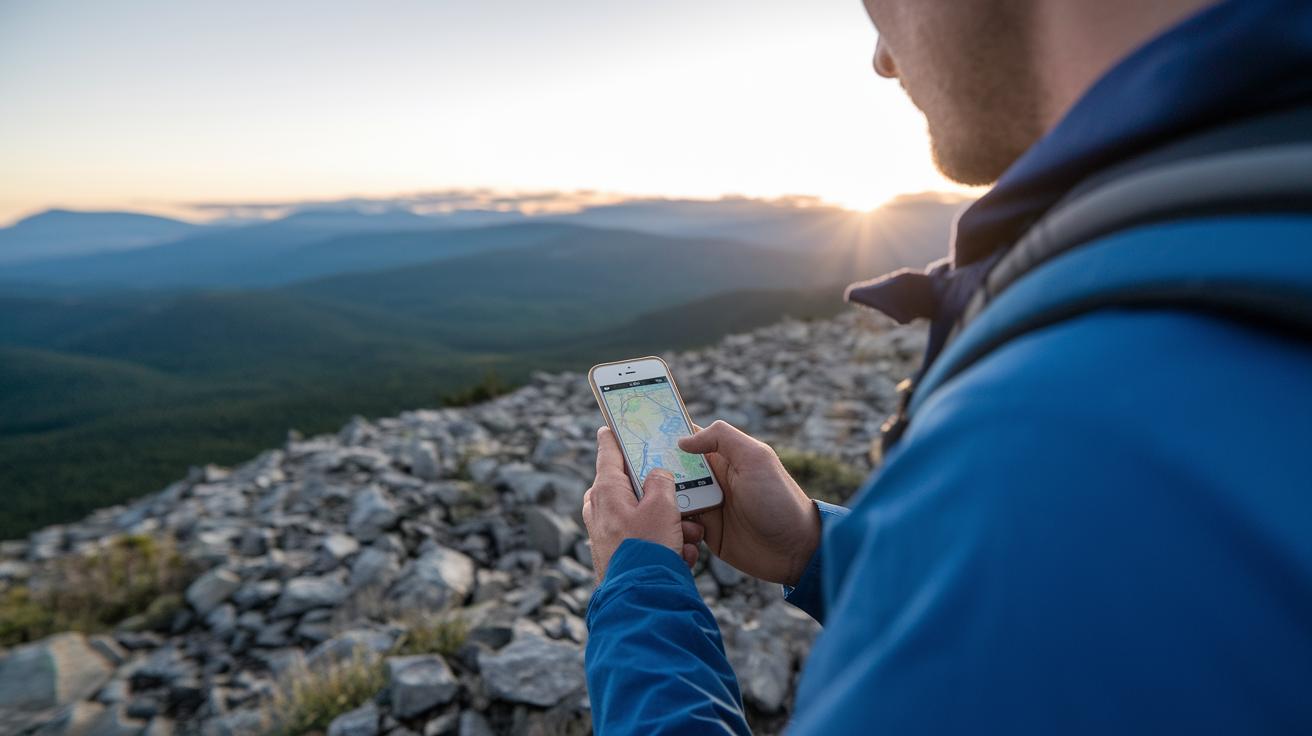
Looking to level up your hiking game? Modern apps let you track your route live, overlay weather updates, and even add custom stops along the way. Imagine previewing elevation changes as you plan the safest path, it's like having a trusty guide right in your pocket.
But sometimes technology can let you down. When your phone battery dies on a steep hillside, nothing beats a well-kept paper map and a trusty compass that have got your back.
When it comes to staying hydrated on the trail, choosing the right system is key. A hydration backpack with a built-in cooling pocket can be a lifesaver under a scorching sun, while a detachable water bottle might work better for a quick, easy hike. One seasoned hiker mentioned, "That reservoir with a cooling cover made all the difference on an unexpectedly hot day."
Don't overlook your trail nutrition either. Pack portable, high-calorie snacks that match the effort of your adventure, whether you're climbing steep inclines or enjoying a steady, long trek. It’s all about fueling up smart so you can keep going strong.
Here are some quick tips to enhance your journey:
- Keep your digital tools updated to adjust your route as conditions shift.
- Select hydration gear that suits the terrain and climate.
- Tweak your snack routine on the fly to meet the energy demands of each segment.
| Tool Type | Key Feature |
|---|---|
| Digital Navigation | Real-time updates and custom stops |
| Analog Navigation | Reliable when tech fails |
| Hydration Systems | Cooling reservoirs for hot climates |
Layering and Apparel for Changing Trail Conditions
Imagine your outfit working with you every step of the way on the trail. Start with a base layer that moves sweat away from your skin, materials like synthetic fabrics or wool are perfect for this. It keeps you dry and feeling good, even on tough parts of your hike.
Next, throw on a cozy mid-layer that holds your body heat without weighing you down. And don’t forget the outer shell. A waterproof and breathable jacket keeps out the wind and rain while letting moisture escape, so you don’t end up feeling soggy.
It’s a smart idea to pack an extra rain shell and rain pants, even if the day starts clear. Keep them in an easy-to-reach pocket of your backpack for those sudden weather surprises. A snug hat can add extra warmth when it gets chilly. If bugs are a concern, consider an insect head net, and try convertible pants for those days when the temperature keeps changing.
Mixing these layers lets you adjust your outfit as needed. It’s like having a mini wardrobe built right into your gear, ready to handle an unexpected shower or a cool breeze while keeping you comfortable throughout your hike.
Safety and Emergency Preparedness Items for Hikers

When you're heading into unpredictable terrain, it's a smart idea to pack fire-starting tools like matches, a lighter, or a ferro rod. Give each tool a try before you hit the trail, practice holding the ferro rod at a slight angle and striking it firmly to create sparks, so you'll be ready to build a fire when you need one.
For those low-light moments, make sure you have a headlamp with extra batteries or a small flashlight on hand. It's also wise to bring a powerful whistle (around 100 dB) along with reflective materials and an emergency blanket. These items can really help others spot you in an emergency.
Be sure to include survival tools like an ultralight trowel and a multi-tool. The trowel is great for digging small fire pits or marking latrine spots, and the multi-tool comes in handy for quick repairs or first-aid tasks when unexpected challenges pop up.
Finally, stock your first aid kit with essentials like bandages, supplies for blister care, antiseptic wipes or solution, and tape. And don’t forget to brush up on basic first aid skills, it really makes a difference when you need to use these supplies in a pinch.
Final Words
In the action, we reviewed everything from a must-have hiking gear checklist to choosing the right footwear, packing smartly in your backpack, and planning for hydration and navigation. We even covered the right layers for changing weather and key safety items in case of emergencies. Each section offers practical tips and gear insights that make outdoor excursions more secure and fun. Stay prepared, enjoy the experience out in nature, and always pack your essential hiking gear.
FAQ
What are the 10 essential gears in hiking and survival kits?
The 10 core items for any hike include navigation tools (paper map and a backup compass), hydration supplies, nutrition snacks, layered clothing, an emergency kit, a multi-tool, sun protection, a shelter, a trash bag and a first aid kit.
What are the hiking essentials for beginners, including women?
The fundamentals for beginners, including for women, center on staying safe and comfortable. They involve proper footwear, layered clothing, hydration methods and the 10 core items needed for any hike.
What does the 20% rule for backpacking mean?
The 20% rule means keeping your pack’s weight at or below 20% of your body weight so you stay comfortable and maintain energy while trekking on trails.
What gear should I bring for a day hike?
Day hikes benefit from lightweight gear. A focused kit includes basic navigation, hydration, layered apparel, snacks, a whistle and a compact first aid supply to cover short trips efficiently.
What are some top hiking gear brand considerations?
Hiking gear brand choices focus on proven durability, comfort and tested performance. Look for trusted names with positive reviews and innovation to help you tackle diverse trails with confidence.