


Have you ever thought about how the right winter hiking gear can turn a cold walk into an amazing snowy adventure? Picture stepping onto a frosty trail where every step feels both safe and exciting.
When you wear the proper layers to keep warm and sturdy boots that grip slippery ground, your winter hike becomes not only safer but a lot more fun. This article explores how the right equipment can transform even the chilliest day into a vibrant outdoor escape.
Ready to see how perfect gear can make all the difference when it gets cold?
Winter Hiking Gear Must-Haves for Safe Cold Weather Treks
When you head out for a winter adventure, layering your clothes is the secret to staying comfortable. Start with a base layer made of merino wool or synthetic fibers that helps wick moisture away from your skin. Next, slip on a cozy mid layer like microgrid fleece to trap warmth yet let sweat escape. For extra heat, grab a lightweight insulated jacket, down or synthetic, and finish with a waterproof, breathable outer shell to guard you from wind and snow. Just remember, you want enough layers to stay warm without overheating.
Reliable boots are just as important. Choose waterproof hiking boots that protect your feet on icy trails or crunchy snow, and make sure they have enough room for thick, warm socks.
Top off your kit with some key accessories. A snug beanie or trail hat keeps your head warm, while a gaiter or buff protects your neck. Pair these with quality gloves or mittens that shield your hands from biting winds, and performance socks that manage moisture and give your steps a cushioned feel.
Safety matters, too. Trekking poles with snow baskets help keep you stable on packed or loose snow. A bright headlamp lights up those low-light moments, and an emergency beacon is a smart backup in case plans change unexpectedly. You might also want to pack a first aid kit for minor mishaps, extra water, snacks, and basic navigation tools like a paper map and compass to round out your winter adventure essentials.
Layering Strategies in Winter Hiking Gear
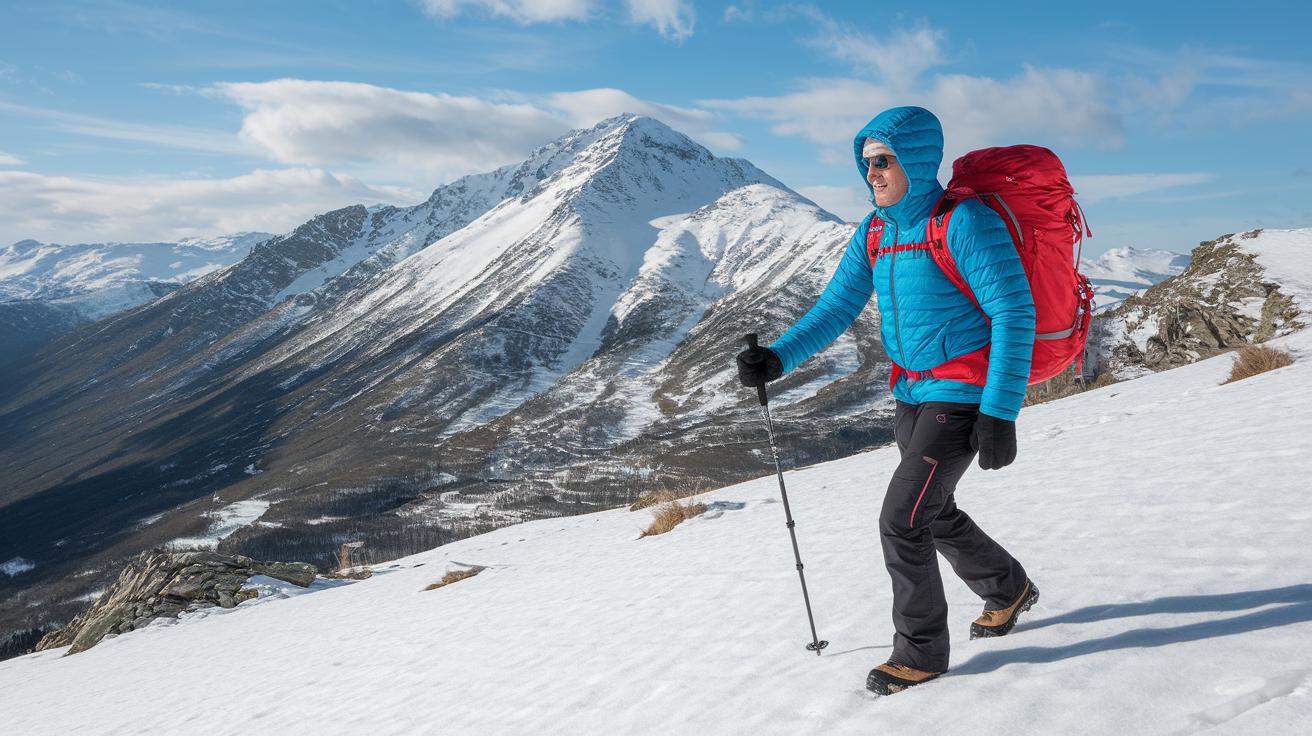
When you head out into the cold, the key to staying warm and dry is a four-layer system that works like a well-oiled machine. Start with a base layer made of merino wool or a synthetic fabric, not cotton, designed to pull sweat away from your skin like a gentle sponge, keeping you comfy on those tough climbs.
Next, add a cozy mid-layer such as a microgrid fleece or a snug synthetic insulation that traps your natural heat while allowing a bit of excess warmth to slip away when you pick up the pace.
Then, throw on an insulation layer with a down or synthetic puffy jacket. This extra boost of heat acts like an airbag of warmth when the wind starts to bite.
Finish your outfit with a waterproof, windproof, and breathable outer shell that shields you from snowy gusts. Just remember: too many layers can make you overheat and sweat, and too few might leave you cold. Adjust your layers based on how active you are and what the weather throws at you.
Winter Hiking Gear Footwear and Traction Essentials
When you're heading out on frosty trails, nothing beats a solid pair of waterproof boots. They not only keep your feet dry when the weather gets wintry but also help keep you warm. Pick a pair that has enough space for thick, cozy socks so you don’t feel squished. Trust me, having room makes all the difference and means every step feels just right.
Getting the right fit is key. Make sure your boots can wrap around your feet comfortably, even with performance hiking socks that wick away moisture and cushion your feet on rough ground. These socks work great with rugged shoes that are built for icy paths, keeping you feeling comfy after hours on the trail.
When it comes to grip, a little extra help goes a long way. For extra traction on slippery spots, think about using devices like Kahtoola MICROspikes. They really boost your confidence on icy patches. And when you're walking on deep, soft snow, L.L.Bean Winter Walker snowshoes can make a big difference by evenly spreading your weight, so you don’t tire out too quickly.
Good snow footwear can be your best friend against harsh elements. Pairing trusty boots with the right socks and traction tools ensures you stay safe while enjoying the beauty and thrill of winter hikes. It’s like having a little force field against the cold and slippery surfaces!
So, if you want your winter adventures to be as enjoyable as they are safe, invest in quality footwear and smart gear. Every careful step helps turn a chilly challenge into a memorable, fun outing.
Extremity Protection: Winter Hiking Gear Accessories
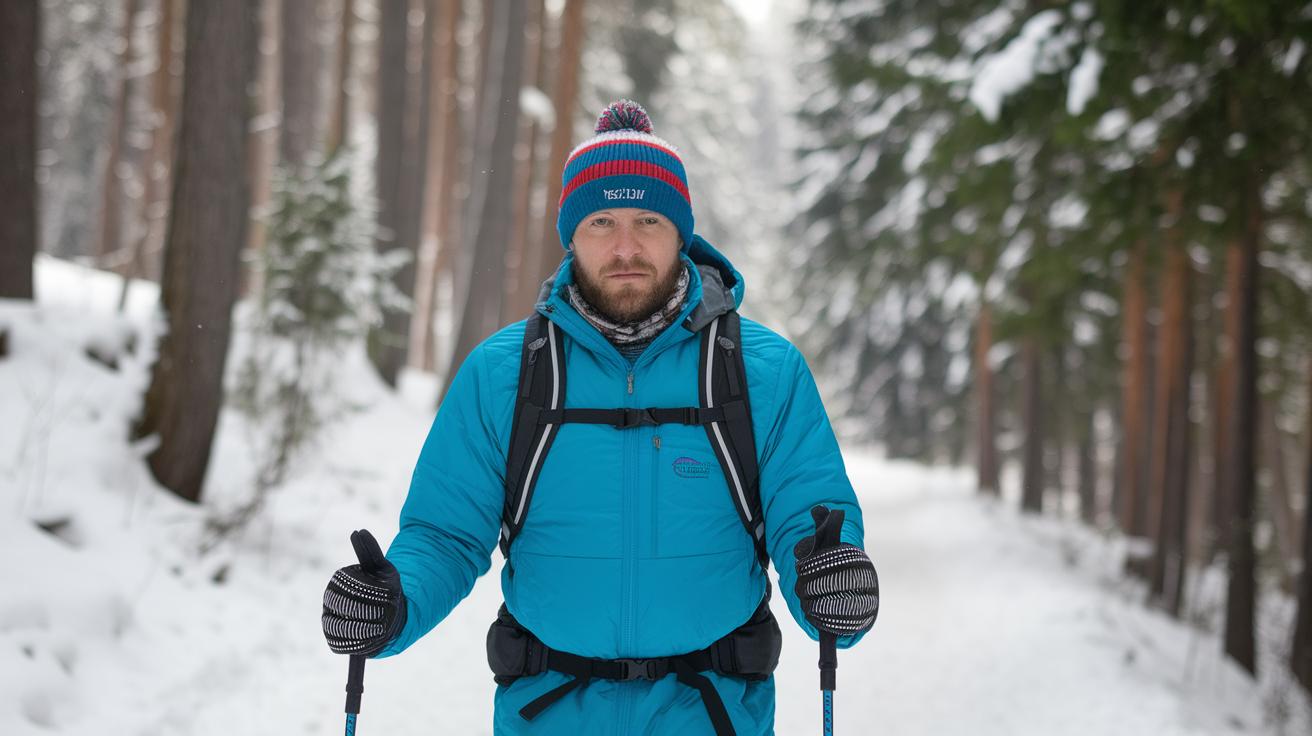
When you're out on a chilly trail, every little gear choice can make a big difference. We've got some friendly tips to help you stay cozy and focused on your adventure.
Don’t forget your hat. A snug insulated beanie feels like a warm hug for your head, keeping that biting chill at bay. Picture it: the moment you put on your beanie, it's like a gentle embrace that wards off the winter cold.
Your neck deserves some love too. Try out a thermal gaiter or an adjustable buff that acts as a soft shield against sharp, cold winds.
Keep your hands happy with gear that blends warmth with ease of use. Whether it's Outdoor Research Vigor Heavyweight Sensor Gloves, Gripper Convertible Windbloc Mittens, or Black Diamond Mercury Mittens, you’ll find that each option lets you move freely while staying toasty. And if you're planning a long day out, toss in a few hand and toe warmers for that extra touch of comfort.
Lastly, think about your feet. Performance hiking socks like the Darn Tough Hiker Micro Crew Cushion work hard to manage moisture and deliver the cushioning you need on icy trails.
Essential Tools and Safety Equipment in Winter Hiking Gear
When you're heading out into a snowy landscape, the right gear can really boost your confidence. A solid pair of trekking poles with snow baskets, think models like the REI Co-op Flash Carbon or Cascade Mountain Tech, helps keep you steady on slippery paths. It’s like having a friend who’s there to keep you balanced.
And then there’s the peace of mind you get from an emergency beacon, such as the Garmin inReach Mini. This little gadget will send your location to help guides if you find yourself in a tough spot. Ever notice that knowing help is close by makes the cold feel friendlier?
Lighting up your path is just as important. A headlamp like the Petzl Actik Core brightens up those long, dark winter days with a clear, crisp beam. It’s amazing how a little light can make a big difference in low-light conditions.
A small first aid kit loaded with essentials like Leukotape and KT Tape is a must. It lets you handle minor scrapes or strains quickly, so you can get back to enjoying the adventure. And when it comes to finding your way, having AllTrails+ offline maps along with a paper map and compass keeps you on track, even when your phone’s service drops off.
Don’t forget those smart emergency tools, too. A trusty Swiss Army knife can help with everyday fixes, while a fire starter, such as the Mag Strike or waterproof matches, and a rescue whistle are lifesavers in unexpected moments.
| Tool | Purpose |
|---|---|
| Trekking Poles with Snow Baskets | Keep you steady on icy and snowy trails |
| Emergency Beacon (Garmin inReach Mini) | Sends your location in case of trouble |
| Headlamp (Petzl Actik Core) | Brightens dark paths and low-light areas |
| First Aid Kit (Leukotape, KT Tape) | Helps manage small injuries on the go |
| Navigation Tools | Use AllTrails+ offline maps, paper map, and compass to stay on course |
| Swiss Army Knife | Useful for minor repairs and everyday tasks |
| Fire Starter (Mag Strike, waterproof matches) | Helps start a fire quickly in emergencies |
| Rescue Whistle | Signals for help when needed |
Take a moment to check your equipment before each trip. With the right tools at hand, every snowy adventure feels a lot safer and even more fun.
Packing and Planning with Winter Hiking Gear
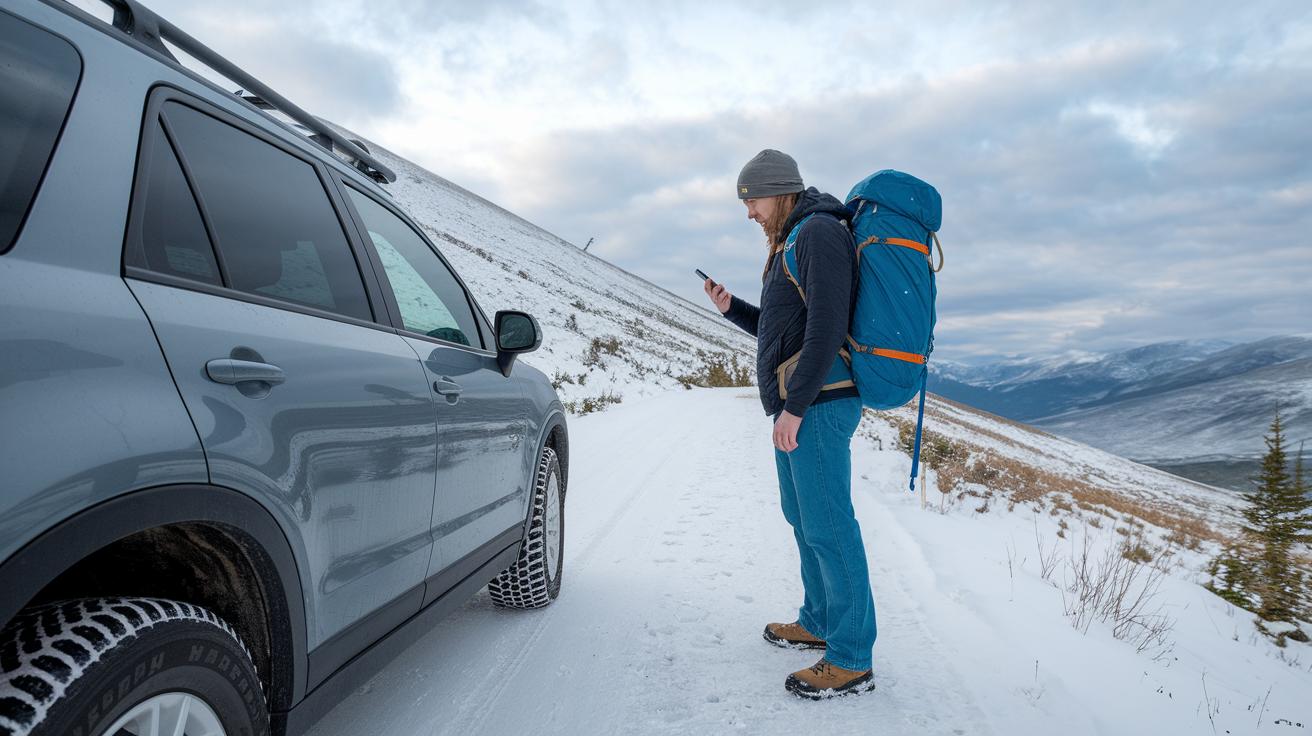
Before heading out, check the weather and trail conditions to help you choose the best route for the day. A quick glance at the forecast lets you set a strict turnaround time so you can be safe as the light fades.
Next, make sure your vehicle is ready. Fill up your gas tank and equip your car with snow tires or chains if needed. Knowing how to install them can really save you time and stress when things get unexpectedly tricky.
Your backpack should be as dependable as you are. Consider options like the Osprey Hikelite 18 or 26L with a rain cover, or simply use a waterproof pack cover to keep your gear dry. Don’t forget to pack an insulated bottle, like a Hydro Flask, to stay hydrated and avoid tapping into frozen water sources.
Keep your electronics snug. Store your devices and spare batteries in an inside pocket to shield them from the cold, and carry a portable charger as a backup. Be sure to pack plenty of snacks and extra food so you can refuel during short breaks to maintain your energy and body warmth.
| Tip | What to Do |
|---|---|
| Weather Check | Review conditions and set a strict turnaround time |
| Vehicle Prep | Fill up on gas and equip with snow tires or chains |
| Backpack | Choose a waterproof option or an Osprey Hikelite with a rain cover |
| Hydration | Use an insulated bottle and avoid potentially frozen sources |
| Electronics | Keep devices and spare batteries in a warm spot, with a portable charger handy |
| Nutrition | Bring extra snacks and food, planning for short, energizing breaks |
Final Words
In the action, this article broke down the must-have winter hiking gear essentials. We covered everything from layered clothing and waterproof boots to accessories that keep you warm and safe on icy paths. You read about handling both moderate conditions and challenging cold, with detailed insights for safe and informed planning. Every tip was aimed at making your cold-weather treks as smooth as possible. Embrace your next cold-day adventure with confidence and a well-prepared kit.
FAQ
Q: What constitutes the best winter hiking gear?
A: The best winter hiking gear includes a complete layered clothing system, waterproof boots, essential accessories, and safety tools, ensuring comfort, performance, and protection in cold weather conditions.
Q: What should beginners consider when choosing winter hiking gear?
A: The winter hiking for beginners gear emphasizes proper layering, waterproof footwear, and basic safety items along with weather and trail assessments to build confidence on cold treks.
Q: What are recommended winter hiking outfits for ladies and men?
A: The winter hiking outfits for ladies and mens winter hiking gear feature moisture-wicking base layers, insulated mid-layers, and waterproof outer shells, all offering a comfortable and secure fit tailored for each body type.
Q: What features make winter hiking boots and shoes effective?
A: The winter hiking boots and shoes are designed to be waterproof and provide optimal traction, with snug fits for insulating socks, ensuring stability and warmth on icy and snowy terrains.
Q: What should I look for in winter hiking pants?
A: The winter hiking pants should be waterproof and breathable with sufficient insulation, designed to keep you warm without restricting movement during cold weather treks.