

Ever wonder if the style of the roaring twenties still makes a statement today? When Prohibition hit, secret bars came alive with jazzy tunes and hidden charm, inspiring outfits that mixed boldness with cozy comfort.
Imagine stepping into a secret speakeasy where every look shouts rebellion and free-spirited fun. In a time when everyone tossed the rulebook aside, clothes turned into a way to express pure joy and individuality.
This blog takes a friendly dive into how those daring choices continue to influence our style, blending timeless charm with a playful sprinkle of flair.
Key Trends and Cultural Influences in 1920s Fashion
During Prohibition, everything shifted. Nightlife got a fresh, bold vibe thanks to hidden speakeasies that defied liquor laws. People started dressing in ways that mixed a bit of rebellion with a touch of class. Imagine stepping into a secret bar in New York, where crisp, well-cut suits and simple yet stylish dresses replaced the old formal wear, each look celebrating the decade’s daring spirit.
At the same time, jazz took center stage and brought an exciting energy to fashion. Big names like Duke Ellington and shows like Runnin’ Wild inspired a blend of elegance and boldness. Dance crazes such as the Charleston needed outfits that let you move easily and look great, so designers experimented with fun cuts and unexpected details. Picture a sparkly beaded dress with playful fringe shimmering under the low lights of a jazz club, truly capturing the magic of the Jazz Age.
All these cultural trends combined to launch a style revolution in the roaring twenties. The mix of secret speakeasy chic, energetic jazz rhythms, and the creative flair of the Harlem Renaissance led to innovative silhouettes and bold fabric choices. Creative partnerships, like Suzanne Lenglen’s collaboration with Lucien Lelong, showed that comfort and glamour could go hand in hand. The decade turned traditional dress codes on their head, transforming them into a lively celebration of artistry and life.
Iconic Silhouettes and Women’s Attire in 1920s Fashion
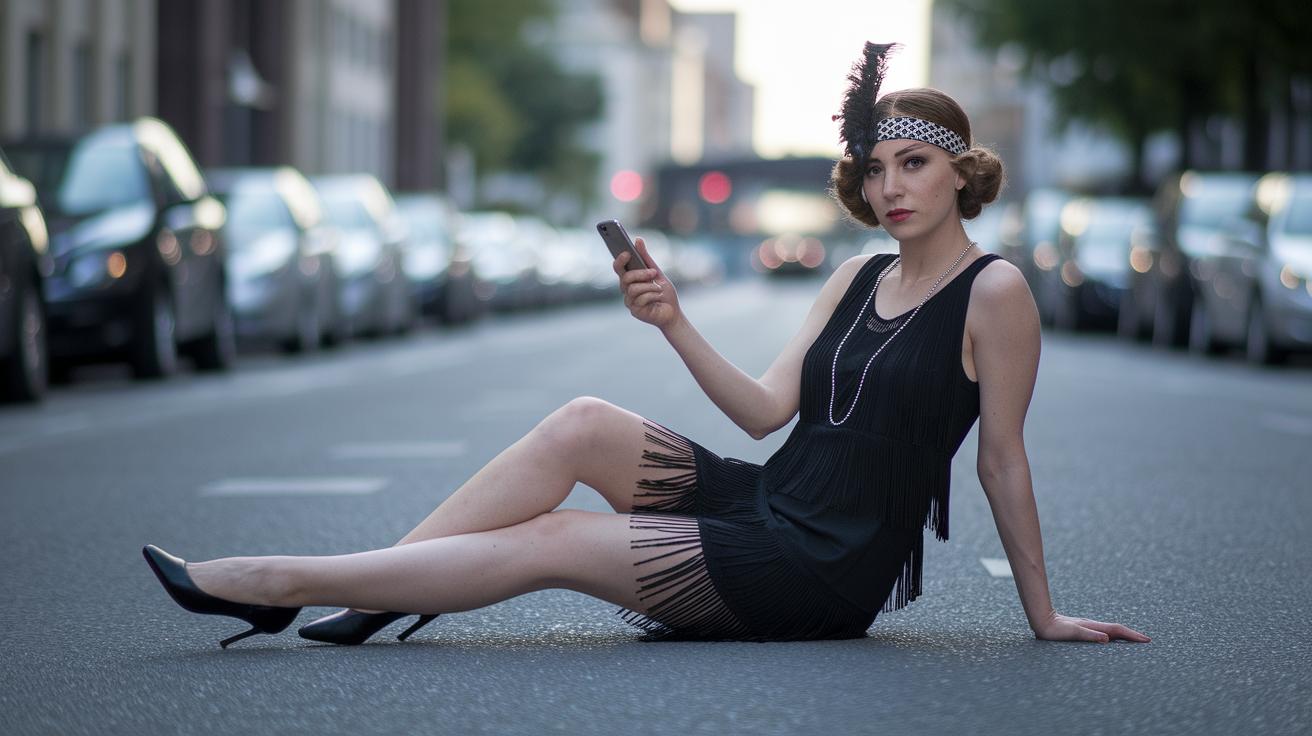
Back in the 1920s, fashion took a big, welcome turn. Women said goodbye to those tight, corseted looks and hello to more comfortable, free-cut dresses. Think of it like swapping a stiff suit for a cozy, relaxed outfit that still looks sharp and elegant. The era was all about comfort and self-expression, letting every woman show off her unique style with ease.
| Silhouette | Description | Example |
|---|---|---|
| Flapper Shift | Straight cut with a dropped waist | Beaded evening dress |
| Robe de Style | Fitted bodice paired with a full skirt | Romantic tea gown |
| La Garçonne | A touch of androgyny in its drape | Tomboy-inspired daywear |
| Little Black Dress | Sleek, simple sheath that’s really versatile | Chanel LBD |
Tailoring took on a new vibe during the twenties too. Designers played around with bias cuts and light fabrics like silk that flowed naturally with the body. Gone were the days of heavy, layered styles. Instead, soft drapes and unstructured linings let dresses move beautifully with every step. This change boosted both comfort and elegance, marking a shift from rigid corsets to designs that felt as dynamic as they were stylish. Every cut and stitch was a little nod to the evolving social scene, blending practicality with a refined sense of charm.
Leading Designers and Influential Style Icons of 1920s Fashion
In the 1920s, top couture houses set trends that still wow us today. Trailblazers like Gabrielle Chanel, Elsa Schiaparelli, Jeanne Lanvin, and Madeleine Vionnet reshaped how clothes were made. They moved away from stiff, structured looks and introduced softer, flowing designs that reflected changing lifestyles.
Sports and a touch of royalty also added a fun twist to the era. Take Suzanne Lenglen, for instance. This sports star brought tennis fashion into the spotlight by mixing comfort and style. And then there was Prince Edward VIII. His love for two-piece suits and roomy Oxford Bags brought a fresh, sophisticated flair to men’s clothes.
Movies played a big role in making 1920s fashion a hit with everyone. Films like The Great Gatsby showed off the bold style of flappers, with daring cuts and lush details that captured the spirit of the time. This on-screen magic helped turn high fashion into a look that people could embrace every day.
Period Accessory Trends in 1920s Fashion: Hats, Jewelry, and Beyond
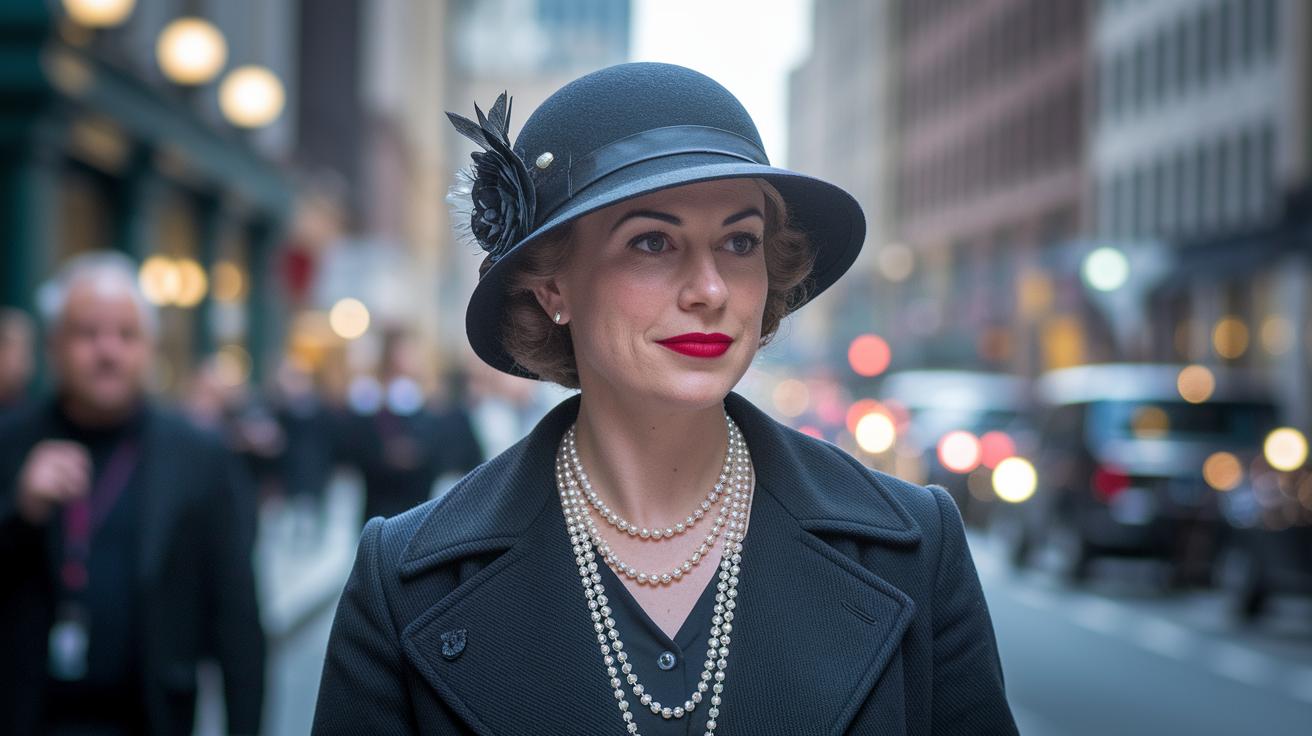
The 1920s was a stylish period where accessories played as big a role as the clothes themselves. Cloche hats, which fit snugly along the brow line, quickly became a go-to for anyone looking to look chic and add a touch of cool elegance. Jewelry of that era was no less impressive, think long pearl strands, pretty drop earrings, and bold geometric Art Deco brooches that gave any outfit a splash of personality. Imagine stepping out with a sleek cloche hat and a sparkling pearl necklace; each accessory was a small yet powerful expression of a carefree but polished vibe.
Everyday hair and makeup trends also got a major upgrade. Finger-wave hairstyles softly curled around the face, highlighting natural beauty like never before. A pop of bold red lipstick brought an instant lift to even the simplest look. And, of course, flapper hair accessories, beaded and feathered, added just the right mix of playfulness and drama for those nights out. Each detail, carefully picked, brought everything together in a look that was practical yet full of theatrical charm.
- Cloche hat
- Pearl necklace
- Geometric earrings
- Feather headband
- Mary Jane heels
- Finger-wave styling
1920s fashion: Timeless Charm and Flair
Back in the twenties, Savile Row was the go-to spot for fresh ideas in men's tailoring. The switch from three-piece to two-piece suits brought a relaxed elegance, and men started choosing sleeker, less bulky designs that still looked really smart. Classic touches like pinstripes, tweeds, and flannels added a rich texture to both formal wear and everyday outfits. Picture yourself in a well-fitted two-piece suit that lets you move easily while keeping you sharp, it was just right for an era that needed both style and functionality.
Sports influences and a hint of gangster flair added even more excitement to men’s fashion. Oxford Bags, those wide-leg trousers made for sports like golf, quickly became a favorite. Plus-fours pushed casual menswear into playful territory, keeping things stylish yet down-to-earth. And with slim ties and bowler hats with a modern twist, the daring spirit of the roaring twenties really shone through. It was a time when a bit of boldness in your look spoke volumes about your personality and confidence.
Finishing touches came from the right footwear and accessories. Dark leather Oxfords and spectator shoes were the top choices for men who wanted durability without sacrificing a sleek style. Paired with meticulously picked ties and subtle cuff details, these shoes rounded off outfits that worked just as well for busy mornings as they did for late-night adventures. Every element, from the fabric of the suit to the design of the shoes, came together to create a look that was both polished and comfortable, leaving a legacy that still influences vintage menswear today.
Evening Wear and Party Ensembles of 1920s Fashion
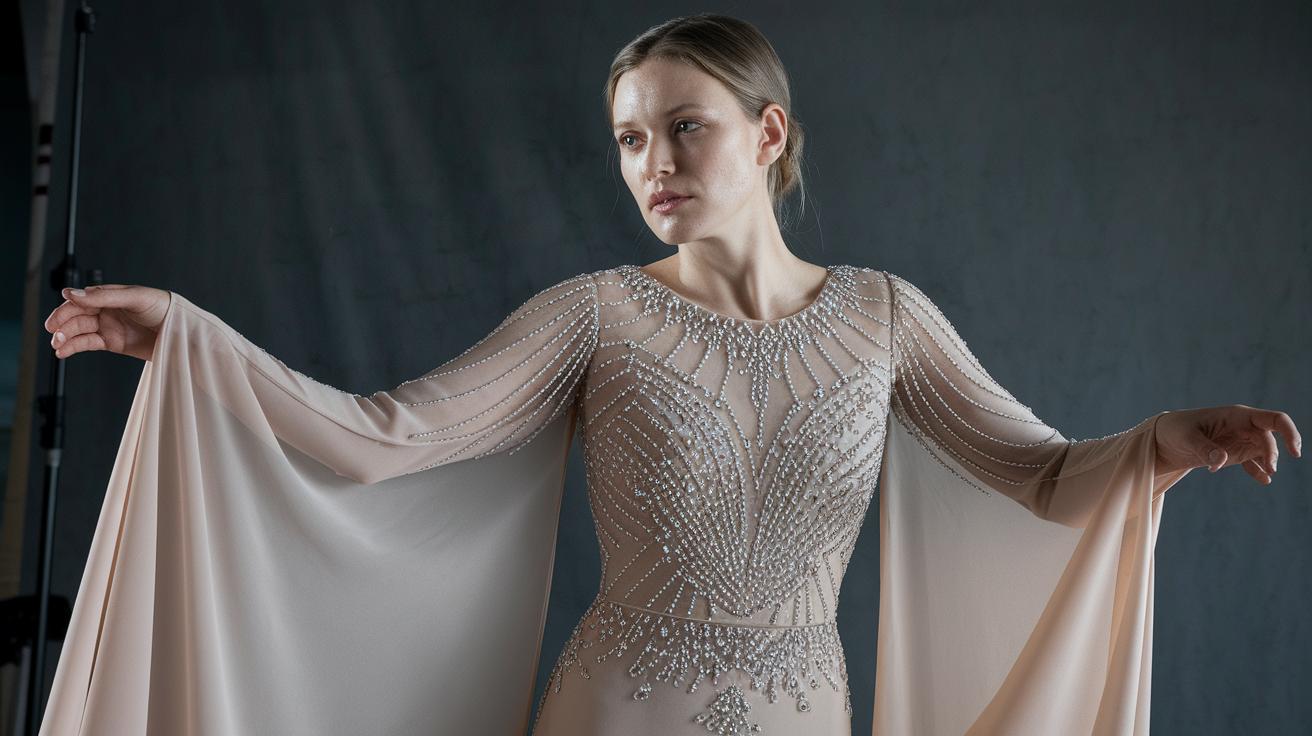
Each gown was a true work of art, crafted with care and unique style that set it apart from earlier fashions. Skilled hands layered silky fabrics like chiffon and silk, adding delicate beads and glittering threads that caught the light in new and exciting ways. Imagine a dress where every little bead sparkles like its own masterpiece. The precise stitching made these dresses feel airy, elegant, and perfect for a sophisticated evening out.
New silhouettes gave cocktail attire an exciting twist. The Little Black Dress became a chameleon, easily shifting from daywear to an evening standout, while formal Robe de Style designs featured gently cinched waists and fuller skirts that balanced structure with a touch of soft drama. Each design played with fresh ideas, nodding to classic styles without simply repeating them.
Thoughtfully chosen accessories completed these looks with flair. Long pearl tassels swayed gracefully with every move, and closed-toe heels offered both comfort and a dash of shimmer. Picture yourself stepping out in heels so finely crafted that every step feels confident and unforgettable. These added details brought a distinct charm to the whole outfit.
Art Deco and Decorative Techniques in 1920s Garment Design
Back in the 1920s, Art Deco influences were all over the place. Designers loved mixing in bold geometric shapes like chevrons, sunbursts, and zigzags to add a punch to their fabric prints. Think of printed silks and light layers of chiffon that made every outfit look dynamic and full of energy. And then there was metallic thread embroidery, it carved out drop-waist silhouettes and let off just the right hint of shimmer. Imagine a gown where the metallic detailing wraps gently around the waist, creating soft contrasts that capture the lively feel of the era.
Around the same time, boutique dress makers took a creative leap with unexpected, one-of-a-kind cuts. They experimented with off-center lines and quirky shapes that stepped away from old-fashioned tailoring. Designers chose patterns with unique architectural details that added extra texture and surprise to vintage fabrics. Picture a dress made with layered, uneven panels and striking prints, turning the garment into a little piece of art that blends classic Art Deco style with inventive, hands-on design.
The Legacy of 1920s Fashion: Modern Reinterpretations and Revival
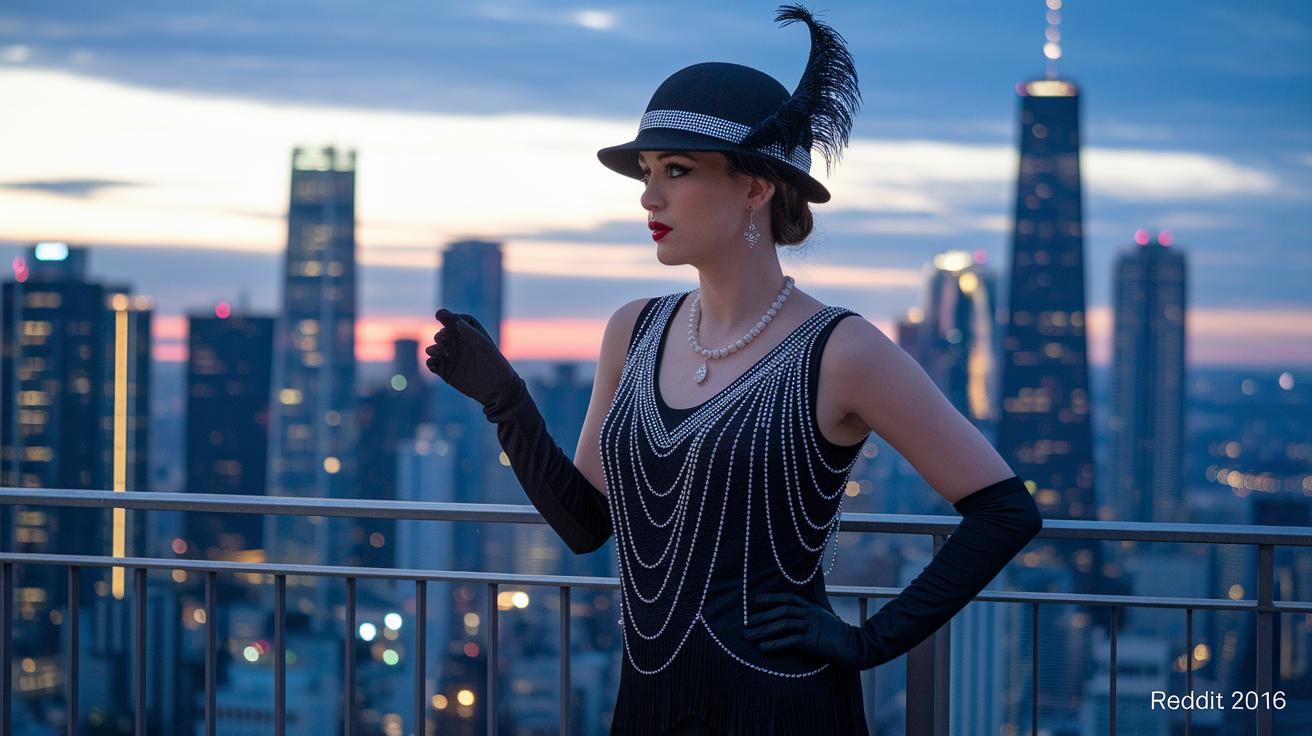
High-fashion designers are giving the vintage glamour of the twenties a fresh twist. They’re taking classic drop-waist styles and delicate beadwork and reimagining them with modern flair. On the runway, you'll see clever nods to cloche hats and finger-wave hairstyles that instantly whisk you back to a more elegant time. It’s like a modern flapper dress, each piece honors the detailed charm of the past while fitting perfectly into today’s style scene.
Shoppers are feeling the vibe too. Trendy vintage stores and boutique streetwear brands are mixing Art Deco prints with shiny metallic accents, adding a touch of history to urban looks. Revival events and themed parties have become favorite spots for anyone wanting to experience authentic retro style with a playful twist. The ongoing love for these timeless details shows that the exuberance and refined style of the twenties still have a magical pull on us all.
Final Words
In the action, we examined how Prohibition changed dress codes and how lively jazz and theater brought bold cuts and unexpected details. We saw iconic silhouettes, from flapper dresses to refined menswear, and uncovered how accessories and Art Deco details set the scene.
Each segment highlighted the cultural shifts that sparked a style revolution. The creativity of the era still inspires today’s fashion, proving that 1920s fashion remains a vibrant influence on modern trends.
FAQ
Q: What does 1920s fashion for men mean?
A: The query about 1920s fashion for men reflects the era’s shift from formal three-piece suits to looser, stylish two-piece suits, with pinstripes, tweed fabrics, and smart accessories that balanced formality with casual flair.
Q: How did 1920s women’s fashion evolve for various styles and sizes?
A: The query on 1920s women’s fashion shows a move from tight corsets to looser cuts, with designs for both formal events and casual wear. Women embraced versatile looks that also catered to plus-size figures.
Q: What defines the flapper and Great Gatsby style in the 1920s?
A: The query on the flapper and Great Gatsby style highlights bold, beaded dresses, loose silhouettes, and daring accessories that captured the spirited, free attitude of the era, perfect for both day and night.
Q: What characterizes 1920s fashion hair?
A: The query on 1920s fashion hair refers to iconic styles like flawlessly sculpted finger waves and bob cuts, crafted to frame the face perfectly and add a refined touch to every look.
Q: What was popular fashion in the 1920s?
A: The query on popular 1920s fashion points to expressive silhouettes, striking accessories, and a blend of classic restrictions with newfound freedom, favoring styles that mixed comfort with visual impact.
Q: How should I dress for a 1920s party?
A: The query on dressing for a 1920s party suggests wearing period-specific outfits—like drop-waist dresses with beaded detailing and classic accessories—to capture a playful vintage vibe paired with stylish sophistication.
Q: What term described fashionable people in the 1920s?
A: The query on the term for fashionable 1920s individuals highlights that women were often called “flappers” for their liberated style, while men were seen as dapper and modern, reflecting the era’s chic sensibilities.
Q: What was the most popular dress color in the 1920s?
A: The query on the most popular dress color in the 1920s suggests that bold hues, such as deep reds and blues, were favored by those seeking a standout look that amplified the lively spirit of the decade.