

Ever wonder why a look from over 70 years ago still catches your eye today? 1950s fashion has a bold, playful charm that delights and surprises all at once.
After the war, dresses began to twirl and men’s suits took on a sleeker, modern vibe. Designers crafted shapes that hugged the body and hinted at a more relaxed, fun lifestyle. In this post, we explore how those timeless silhouettes still shape our wardrobes, proving that classic style always feels fresh.
1950s fashion Radiates Timeless Style
After World War II, the 1950s burst onto the scene with a fresh, optimistic vibe that completely changed the way people dressed. This was the era when fashion got a makeover, elegant shapes mixed with a playful spirit. In Paris, the fashion world bloomed again, thanks in large part to Dior’s New Look, which loved celebrating the classic hourglass figure as a sign of luxury and femininity. Meanwhile, men started rocking slimmer cuts that felt modern and new. 1950s style was all about balancing formal charm with relaxed ease, and those trends still pop up in wardrobes today. Imagine pairing a cinched waist with a swing dress that has a modern twist, it’s a look that stays timeless while keeping things fun.
- Hourglass silhouette (thanks to Dior’s New Look)
- Swing dresses
- Pencil skirts
- Poodle skirts
- Slim-cut menswear
- Pin-up styling
- Greaser leather
If you’re eyeing a bit of that ’50s magic, try blending vintage pieces with today’s staples. Start with structured garments that highlight the waist, much like Dior’s refined designs. Pair a tailored blazer with a flowing midi skirt to mix retro charm with a modern edge. Add fun accessories, think red lipstick or cat-eye sunglasses, to capture that pin-up spirit, and finish off with a sleek leather jacket if you’re in the mood for a greaser vibe. This mix not only celebrates the elegance of the 1950s but also shows that classic style can still feel fresh and current.
1950s Women's Silhouettes and Signature Dress Styles
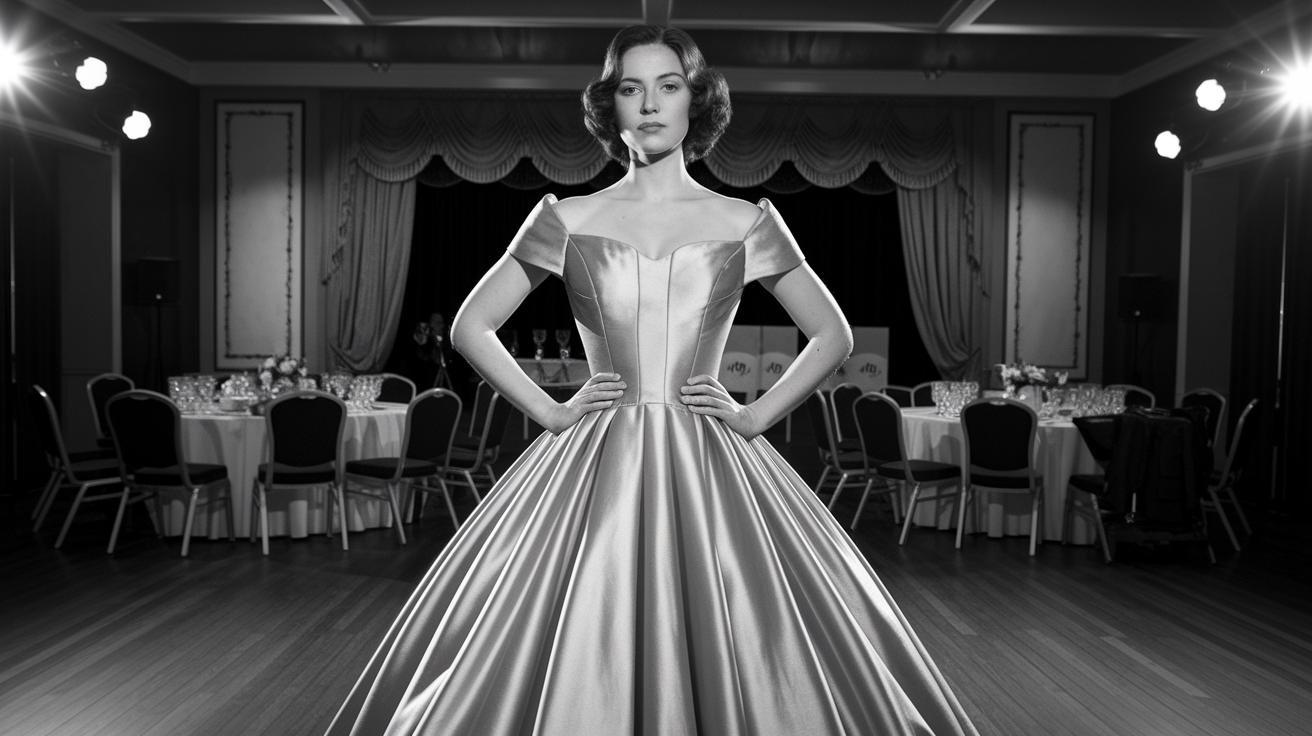
The 1950s brought a mix of class and fun to women's fashion. Designers loved showcasing curves while adding thoughtful details that made each design feel both elegant and playful.
Hourglass New Look:
Dior’s iconic New Look was all about a snug waist paired with a big, flowing skirt. Luxurious fabrics like satin, chiffon, and wool blends made every curve stand out. Imagine stepping into a dress that makes you feel as if you’re gliding on air.
Swing Dresses:
Swing dresses were made for movement. Their full-circle skirts, crafted from taffeta, silk, or cotton, let you twirl with ease. Picture yourself spinning freely in a dress that flares out with each step you take.
Pencil Skirts:
Pencil skirts were a masterclass in simplicity and style. With a straight-line design, they easily moved from day to night, much like Chanel’s modern tweaks. Think of a skirt that carries you effortlessly from a busy afternoon to a chic evening out.
Poodle Skirts:
Poodle skirts captured youthful energy with a fun twist. Featuring felt loops and whimsical motifs, they brought a playful, quirky edge that perfectly matched the upbeat teen style of the time. Imagine a skirt that echoes the charm of carefree dances and vintage fun.
| Silhouette | Key Features | Popular Fabrics |
|---|---|---|
| Hourglass New Look | Cinched waist, full skirt, luxurious details | Satin, Chiffon, Wool blends |
| Swing Dresses | Full-circle skirt, fluid movement, lively patterns | Taffeta, Silk, Cotton |
| Pencil Skirts | Sleek design, smooth transition from day to night | Tweed, Jersey, Linen |
| Poodle Skirts | Felt loops, playful motifs, youthful spirit | Felt, Cotton blends |
1950s Men's Classic Suiting and Casual Wardrobe
In the 1950s, men's formal clothes got a serious upgrade. The New Edwardian style was all the rage, with slim three-piece suits and single-breasted jackets making every outfit look sharp. Picture a suit that hugs a slim waist and highlights solid shoulders, a perfect pick for both boardrooms and evening events. It combined classic design with a modern twist, giving off a vibe of confident restraint.
On the flip side, everyday workwear and casual pieces brought a laid-back feel to men's style. Wool trousers and plaid flannel shirts offered a tough yet comfy look for daily wear, while denim was just starting to find its place in casual wardrobes. Imagine slipping into a favorite pair of jeans teamed with a well-loved shirt, a look that was durable, stylish, and effortlessly cool.
Then there were the greasers, who took style to the next level with their rebellious spirit. Sporting black leather jackets, cuffed jeans, and a bold, well-shaped pompadour, they turned everyday outfits into a statement of youthful defiance.
1950s Accessory Trends, Hairstyles, and Beauty Looks
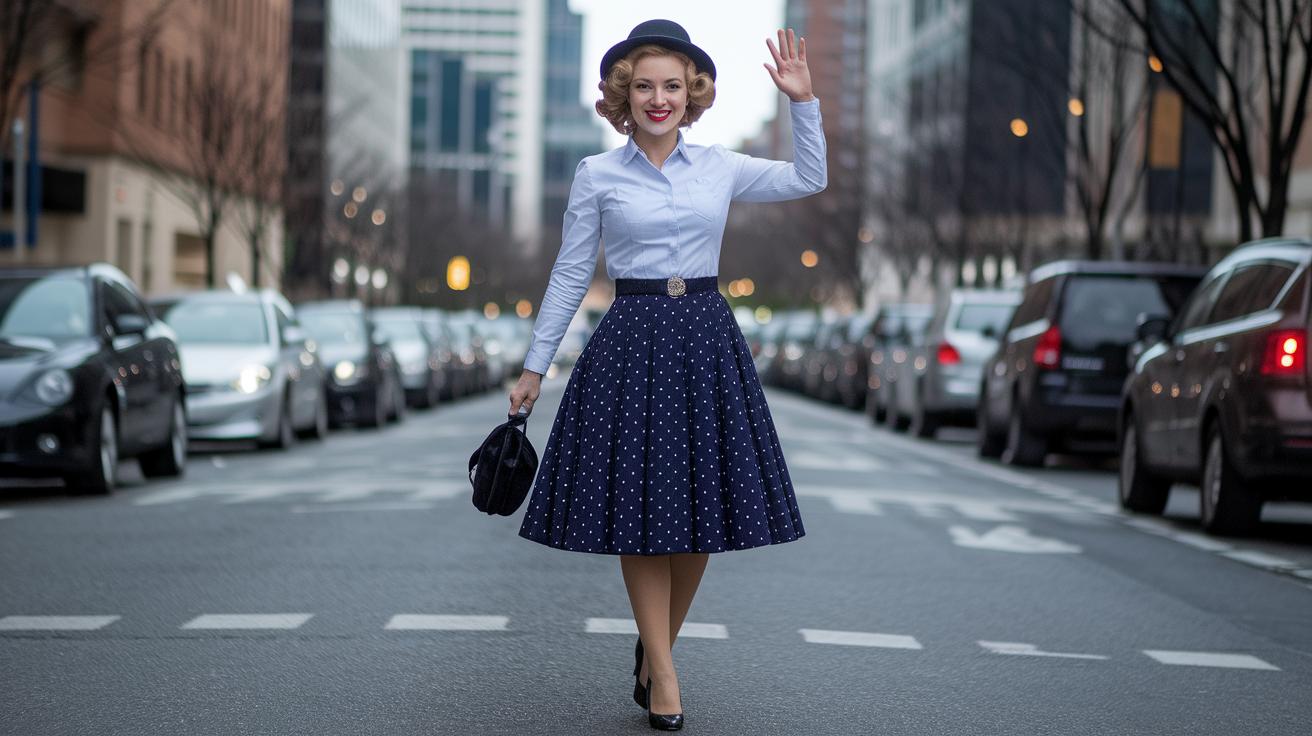
In the 1950s, every step and head turn was a chance to shine. Shoes like stilettos and slender heels didn't just get you from point A to point B, they were bold accessories that made any outfit pop. And then there were the hats. Pillbox and wide brim hats added a dash of drama and charm to any polished look. Imagine a bright day where a pair of sleek, shiny heels and a stylish hat take center stage.
Hairstyles were a big deal back then. Victory rolls and Marcel waves turned everyday hair into art. Victory rolls framed the face with a playful burst of confidence, while Marcel waves brought soft, flowing curves reminiscent of classic cinema. Iconic actresses often rocked these signature styles on the red carpet, showing that the right hairdo could completely transform a look.
Makeup in the 1950s tied everything together. A sleek flick of winged eyeliner defined the eyes, vibrant red lips added a pop of color, and a touch of blush gave a natural glow. Each detail worked together to create the timeless allure of the era.
1950s Subculture Styles: Rockabilly, Pinup, and Greasers
The 1950s were all about mixing refined glamour with a spark of youthful rebellion that changed fashion as we knew it. Teens started setting trends at dance halls and parties by blending bold statements with playful details. It was a time when people said goodbye to stiff, old-fashioned clothes and welcomed styles that were fun and full of life.
Rockabilly and pinup styles quickly became the go-to looks for those wanting to show off a rebellious spirit and creative flair. Rockabilly fans loved pairing sturdy denim with rugged leather jackets for a carefree, rule-breaking vibe. On the other hand, pinup enthusiasts chose snug bodices and fun prints that brought a flirty, charming twist to their outfits. These looks were made for dancing and having a great time, perfectly matching the buzzing energy of night spots. By mixing tough textures with soft, delicate details, these styles managed to balance bold strength with feminine grace, a blend that still inspires modern fashion.
Greasers, meanwhile, kept things simple but made a big impression. Sporting black leather jackets, cuffed jeans, and their famous pompadour hairstyles, they carved out a look that was unmistakably cool for classic diner hangouts and late-night cruises. Cool, daring, and perfectly memorable.
1950s Fabric Choices, Pattern Inspirations, and Color Palettes
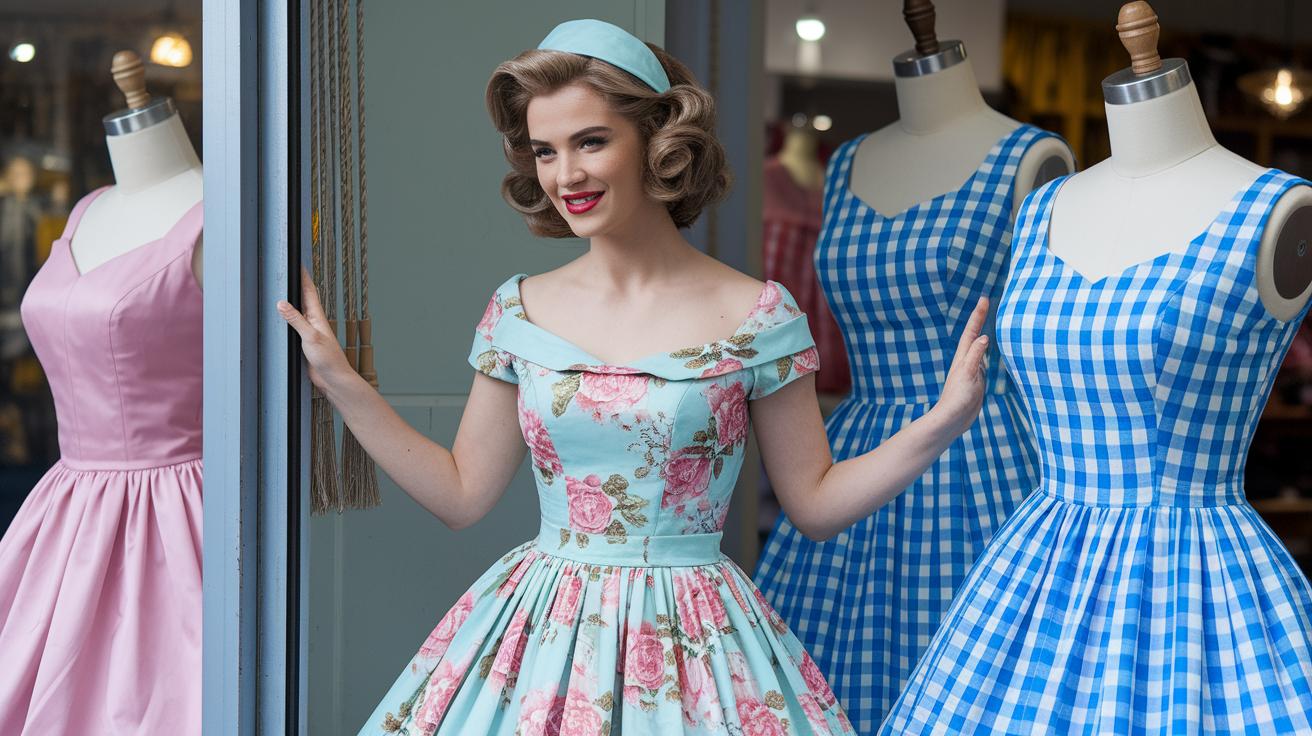
During the 1950s, a fresh wave of fabric innovation changed the game. When wartime brought rayon and nylon into the spotlight, these new fibers made it easier and cheaper to produce strong, stylish clothes. That meant more people could enjoy fashionable outfits without paying a fortune.
Prints were a big deal back then, too. Imagine cheerful cotton gingham, playful polka dots, and bright floral patterns gracing everything from everyday blouses to special dresses. These designs brought a lively, fun feel to every piece, almost like a splash of joy in each outfit.
And the colors? They really set the mood. Soft pastels mixed with bold primary hues transformed simple clothing into art. Even denim, once just tough workwear, evolved into a favorite casual style. This mix of fabrics, prints, and colors gave the 1950s its unique blend of classic style and energetic new vibes.
1950s Fashion Designers and Cultural Influences
In the wake of World War II, Christian Dior’s New Look took center stage and made Paris the ultimate hub for stylish clothes. His designs, featuring soft cinched waists and full, flowing skirts, brought back the love for luxurious fashion after years of hard times. It was a fresh breath of elegance that captured hearts everywhere.
Designers like Balenciaga, Givenchy, and Balmain also made their mark during this exciting era. Balenciaga played with structured, almost artistic shapes while Givenchy blended sophistication with an easy charm. And Balmain? They rethought tailoring to create looks that worked equally well at fancy events and in daily life. Each designer added their own twist, ensuring that the essence of style was both beautiful and practical.
Film and royal events further fanned the flames of these trends. Audrey Hepburn, with her unforgettable look in Roman Holiday, showed us how movies could shape style with effortless grace. At the same time, Queen Elizabeth II’s 1953 coronation, highlighted by Norman Hartnell’s stunning design, mixed royal tradition with a modern touch. These moments remind us that style is a language everyone can understand, even today.
Final Words
In the action, we explored the vibrant world of iconic styles, from the signature hourglass silhouettes to the crisp lines of classic menswear and standout accessories that defined an era. We dove into fabric choices, bold prints, and cultural influences that shaped a style movement echoing through modern trends. Each element captured the spirit of 1950s fashion in a fresh and approachable way. Embracing these looks brings a sense of excitement and confidence to every purchase, so go ahead and enjoy a shopping experience that feels both timeless and inviting.
FAQ
What defined 1950s men’s fashion?
1950s men’s fashion featured slim-cut suits, workwear details, and greaser-inspired leather jackets, blending structured tailoring with youthful, relaxed style.
What defined 1950s women’s fashion?
1950s women’s fashion was marked by feminine silhouettes like the hourglass figure with cinched waists and full skirts, paired with playful accessories that echoed post-war optimism.
What characterized 1950s fashion for boys?
1950s fashion for boys mixed scaled-down versions of adult styles with crisp shirts and ties, creating a youthful charm that mirrored the era’s broader trends.
How were 1950s fashion trends shaped?
1950s fashion trends emerged from a post-war revival that introduced swing dresses, pencil skirts, and rockabilly influences, combining classic elegance with emerging subculture flair.
How do 1950s fashion pictures capture the era?
1950s fashion pictures capture the era’s blend of post-war refinement and energetic youth culture, showcasing structured silhouettes, vibrant prints, and timeless accessories.
How did the “dress to impress” style work in the 1950s?
The 1950s “dress to impress” style relied on polished, tailored outfits with sophisticated cuts and refined details, turning everyday wear into statements of elegance and confidence.
What defined 1950s fashion for Black women?
1950s fashion for Black women embraced stylish, vibrant outfits with modest cuts and bold prints, reflecting creativity and individuality within the decade’s evolving aesthetic.
What type of clothing was popular in the 1950s?
Popular clothing in the 1950s included fitted suits, cinched waists, full skirts, and practical workwear that combined traditional craftsmanship with emerging, modern trends.
What should a woman wear to a 1950s-themed party?
For a 1950s-themed party, a woman should choose a swing or poodle skirt, pencil skirt, or similar vintage-inspired dress, complemented by classic accessories and retro makeup.
What defined the overall 1950s style?
The overall 1950s style merged structured tailoring, feminine silhouettes, and youthful subculture influences, creating an era that celebrated timeless elegance alongside fresh, innovative trends.
What was the biggest fad of the 1950s?
The biggest fad of the 1950s was the poodle skirt, which became an iconic symbol of teen fashion with its playful design and effortlessly stylish appeal.