

Have you ever wondered how strong your camping gear should be? Imagine having a sturdy axe that turns a chilly night by the campfire into a breeze instead of a hassle.
In this friendly guide, we explore a few top models that mix built-to-last toughness with spot-on precision. These axes aren’t just for chopping or carving, they’re also great for a bit of fun axe throwing.
Get ready to discover the champions of outdoor durability that work hard so you can relax and enjoy every moment outside.
Best Camping Axes of 2025: Expert Reviews and Ratings
Get ready to explore a stellar lineup of top-notch camping axes that make outdoor chopping clear and simple. This year, our favorite wilderness hatchets mix rugged durability with impressive accuracy for splitting, carving, and even a bit of axe throwing fun. You can count on these axes to have your back on every outdoor adventure.
Hults Bruk Kisa really takes the lead, slicing deep 2.5-inch cuts through seasoned walnut and splitting 12-inch maple rounds in just two or three blows. Its sharp precision makes it a top choice for campers who need serious performance. Next up, the Fiskars X11 Splitting Axe stands out with its smart bit geometry, head-biased weight, and a hollow fiberglass handle that gives you amazing swing control. Its design is perfect for both heavy-duty wood splitting and everyday camp chores.
The Husqvarna Hatchet is a solid, practical tool that easily handles 5-inch hardwood rounds, making it a breeze for quick firewood tasks. Over at the Council Tool 28-inch Boy’s Axe, one-piece forged steel and over three years of testing combine to create a tool that can really take the heat. Meanwhile, the Estwing Camper’s Axe offers double-tempered strength with a mirror-polished, overstrike-resistant edge built to withstand even the toughest outdoor work.
For those needing extra precision when carving firewood or setting up shelter supports, the Hults Bruk Almike Hatchet comes factory-sharp and ready to go. Backpackers love the Gransfors Bruk Wildlife Hatchet for its super light 1 lb 6 oz design that helps beat fatigue on long trips, while the Council Tool Flying Fox is a beautifully balanced option ideal for some casual axe throwing. Every model here is crafted with a keen eye for balance, quality materials, and ease of use, the must-haves for any outdoor fan.
Camping Axe Specifications: Weight, Materials, and Design Features
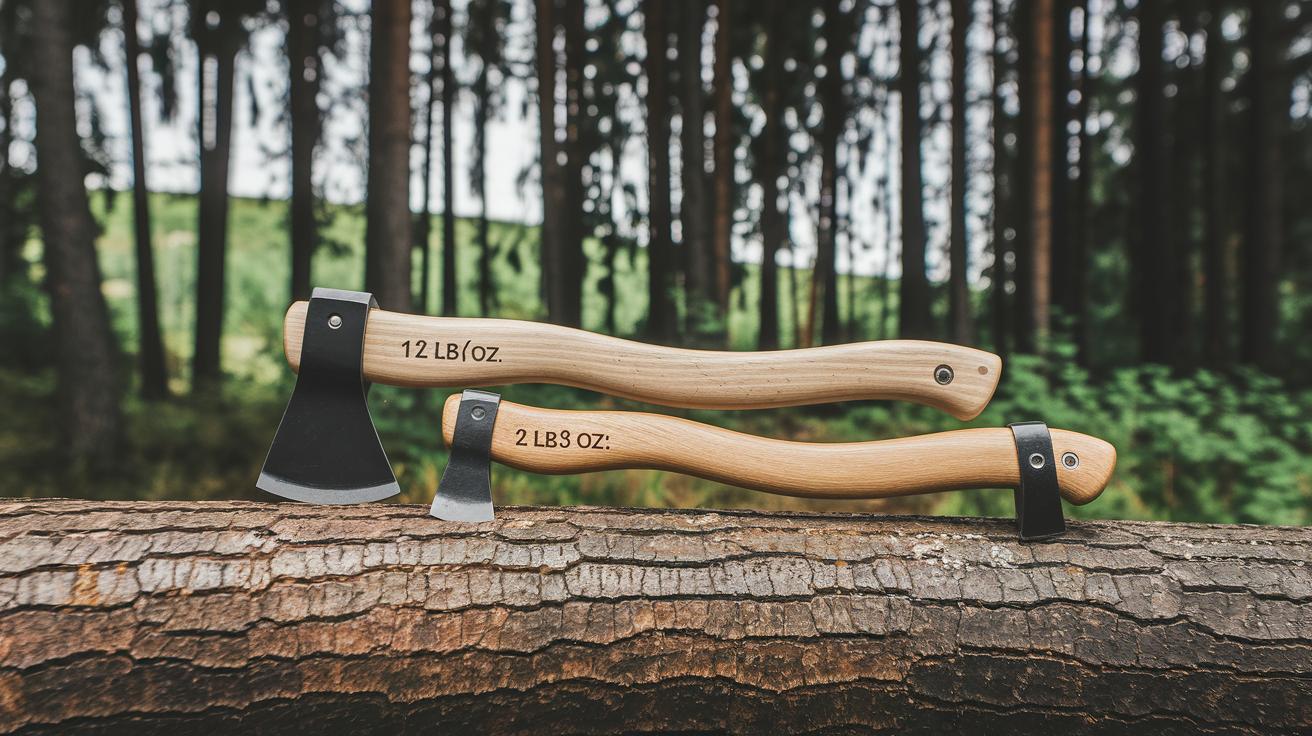
Camping axes come in a variety of weights. Some are super light, like the Gransfors Bruk Wildlife Hatchet at about 1 lb 6 oz, making them perfect for long hikes. On the flip side, heavier options such as the Hults Bruk Almike tip the scales at roughly 2 lb 13 oz, packing extra punch for splitting tougher wood.
The type of steel used in the axe head is key for its durability. Many high-quality axes feature hand-forged Swedish steel, which not only holds a sharp edge but also stands up to heavy use. Others, like the Fiskars X11 and Husqvarna Hatchet, are made with drop-forged carbon steel. This blend gives you a super sharp edge paired with solid strength. Think of it like a finely honed blade that slices through wood, each swing balancing powerful force with precise control.
The handle design is just as important for performance. Traditional Scandinavian axes often have hickory handles secured with metal wedges, giving them a classic feel. Meanwhile, modern models like the Fiskars X11 use a fiberglass-reinforced composite for better shock absorption. Many premium axes finish off with a Cerakote or powder-coat layer to ward off rust. When you grip the handle near its base, you’ll notice how well it balances, making every swing both comfortable and efficient.
Buying Guide for Your Camping Axe: Key Factors to Consider
When you're gearing up for a camping trip, picking the right axe is all about matching its build, how it performs, and its price to what you need in the great outdoors. Start by checking out the axe head closely, look at the width of the bit and the shape of the poll because these details really influence how smooth your swings will be when splitting wood or clearing branches. Think of the bit width as the part that does the real cutting work on every strike.
Then, take a look at any head coatings available. An axe finished with something like Cerakote or a powder-coat can handle wet conditions and rugged terrain much better, almost like it’s wearing a raincoat to stay rust-free during those long days outside.
Next, notice how the head weight pairs with the handle length. The right balance between these two makes for a controlled swing that feels natural when chopping. Try holding the axe from the base of the handle, the tool should feel balanced in your hands, making each swing much less taxing.
Also, don’t forget about durability. Go for an axe made from high-quality steel with a sturdy handle because that kind of construction stands up well over time, staying sharp in performance. And features like a smartly designed sheath or lanyard options make carrying it around a breeze, keeping it safe and close at hand while you’re on the move.
Key aspects to look for:
- Axe-head details: Check out the bit width and poll shape.
- Protective coatings: Options like Cerakote or powder-coat help guard against the elements.
- Balance: A good match between head weight and handle length ensures smoother swings.
- Splitting ease: Look for an optimal blade angle and bit geometry.
- Durability: High-grade steel and solid handle design mean your axe lasts longer.
- Carrying ease: A functional sheath or lanyard makes it easy to move around.
When it comes to price, you can find a range of options. There are budget choices between $35 and $50 with drop-forged heads, mid-tier axes around $100 to $200 made with hand-forged steel and featuring leather sheaths, and premium models over $200 that use high-performance steels like CPM S90V.
This handy guide should help you feel confident and ready to choose the perfect camping axe that fits your adventures perfectly. Enjoy your hunt for the ideal tool and happy camping!
Field Testing Camping Axes: Performance and Durability Results

We took each axe out into the wild and put it through a series of real-world tests to see how it really holds up. First off, we tried a balance test by gripping the handle’s base to judge how smoothly it swings and how effectively it can dig in with each hit. This simple step helped us see if each strike felt both comfortable and strong.
Then, we ran a few different tests:
| Test | Description |
|---|---|
| Balance Test | Held at the handle base to check the swing arc and penetration power. |
| Chop Test | 10 full-power swings on a 12″ black walnut log. |
| Splitting Test | Used on over two face cords of mixed hardwood piled in 4′×8′ stacks. |
| Carving Test | Made careful, precise cuts on logs with a 3–4″ diameter. |
| Weather Test | Exposed to rain to see how well the axe fights off rust. |
| Field Use | Tested for limbing trees, building a shelter, and gathering kindling during actual camp nights. |
We really pushed every tool to its limits. Some axes delivered a powerful, controlled swing even after tons of chopping, while others stayed sharp during carving. The weather test was a real eye-opener too, high-quality coatings and solid materials made a huge difference, keeping rust and wear at bay. Overall, these field-tested axes proved themselves as sturdy camping companions that can confidently tackle nature’s challenges time and again.
Side-by-Side Comparison of Top Camping Axe Models
If you're after a quick look at the specs, check out our expert reviews and field tests for all the details on durability, materials, and how each axe feels in your hand. For a fast glance, our table below lays out the key features side by side:
| Axe Model | Length | Weight | Price | Key Pros | Key Cons |
|---|---|---|---|---|---|
| Hults Bruk Kisa | 15″ | 2 lb 7 oz | $195 | Precision carving; durable steel | High cost |
| Fiskars X11 Splitting Axe | 25″ | 2 lb 11 oz | $60 | Ideal bit geometry; shock-absorbing handle | Heavier swing |
| Husqvarna Hatchet | 14″ | 1 lb 10 oz | $30 | Affordable; effective splitting | Basic handle |
| Council Tool 28″ Boy’s Axe | 28″ | 2 lb 11 oz | $50 | One-piece forged; ultra-durable | Bulkier |
| Estwing Camper’s Axe | 14″ | 2 lb | $40 | Mirror-polished edge; overstrike-resistant | No sheath |
| Gransfors Bruk Wildlife Hatchet | 13″ | 1 lb 6 oz | $215 | Ultra-lightweight; ergonomic | Premium price |
Maintenance and Safety Practices for Your Camping Axe
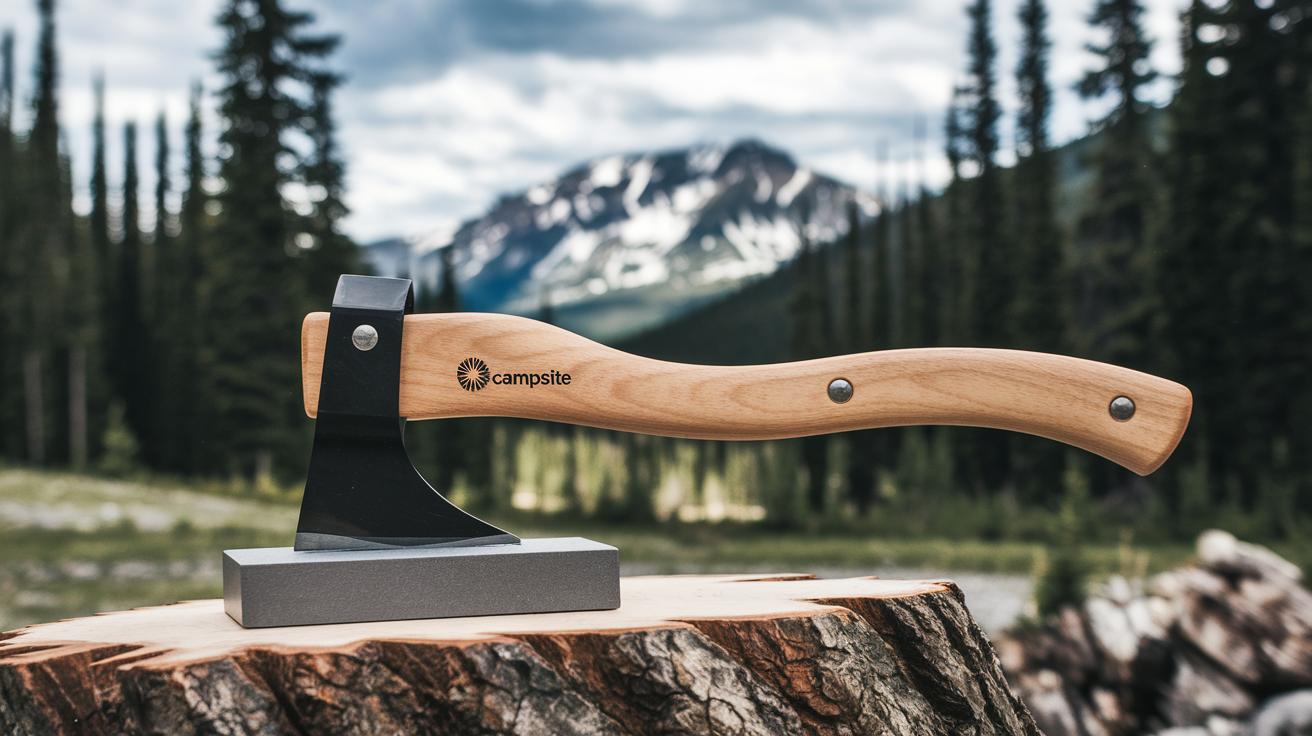
Keeping your camping axe in top shape is easier than you might think. Treating it well means sharpening its edge and caring for its handle as if it were a trusty friend. Start by using a dual-grit sharpening stone. For example, use an 80/220 grit stone to smooth out small nicks, then switch to a 220/400 grit to give it that extra sharp finish. It’s like giving your axe a quick spa treatment before each adventure.
The care doesn’t stop at the blade. Your axe’s handle also needs some love. If you have a traditional hickory handle, you can tighten it with metal wedges when necessary. Composite handles are pretty low- maintenance. Just be sure to keep your axe in a dry spot and lightly oil any bare steel to stop rust from creeping in. When rain clouds gather, think of your axe as needing a cozy jacket, slip it into its sheath to keep moisture at bay.
Safety always comes first when you’re out in the wild. Here are some friendly reminders:
- Always cover the head with a sheath when you're not using it.
- Keep a wide swing radius to protect your surroundings.
- Wear gloves and eye protection while chopping.
- Stand with your feet hip- or shoulder-width apart for extra stability.
Taking these simple steps not only keeps your axe ready for action but also ensures your outdoor adventures are both safe and enjoyable.
Camping Axe Usage Scenarios and Expert Tips
When you’re getting ready to light up a campfire, your axe isn’t just for chopping wood, it’s a handy tool for many tasks. Try using a chopping block to split both kindling and larger logs. Picture this: neatly split logs arranged for an even, steady burn, making your fire setup safer and faster.
If you need to do some carving, the Hults Bruk Almike is a top pick. Its sharp, factory edge is perfect for creating feather sticks or even building simple shelter supports. Imagine carving tiny notches that let pieces of wood fit together just right, like putting together your own custom campsite puzzle.
When you’re clearing away small branches, the Fiskars X11 is a real win. Its clever design and balanced swing make pruning limbs feel as easy as trimming a small bush on a bright, sunny day.
For those on long backpacking trips, the Gransfors Bruk Wildlife Hatchet is a dream. Its light weight helps reduce fatigue so you can keep enjoying the journey without any extra heaviness.
And if you’re in the mood for some fun, Council Tool Flying Fox offers great balance for axe throwing. Plus, if you need to drive in stakes, you can safely use the poll end with a mallet-style grip. This sturdy design turns your axe into a versatile survival tool that’s perfect for a variety of outdoor adventures.
Final Words
In the action, we covered a wide range of insights on top camping axes in 2025.
We broke down key specs such as weight, materials, and balance for precise use.
Our guide walked through important factors from field testing to maintenance and safety practices so you can confidently use every camping axe.
Every section aimed to simplify your choices, making outdoor tasks more straightforward and enjoyable.
Here’s to a smarter and secure outdoor experience with the right tool by your side!
FAQ
What kind of axe is best for camping?
The best camping axe is one that offers durability and versatility. It features a balanced head, a comfortable handle, and robust steel construction to handle wood splitting, carving, and various outdoor tasks.
Is it legal to take an axe camping?
The legality of taking an axe camping depends on local laws and campground regulations. It’s wise to check area-specific guidelines before packing an axe as part of your outdoor gear.
What is the difference between a camping axe and a hatchet?
The difference between a camping axe and a hatchet lies in size and design. A camping axe typically has a longer handle and more power for heavy tasks, while a hatchet is smaller, lighter, and better suited for precision work.
Is a hatchet or axe better for survival?
Whether a hatchet or an axe is better for survival depends on your needs. A hatchet offers portability and ease of use for smaller tasks, while an axe provides extra heft for chopping and splitting larger pieces of wood.