


Ever thought your propane tank could be the secret ingredient for an amazing camping meal? Picture a fuel source that heats up a sizzling grill one minute and keeps your cozy heater going on chilly nights. These camping propane tanks are made tough to handle the wild outdoors, giving you steady power even when nature throws a curveball.
Let’s take a closer look at how they work. We’ll chat about their smart design, built-in safety, and practical benefits that make them a favorite for any camper. You’ll soon see why these reliable tanks keep your meals sizzling and your nights warm, no matter where your adventure takes you.
Essential Features of Camping Propane Tanks
Camping propane tanks are handy, portable fuel containers made just for outdoor fun. They keep your stoves, grills, and heaters running smoothly so you can enjoy a great meal outdoors. These tanks are built tough and compact, perfect for any camping adventure. Sometimes, propane gets a bit confusing because it can be a liquid and a gas, depending on how it's stored. A small 1 lb tank might be ideal for a quick meal after a hike, while bigger 5 lb or 20 lb tanks work better for longer trips when you need more fuel.
Inside these tanks, propane is kept under pressure to stay in liquid form until you need it. They use a strong, pressurized cylinder made from materials like steel or high-grade composites. This means your fuel stays safe even when conditions get rough. Since propane is heavier than air, keeping it as a liquid helps stop it from escaping and makes sure you get a steady flow for all your outdoor cooking gadgets. Think of it like a mini power-packed fuel reserve that keeps your gear running all day.
These tanks do more than just fuel stoves. They power everything from small camping kits to bigger grills and heaters. Their rugged design is made to handle the bumps and scrapes of a campsite, so you always have reliable propane no matter where your adventure takes you. Whether you're planning a short trip or a long camping getaway, there's a tank size perfect for your needs, making your outdoor cooking not only simple but truly satisfying.
Camping Propane Tank Safety Guidelines
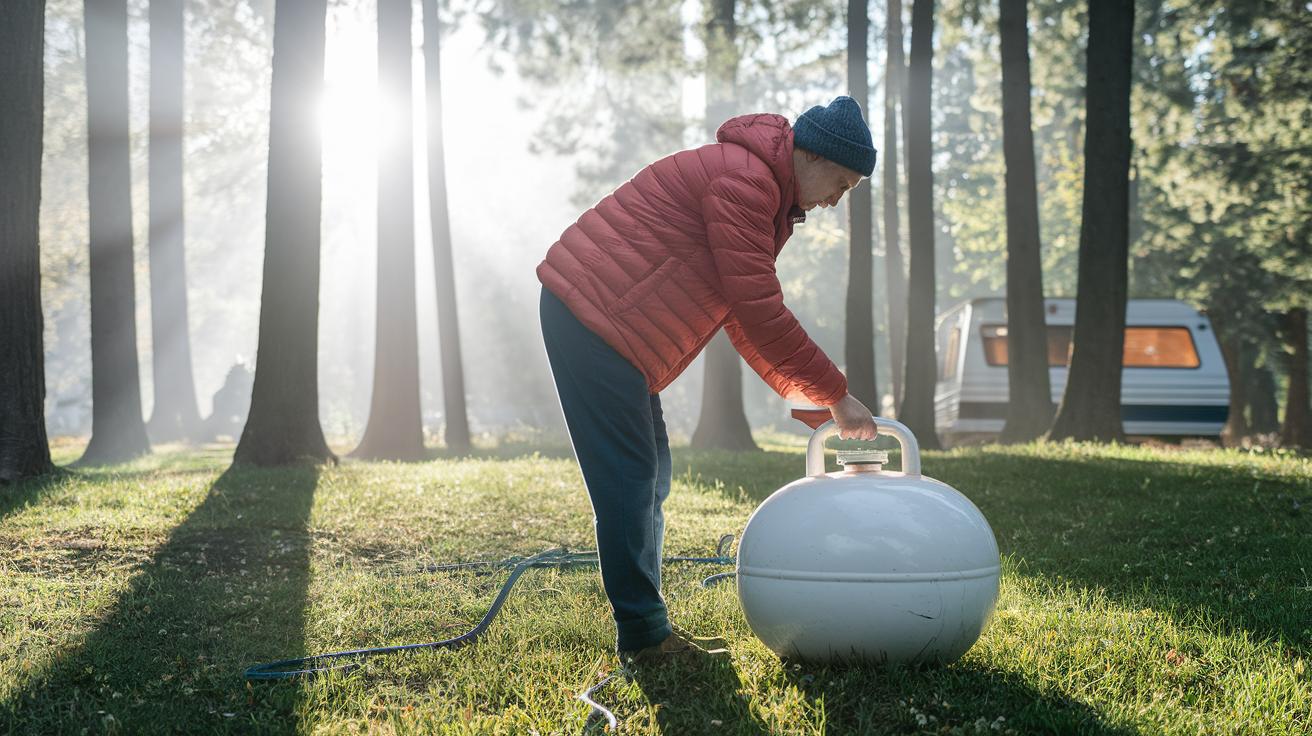
Hey there, fellow camper! When you’re out in nature, keeping safe with your propane tank is a must. Propane is stored under pressure, so if it's not handled right, things can get risky. By taking care of your tank and following a few simple tips, you’re not just protecting yourself – you’re keeping everyone safe, too.
Keep your tank upright so that fuel doesn’t pool in one spot. Give your valves, hoses, and regulator fittings a quick check for leaks. Before you fire up your campfire, check the tank for any signs of damage or pressure build-up. If you notice a leak, don’t wait, close the tank’s valve immediately. It’s also smart to use a propane detector for an extra dose of safety. And when you’re on the move, make sure the tank is secure so it doesn’t get knocked around.
If something does go wrong, knowing what to do can save the day. The moment you suspect a leak, shut the valve quickly, move the tank to a safe outdoor spot, and let the fresh air do its thing. A quick safety check before each use can really help avoid any dangerous surprises. Stick with these tips, and you can really relax and enjoy your outdoor adventures knowing your fuel is handled safely.
Camping Propane Tank Size Comparison
When you’re gearing up for a camping trip, picking the right propane tank can really make a difference. Different tank sizes mean different fuel amounts. A little 1 lb cylinder is great for backpackers because it’s super light but still fills you up for a quick meal or warming up your stove. If you need something a bit more reliable for a moderately long trip, a 5 lb tank offers a good blend of weight and fuel. And for those more extended camping adventures, a 20 lb tank is ready to power bigger grills and heaters at your campsite.
Below is a table with key details for the most popular propane cylinder sizes:
| Cylinder Size | Propane Capacity | Approx. Weight | Typical Burn Time |
|---|---|---|---|
| 1 lb | ~1 lb of propane | Lightweight | 2-3 hours |
| 5 lb | ~4.7 lbs of propane | Moderate | 4-6 hours |
| 20 lb | ~19.2 lbs of propane | Heavier | 8-12 hours |
When planning your camp cookout, think about how long you’ll be out and how much your appliances will use. For a short trip or a small stove, a 1 lb or 5 lb cylinder might do the trick. But, if you’re planning a longer outing or using larger equipment like grills and heaters, the 20 lb option is usually the way to go. This simple guide helps you choose the right fuel size while keeping your gear light and easy to move around.
Camping Propane Tank Buying Tips

Blue Rhino makes swapping your fuel a breeze with its exchange systems at many big retailers. You can simply trade an empty tank for a full one, meaning less waiting around and more time enjoying your trip. It’s a smart solution if you use your propane tank often.
Local hardware stores and propane specialists are great places to get advice on refills. They usually offer a mix of options, from one-time use cylinders to sturdy, refillable models, so you can pick what fits your camping needs best. It never hurts to check out the local spots alongside the big chains for a deal that suits your budget.
When you’re weighing costs, single-use cylinders might seem cheaper at first, but they generate more waste. On the other hand, refillable tanks can save you money in the long run and are kinder to the environment. For short trips or occasional use, single-use can work, but if you’re a regular camper, investing in a reliable refillable tank is a win for both your wallet and the planet.
Recommended Camping Propane Tank Brands
Flame King and Manchester are two brands that many outdoor enthusiasts trust. Their steel cylinders are built tough for both grilling and camping. They stick to strict quality controls backed by UL/ANSI certifications, which means you can count on a steady, reliable flame, just like your favorite camping tool.
Blue Rhino has won hearts with its easy-to-find tanks and simple exchange programs available at lots of stores. Designed for outdoor gas lovers, their tanks are both dependable and super easy to swap out. So you can relax and enjoy your campfire cookout without a worry in the world.
Then there’s Little Kamper, offering a clever and eco-friendly twist. They repurpose lighter cylinders for use in our beloved national parks. That way, you get a camping propane container that works hard while also caring for the environment. Their focus on recycling and safety makes it a top pick for anyone who loves a good adventure with a green conscience.
Maintenance and Storage for Camping Propane Tanks
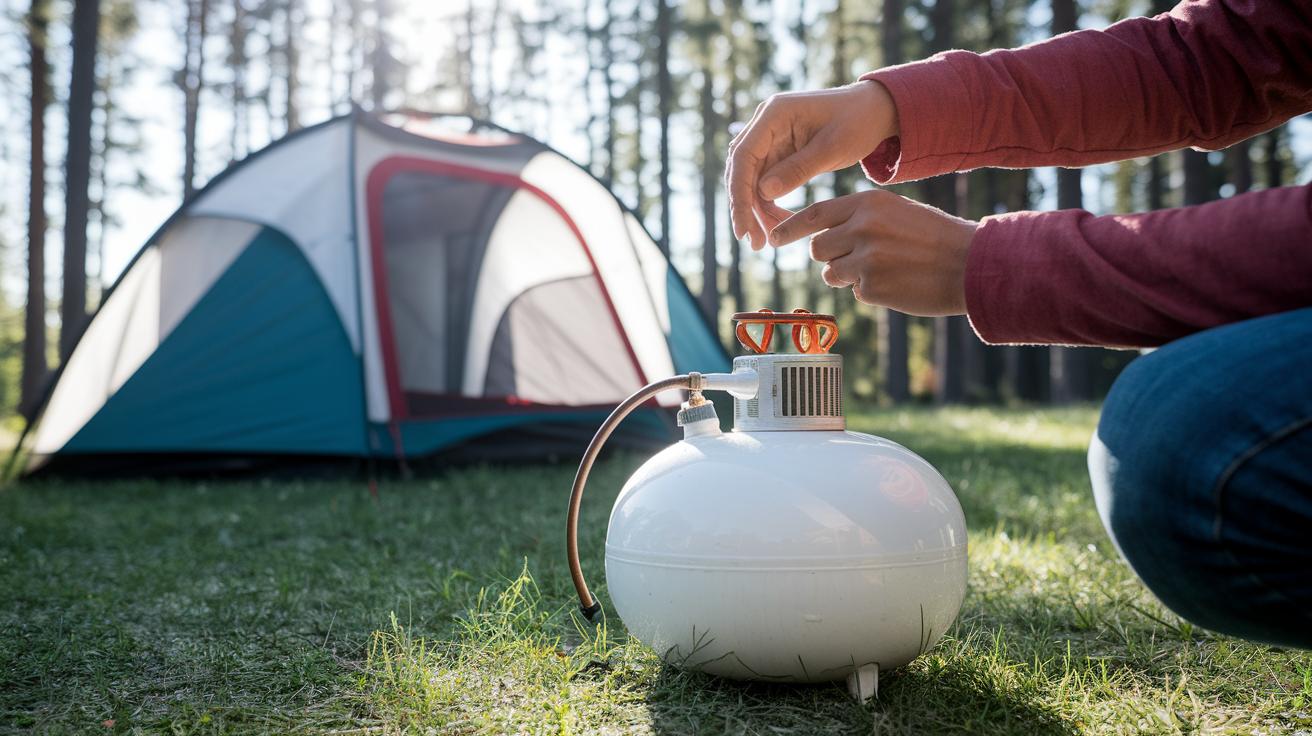
Taking care of your camping propane tank is like giving it a quick health check. Every six months, take a moment to inspect the O-rings for any signs of wear, look over the inside of the regulator to catch any damage, and check the hoses and fittings for cracks or looseness that could lead to leaks. It’s a small effort now that saves you from bigger headaches later.
When you're ready to store your tank, find a cool, well-ventilated spot away from direct sunlight. Propane is heavier than air, so keeping the tank upright is key, it helps the gas settle safely at the bottom. Choose a location with plenty of fresh air and low heat buildup to keep your tank in top condition, even on windy days.
For an extra layer of safety, consider using accessories like a tank cover or leak detectors. They can serve as early warning signals if something isn’t right. And when your tank is empty, be sure to take it to an authorized recycling center so you can help protect our beautiful outdoor spaces.
Final Words
In the action of our discussion, we covered the essential aspects of a camping propane tank, from how it stores LPG safely to comparing different sizes and trusted brands. We also shared tips to choose the best option and care for your gear, making each step simple and secure.
This guide helps you feel confident about every transaction. Enjoy the smooth shopping experience that lets you focus on your next outdoor adventure with your camping propane tank.
FAQ
Where can I find a camping propane tank nearby, such as at Home Depot or Walmart?
The question regarding nearby camping propane tanks indicates that major retailers like Home Depot and Walmart often stock these tanks, and local outdoor or hardware stores can also be reliable sources.
How do I refill a camping propane tank, and can I refill a Coleman 1 lb propane tank?
The question about refilling camping propane tanks shows most can be refilled at designated service centers, but Coleman 1 lb tanks are typically single-use and not refillable for safety and design reasons.
How should I dispose of a used camping propane tank?
The question on camping propane tank disposal means that empty tanks should be taken to authorized recycling centers or disposal sites in line with local regulations to ensure safe and proper handling.
What should I know about Coleman camping propane tanks and Walmart’s exchange policies on them?
The question addressing Coleman propane tanks and Walmart exchanges suggests that while Coleman tanks are favored for quality in camping, exchange policies vary by retailer, requiring a review of specific store terms.
What is a camping propane tank adapter?
The question about camping propane tank adapters explains that these devices help connect different appliances to propane tanks, ensuring a secure and efficient fuel connection for stoves and grills.
What size propane tank is best for camping?
The question concerning the best size propane tank for camping highlights that small 1 lb tanks work well for backpacking, while 5 lb or 20 lb tanks are preferable for longer trips and higher fuel demands.
How long can a 20 lb propane tank run a fire pit?
The question regarding a 20 lb propane tank’s runtime clarifies that burn times depend on the fire pit’s fuel consumption, with a typical tank powering a fire pit for several hours under moderate conditions.