


Ever thought about a camping trip powered entirely by sunlight? Solar camping gear turns your outdoor spot into a little power hub. Imagine lighting up your tent area and keeping your phone charged without hearing any engine noise. It’s a clean, green way to enjoy nature and reduce waste. In this post, we’ll walk you through how these eco-friendly picks blend simplicity, efficiency, and savings so that your adventure is as kind to your wallet as it is to the planet.
Key Benefits of Solar Powered Camping Gear
Solar powered camping gear is a smart, eco-friendly choice for anyone who loves the outdoors. It uses the power of the sun to run the gadgets you need, cutting down on extra waste and harmful emissions while keeping nature happy. This clever approach lets you enjoy your camping adventure with a lighter touch on the environment.
Designed with budget trips in mind, solar gear is light and easy to pack. It works quietly, so you won't hear the loud noise of fuel-powered generators, and it keeps charging all day to support your long, off-grid journeys.
- Runs on the sun's energy to lower carbon emissions and reduce reliance on fossil fuels.
- Recharges built-in batteries or powers your devices straight from sunlight, cutting down waste.
- Keeps your phone, GPS, and emergency lights running when you're away from the hustle and bustle.
- Features a slim, portable design that backpackers and simple campers will love.
- Cuts the need for extra batteries or noisy fuel generators.
- Though it might cost a bit more upfront, you save money over time with minimal upkeep costs.
- Operates silently, keeping your camp peaceful and safe.
Solar powered camping gear perfectly mixes eco-friendly benefits with everyday practicality. It not only helps shrink your carbon footprint but also stands by as a reliable backup during your wild adventures. In short, using solar gear means stopping by nature in a much quieter, efficient way while keeping your camping costs low.
Choosing Solar Panels for Camping Gear
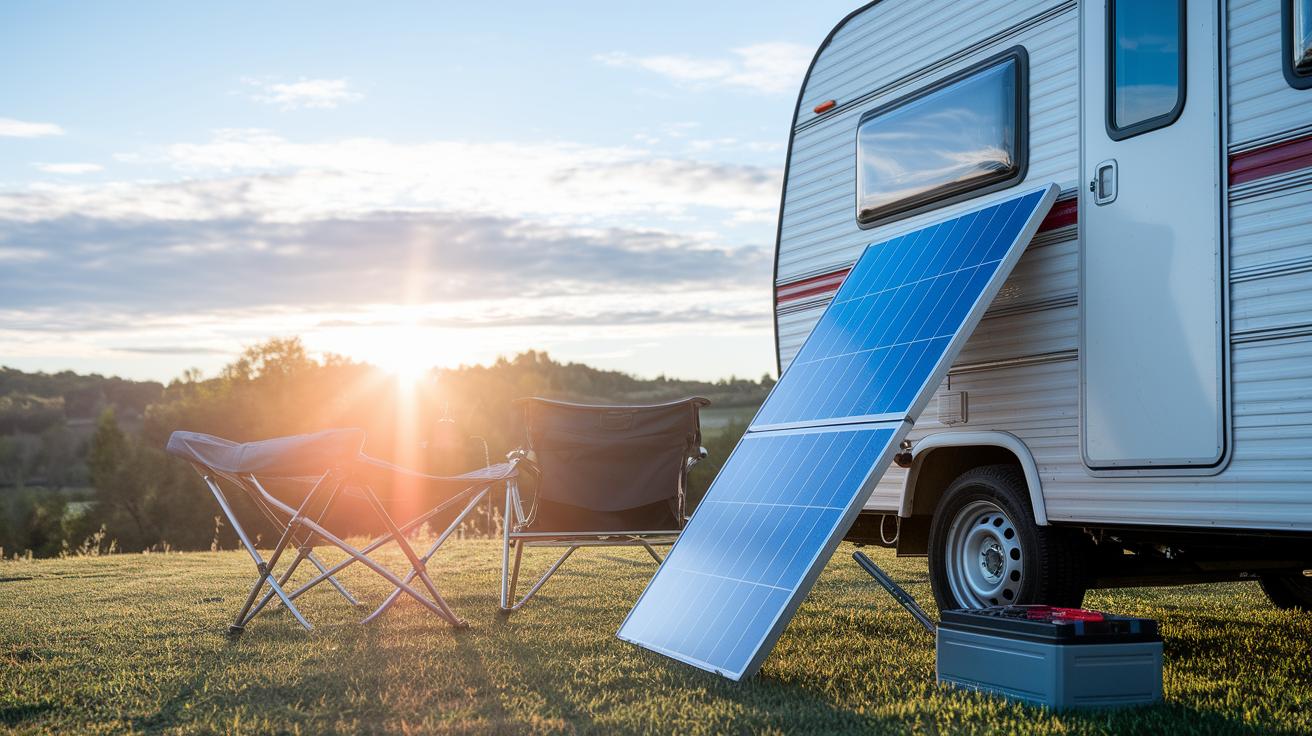
Solar panels let you harness the sun's energy at your campsite, keeping your gadgets and appliances running smoothly even when you're far from the grid. It all boils down to matching the panel's wattage and battery backup to your needs. Usually, you’ll set up a system that includes panels, batteries or power banks, a charge controller, and sometimes an inverter.
Types of Portable Solar Panels
Monocrystalline panels are a hit because they work efficiently and have a slim profile, perfect if you need to save space on your backpack. On the other hand, polycrystalline panels might not pack as much power per inch, but they are built to last and handle the bumps along the way. And then there are thin-film panels, which are both light and flexible, making them a smart pick when you need something that adapts to different conditions, even if they aren’t as powerhouse-efficient.
Optimizing Panel Positioning
To get the most sunlight, place your panels facing south and tilt them around 30 to 45 degrees. This small tweak makes a big difference because it helps capture the best sunlight during peak hours. You might use a tripod or even a wearable backpack mount to adjust the angle on the fly, it’s like giving your panels a better view of the sun!
Connecting and Monitoring Your Setup
Once your panels are in position, hook them up to a charge controller. This little device helps keep your batteries safe from overcharging. Then, connect your battery banks to ensure a steady flow of energy. Inverters, which change DC to AC, should be used only when needed since they tend to use up extra power. Keep an eye on your daily usage; it’s a good way to tweak your system and keep it running smoothly.
Choosing the right mix of components means you can enjoy clean, quiet energy wherever you roam, powering your adventures with a little help from the sun.
Solar Powered Camping Gear: Bright Eco Picks
Imagine setting up camp knowing you’ve got a power source that charges by the sun. Solar power banks mix in-built panels with recharge-friendly lithium-ion or LiFePO₄ cells to keep your devices running. They offer power through USB, DC, and AC ports in one handy package, so you’re never left in the dark when you’re off the grid.
These neat gadgets come in sizes from 10,000 mAh (37 Wh) up to 30,000 mAh (111 Wh), making them perfect for camping trips. They let you tap directly into the sun’s energy, so you can ditch disposable batteries and fuel-based options. Sure, they might cost a bit upfront, but over time, the savings and peace of mind they provide are totally worth it.
| Model | Capacity (Wh) | Ports | Weight |
|---|---|---|---|
| SunCharge 10K | 37 | 2 USB | 0.5 lbs |
| TrailPower 20K | 74 | 3 USB + 1 AC | 1.2 lbs |
| CampVolt 30K | 111 | 2 USB + DC | 1.5 lbs |
When you're picking a battery pack, think about your needs. Check the capacity and port variety to match your devices. Look for a balance between weight and performance so you can enjoy smooth, sun-powered adventures every time you head out.
Solar-Powered Camping Gear for Lighting and Cooking
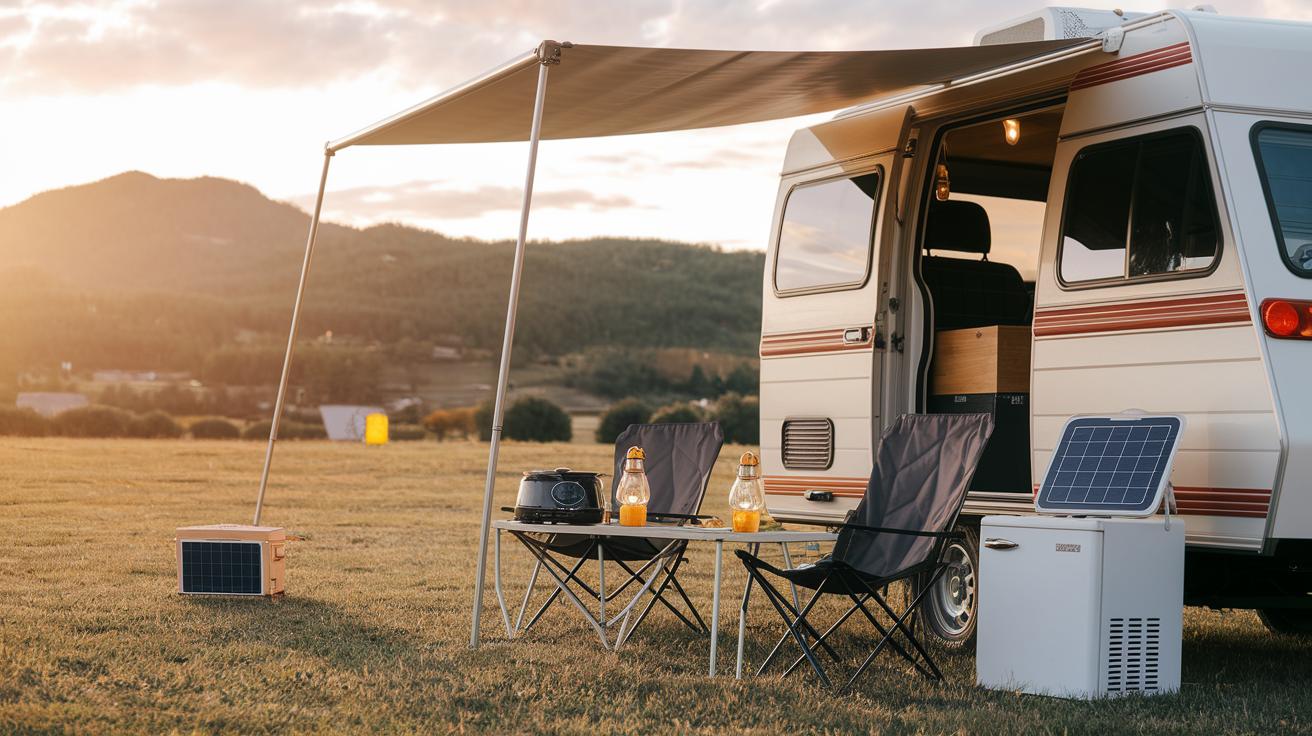
Solar lanterns and string lights brighten your campsite with a gentle glow, thanks to built-in solar panels and rechargeable cells. They offer 8 to 12 hours of reliable light, making them a smart, energy-saving choice for your outdoor adventures. Plus, they set a warm, inviting mood without any extra fuel or batteries.
Portable solar ovens and stoves harness the sun’s power to cook your meals, no fuel needed. This eco-friendly approach cuts down on waste while making the most of natural light. And if you need to manage water, solar-powered pumps and filtration units use sunlight to draw and clean water, keeping your campsite green and efficient.
Compact solar refrigerators are perfect for short trips, keeping your food fresh with cool temperatures between 35°F and 45°F for 2 to 4 days. They ensure your food and drinks stay safe while blending reliable cooling with renewable energy, making them an excellent pick for convenience and sustainability.
Advanced Off-Grid Solar Campsite Setup
Begin your off-grid journey with the basics: reliable charge controllers and smart, sun-powered inverters. These charge controllers help keep your batteries in tip-top shape by controlling the voltage from your panels, stopping any risk of overcharging. Then, inverters turn that stored direct current into alternating current, which your devices depend on. A smart inverter quietly does its job in the background, ensuring your power remains steady and dependable, kind of like the backbone of your whole setup.
Next, think about your wiring. It’s all about finding the right balance. Wiring your panels in series boosts the voltage, while wiring them in parallel ups the amperage or current flow. When every cable and connection is in place, every solar panel in your kit works perfectly to deliver the energy you need. Taking the time to match and secure your wiring can really make a difference, especially on those long trips where every single watt matters.
Finally, gear up with advanced monitoring and protection tools to round out your setup. A modern battery management system keeps an eye on how your cells are performing, while rugged fuse blocks and waterproof enclosures protect your wiring from nature’s elements. With mobile apps or easy-to-read displays, you get real-time insights into voltage, current, and charge levels, making it simpler than ever to adjust your energy flow on the go. This smart charging module not only strengthens your off-grid setup but also takes the stress out of troubleshooting in the great outdoors.
Buying Guide: How to Choose Solar Powered Camping Gear
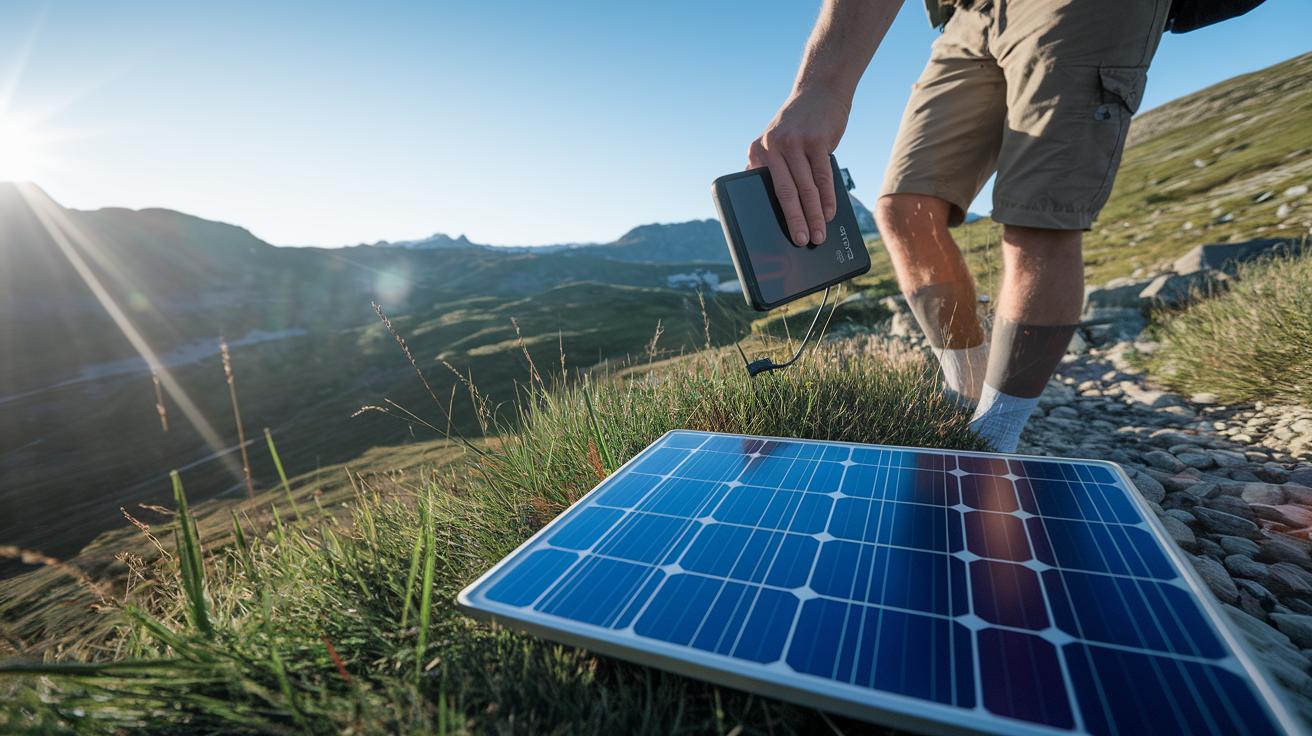
When you're scoping out solar-powered camping gear, start with the basics. Check the panel efficiency ratings, which usually sit between 15% and 23%. This tells you how well sunlight gets converted into energy. Also, keep an eye on battery capacities measured in watt-hours so you can match the gear to your power needs. For day trips, a high-efficiency charger can quickly turn sunlight into a reliable burst of energy. Plus, look for models that offer a variety of outputs like USB-A, USB-C, DC barrel, and AC outlets. This way, your phone, camera, or any other gadget gets the juice it needs while you explore the great outdoors.
Next, it’s all about build quality and portability. Think about how much the unit weighs and how easily it fits into your backpack. You might find options as light as 0.5 lbs, though larger models can be around 5 lbs. You also want your gear to stand strong when you’re out in nature. Rugged housings and a decent weatherproof rating (at least IP65) mean your charger can handle a little rain or dust. It’s like having a tough buddy by your side, ready to power up your adventure.
Finally, take a peek at what others have to say. Customer reviews can shine a light on reliability, durability, and the support you can expect from the company. While the best gear might cost a bit more upfront, think of it as a smart long-term investment. Less maintenance and fewer fuel expenses over time mean you’re really setting yourself up for a sustainable and cost-effective outdoor power solution. Enjoy the freedom of renewable energy on every wild trip you take!
Final Words
In the action, this article highlighted the strong benefits of solar powered camping gear. It broke down how these products offer cleaner energy, cost savings, and reliable power for remote trips. We explored everything from portable panels to battery systems, and even cooking and lighting solutions. Each section showed you how to quickly find quality items while feeling safe with smart tech and secure setups. It's all about making your outdoor experiences smarter and smoother while keeping your adventures powered by sunlight. Enjoy every moment of your solar-powered expeditions!
FAQ
What does a solar powered camping gear list include and where can I find these kits?
A gear list typically includes solar panels, battery kits, and essential connectors available on sites like Amazon and specialty outdoor stores. It offers eco-friendly solutions for off-grid camping.
What is the best solar powered camping and survival gear?
The best options combine lightweight panels, efficient batteries, and rugged designs that reliably charge devices, ensuring you’re powered up during outdoor trips and emergency situations.
Are solar panels worth it for camping?
Solar panels are worth it because they provide renewable, silent energy to power your devices, reducing reliance on extra batteries or noisy generators while cutting down on waste during outdoor trips.
What can I run with 500 watts of solar power?
With 500 watts, you can power essential, low-watt devices like LED lights, GPS units, small fridges, and phone chargers, offering reliable energy for a range of outdoor applications.
Can I run a camping fridge on solar power?
Yes, you can run a camping fridge by pairing a solar panel with a battery and inverter, which maintains cool temperatures for perishables over several days during your outdoor excursions.
What do I need for solar power camping?
For solar camping, you need a reliable solar panel or kit, a suitable battery or power bank, a charge controller, and proper connectors to power your essential devices like phones and emergency lights.
What are the key features of models like Jackery, EcoFlow, and BigBlue solar panels?
These models offer a range of wattages, multiple output ports, and durable, portable designs. Their reliability and efficiency suit varied power needs, making them popular choices for outdoor enthusiasts.