


Have you ever stopped to think why modern architecture still gets people talking? It’s a style that tosses aside old traditions in favor of clean lines and designs that really work for you. Instead of all the extra ornamentation, modern design keeps things practical. It uses everyday materials like glass, steel, and reinforced concrete to build spaces that feel as good as they look.
Rooted in bold movements from both Europe and the U.S., modern architecture challenges us to find beauty in how things function. Its ideas are daring yet down-to-earth, proving that smart design can be both eye-catching and incredibly useful.
Overview of Modern Architecture: Definitions and Core Principles
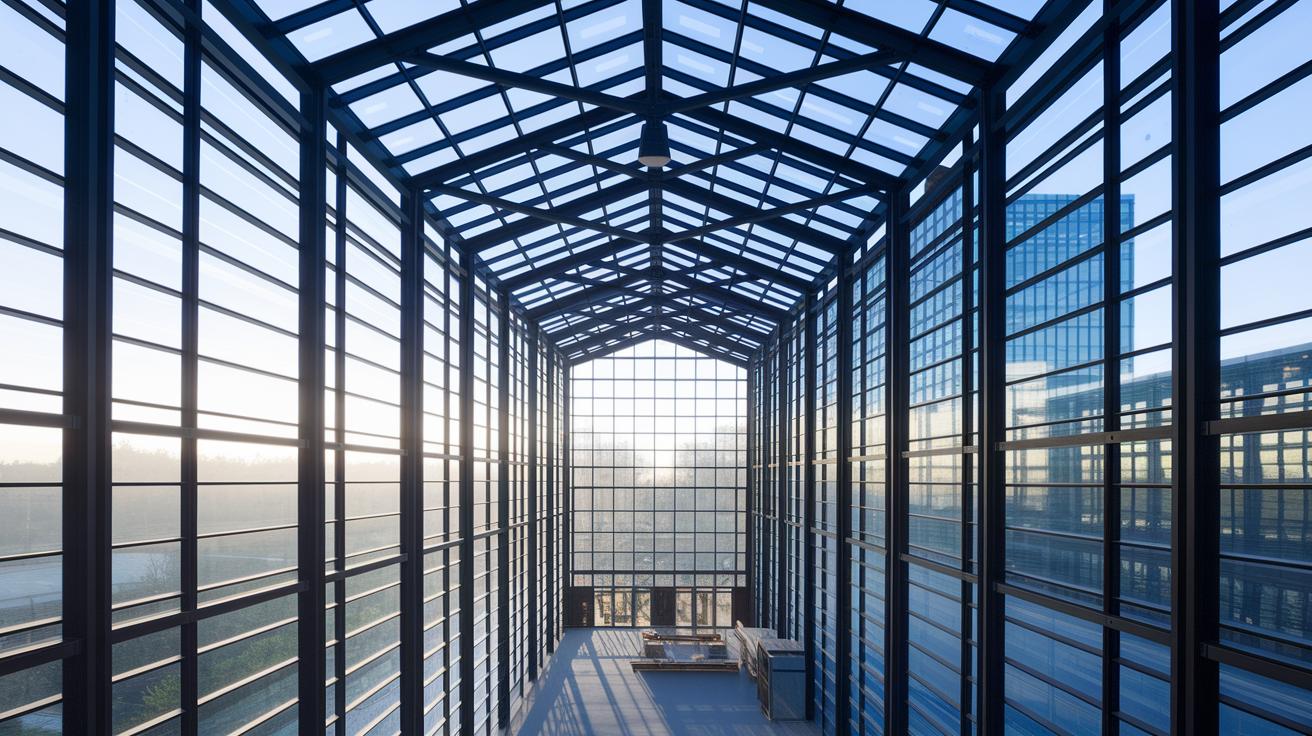
Modern architecture shows off smart design and innovative building methods that put practicality first. It uses materials like glass, reinforced concrete, and steel to create spaces where every detail has a purpose. Ever heard the phrase "form follows function"? This idea kicked off an era where clever use of space and efficient design mattered more than fancy decoration.
This style is all about minimalism, cutting out extra details that don't serve a purpose. Think of open floor plans that let you use a room in many different ways, big curtain windows that flood the space with natural light, and flat roofs that make everything look sleek. These choices have set trends that continue to shape how buildings are planned and built today.
Modern architecture, sometimes called the International Style, spread quickly across Europe and the United States in the mid-20th century. It wasn’t just about looks; it was tied to new social ideas, creating spaces that fit modern living and tackled everyday challenges. Picture a spacious living room with smooth, clean lines where everything, from skylights to simple partitions, is designed with purpose in mind. By stripping away excess decoration, modern architecture delivers spaces that are both beautiful and very functional, opening the door for future design innovations.
Modern architecture: Iconic History & Bold Design
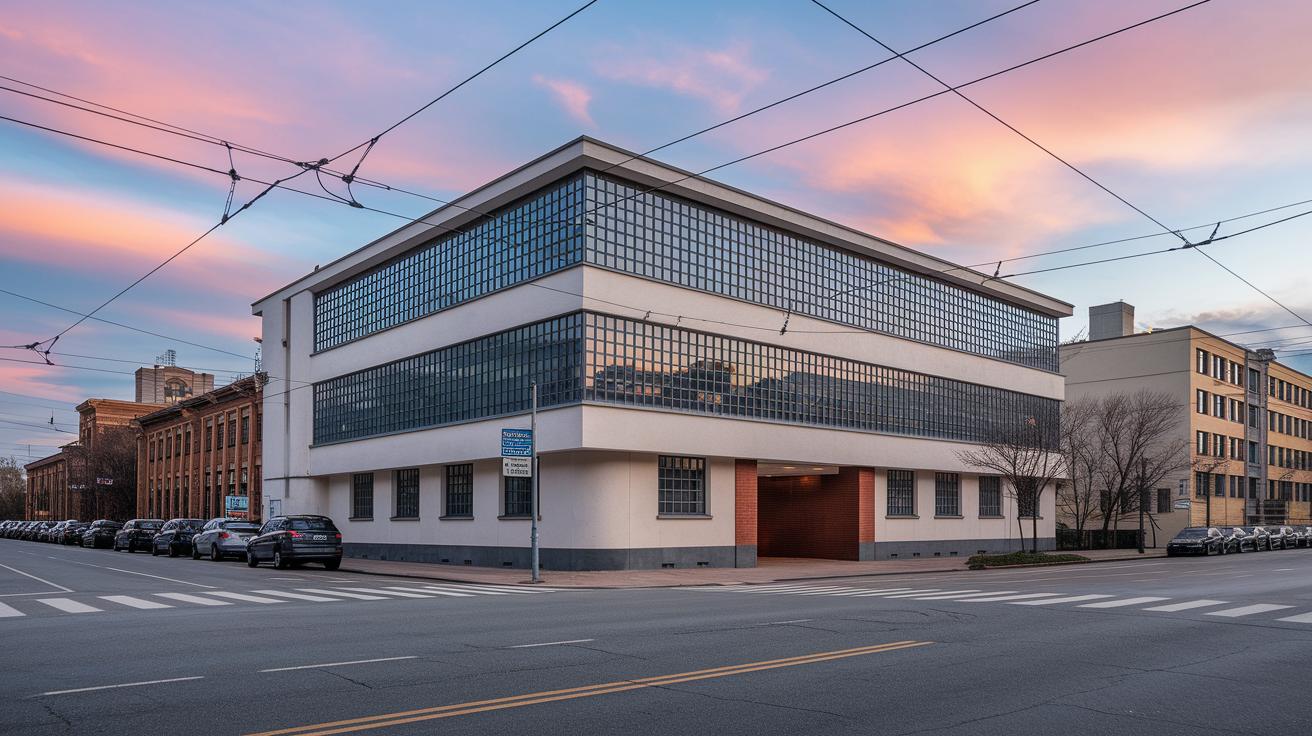
Modern architecture really shook up the scene in the early 1900s in Europe and the U.S. Builders and designers tossed aside old-school decoration in favor of designs that served a real purpose. It all clicked into place when Walter Gropius founded the Bauhaus school in 1919, blending art, craft, and industry into a fresh, streamlined way of building.
When tough times hit and political pressures rose, many modernist architects left Germany during the Nazi era. They carried their practical, no-nonsense ideas across the ocean. Soon enough, this fresh look, later known as the International Style, spread through America. Think flat roofs, open layouts, and walls full of glass that brighten up any space.
Modern architecture isn’t just about cool, new designs; it’s a reminder that bold ideas can reshape our everyday world. Every building tells a story of creativity meeting practicality, turning our cities into dynamic, inviting spaces.
Core Design Principles in Modern Architecture
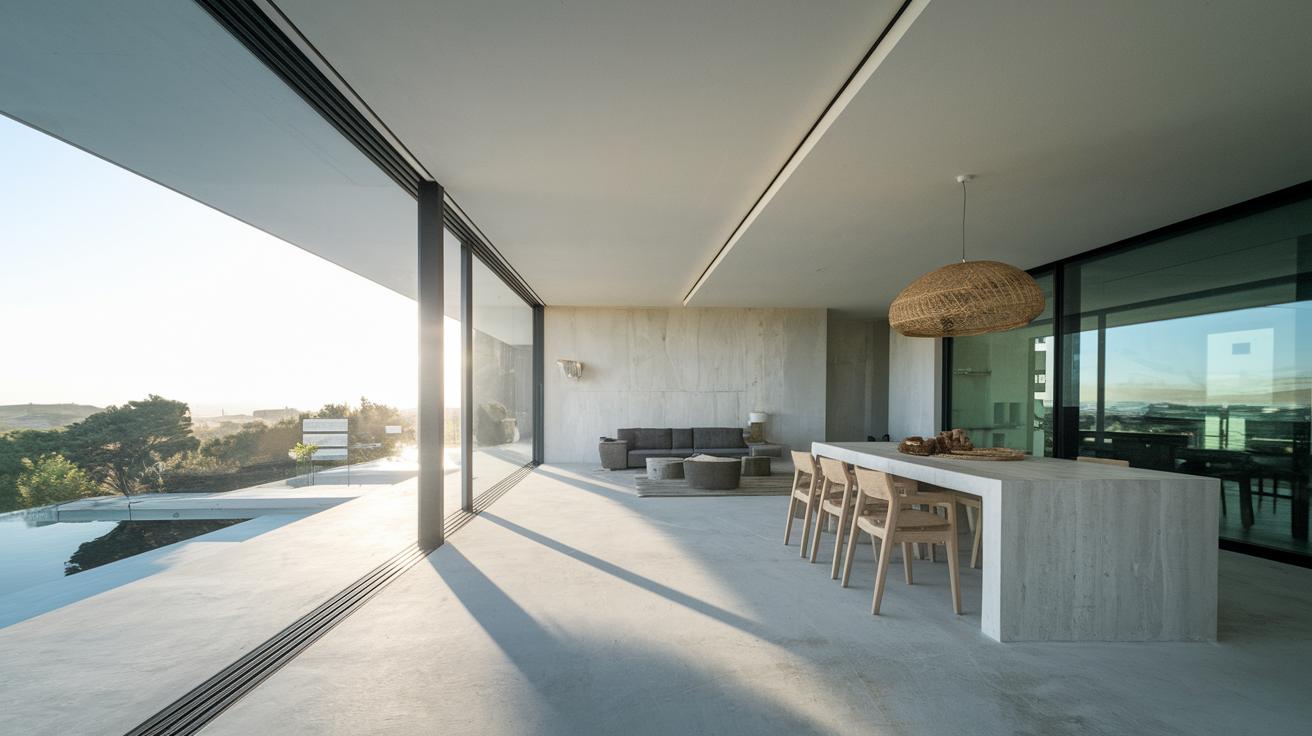
Architecture these days puts function first, where every design detail serves a clear purpose. Take the Barcelona Pavilion, for example, its minimalist design, with every line and curve carefully planned, has inspired countless modern designs with its graceful simplicity.
Clean lines make way for spaces that truly shine. Imagine open layouts where every room feels welcoming and flexible, enhanced by eco-friendly materials and smart systems that adjust to energy needs with minimal fuss.
Big windows aren’t just for letting in sunlight anymore. They now use clever glass technologies that keep your home cozy while saving energy, all while blurring the line between indoors and out. This modern twist honors classic design principles while meeting today’s environmental challenges.
Modern architects continue to refine these ideas by mixing timeless simplicity with the latest tech and sustainable methods. It’s a thoughtful evolution that adapts familiar designs to tackle the demands of our current world.
Innovative Materials and Technological Advances in Modern Architecture
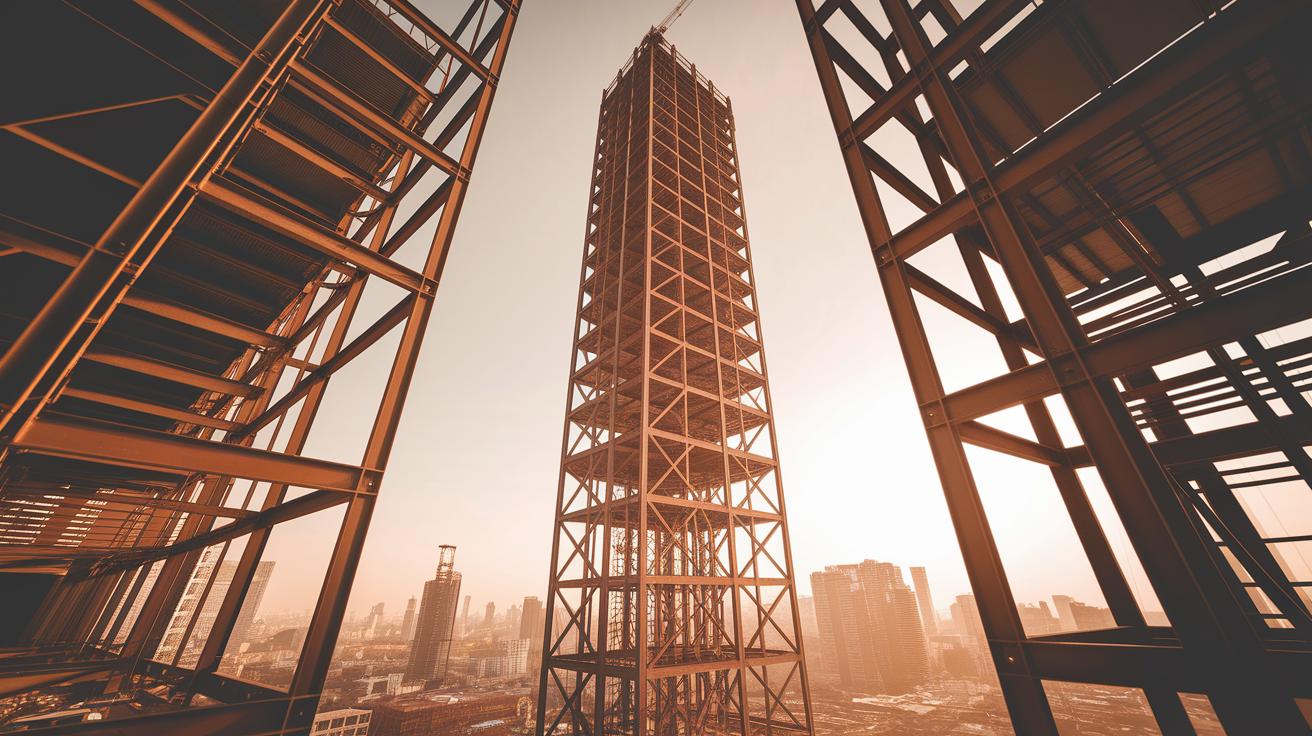
Reinforced concrete and steel frameworks have really changed the game for architects. These materials give buildings a toughness and flexibility that once seemed impossible. Digital tools like BIM and parametric modeling help experts craft detailed plans with ease, it's like drawing with light and numbers.
Modular construction and prefabrication have also made a big difference. Instead of building every part from scratch, pieces are made in controlled environments and quickly put together on site. This approach speeds up the work and cuts down on waste.
Integrated systems for HVAC, lighting, and controls work together to boost both comfort and energy efficiency. Imagine a sensor that brightens a room as natural light increases, that’s smart design in action.
Reflective glass and innovative façade treatments not only make buildings look sleek but also help regulate temperature. Every material and tool is picked with care to promote quality, efficiency, and sustainability. This mix of smart systems and modern materials keeps today’s architecture at the cutting edge of both design and function.
Signature Styles and Sub-Movements within Modern Architecture
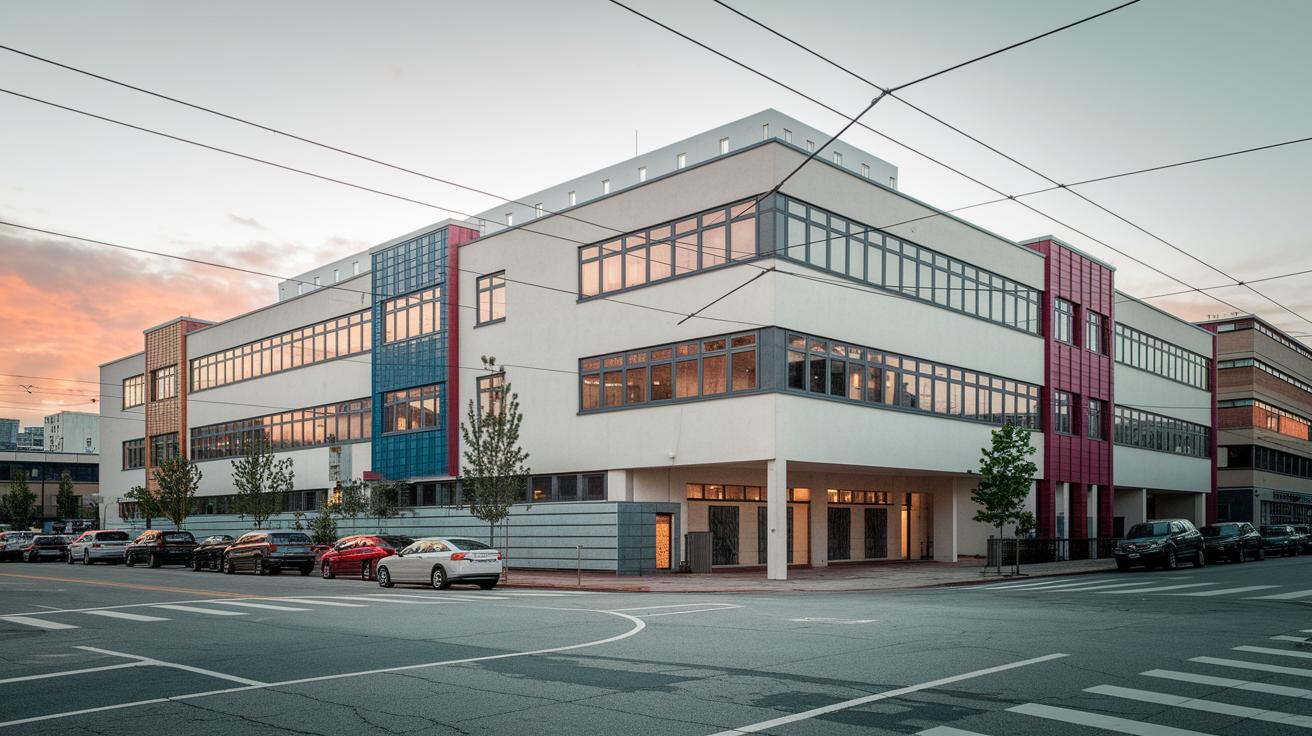
Modern architecture is full of personality, with each style adding its own unique twist to building design. It's like each movement has its own vibe, reflecting changes in how we live, work, and play. These designs tell the story of our times, blending art, technology, and everyday life with a personal touch.
Take a look at these standout sub-styles:
-
Mid-Century Modern: Imagine bright, open spaces with huge windows that blur the line between indoors and out. Every room feels connected, kind of like your favorite cozy living room that invites you to relax and wander through.
-
Modern Scandinavian: This style is all about keeping it simple and beautifully crafted. Think soft, muted colors and clean lines that create calm, inviting spaces, just like a snug Nordic home where every detail matters.
-
Art Deco: With its balanced lines and rich materials, Art Deco brings a touch of luxury to modern buildings. Picture sleek curves and hints of Egyptian flair that remind you of elegant, old-school travel lounges.
-
Bauhaus: Focused on purpose and function, Bauhaus is refreshingly straightforward. It’s like a smart studio apartment with flat roofs and clean surfaces, where every design choice has a clear reason.
-
Mountain Modern: Imagine rugged textures paired with sharp, modern lines. This style uses big windows and natural hues to bring the outdoors in, creating a warm mountain retreat that feels both upscale and welcoming.
Each of these styles adds its own colorful chapter to the story of modern architecture, showing that beauty and practicality can really go hand in hand.
Sustainability and Eco-Conscious Design in Modern Architecture
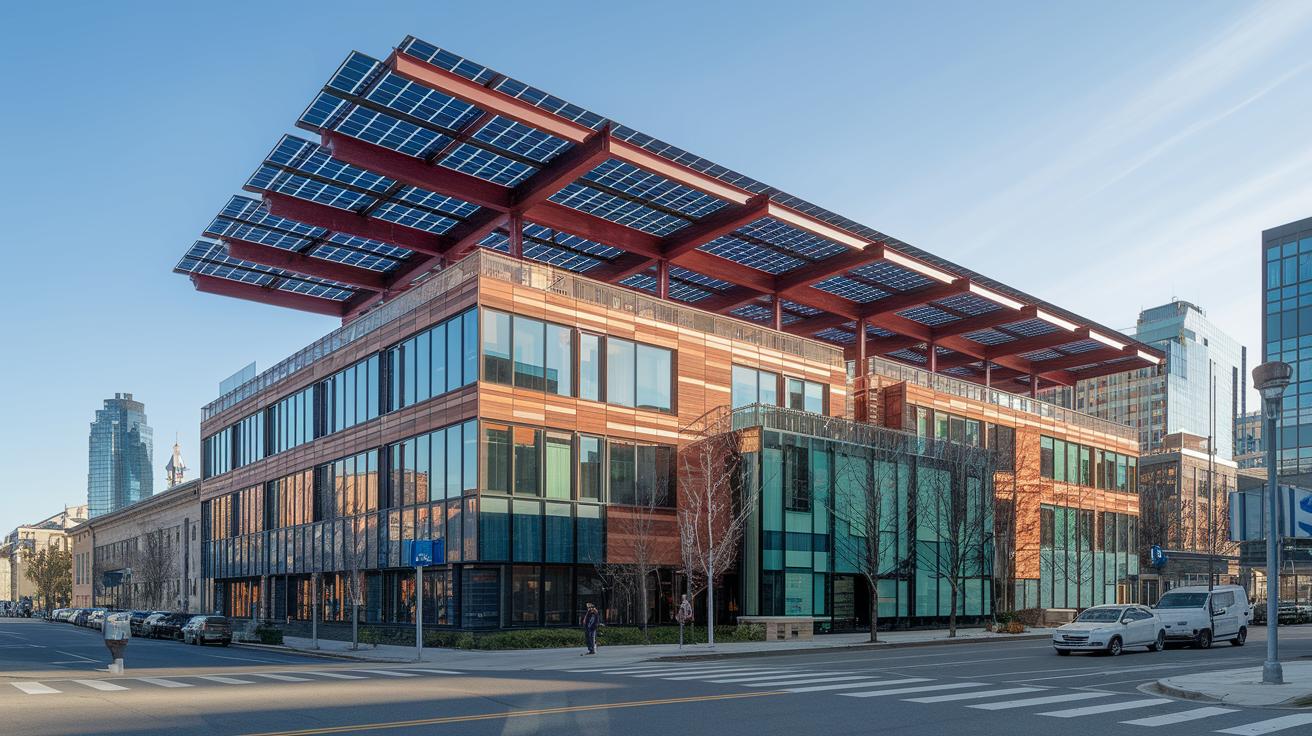
Modern architecture is now all about blending cool looks with a love for our planet. Architects use smart materials like engineered timber, recycled steel, and concrete that takes little energy to make. Imagine a building proudly holding up its spacious interior with recycled steel beams while cutting down on waste. It just goes to show that style and green choices can easily go hand in hand.
Today, lots of projects chase well-known green certifications like LEED and BREEAM. These labels mean a building is designed to save energy and run efficiently. Clever designs often tap into natural tricks, using the sun's warmth by day and breezy ventilation to cool things off. With better insulation, these homes save even more energy while keeping residents cozy.
Another game changer is the rise of renewable energy systems. Solar panels and geothermal setups now power buildings in a much greener way, shrinking their carbon footprint. This smart, all-in-one approach to energy really shifts the focus toward sustainability. And the idea even jumps inside, where smart layouts and lighting design make interiors as efficient as they are stylish. Check out how interior design is changing at this link.
Lastly, modern architects pay close attention to lifecycle analysis, a process that looks at every part of a building’s life to lessen its impact on nature. This careful, long-term view shows a real commitment to both efficiency and the environment. In the world of eco-conscious design, every little detail truly counts.
Contemporary Trends and Smart Innovations in Modern Architecture
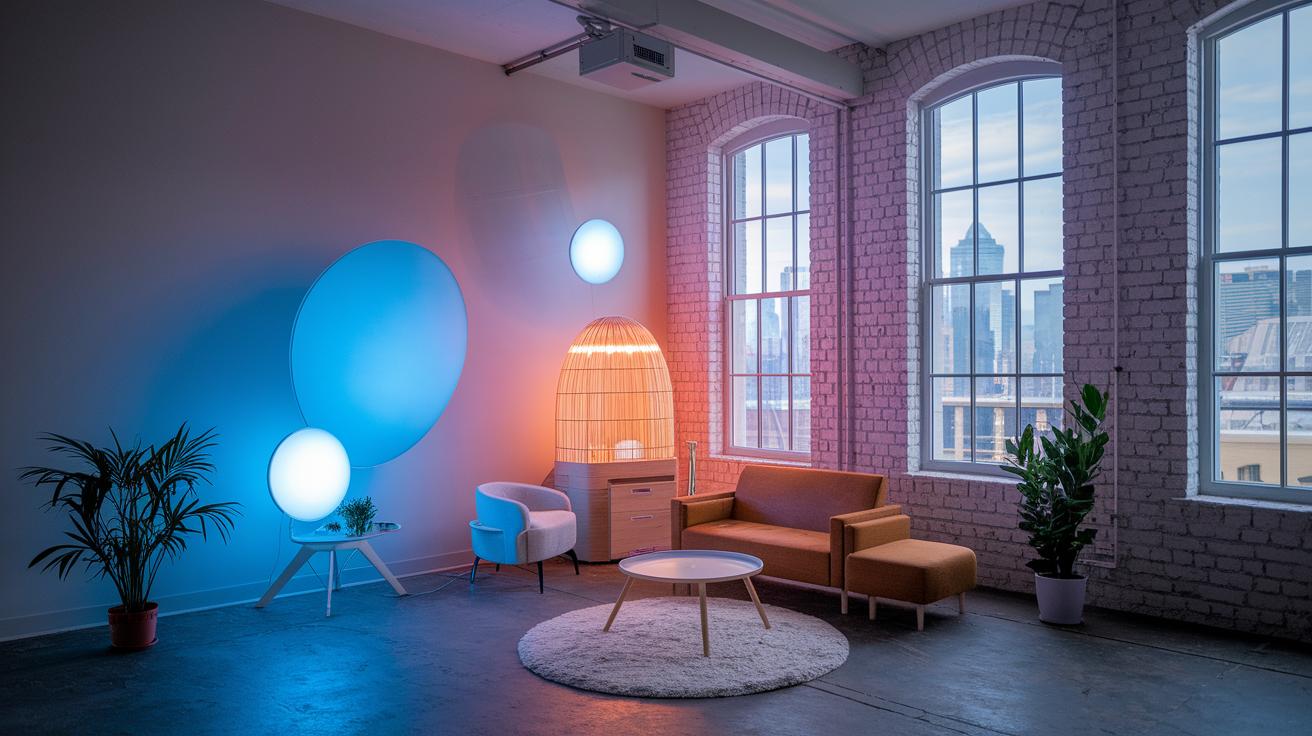
Modern architecture is evolving with a mix of new technology and flexible design that completely changes how we live in our spaces. Think about a home that senses your arrival and adjusts the lighting, temperature, and security without you having to do a thing. It’s all about making everyday life smoother and safer.
Old buildings are getting a fresh start too. Clever projects transform unused factories and historic sites into exciting new homes or busy commercial spots, blending classic charm with modern upgrades. Imagine a former warehouse turned into a vibrant art gallery, where cutting-edge tech meets preserved character.
City planning is also stepping into the future. Using modern design tools, architects are shaping cities to be more walkable and friendly for everyone. Neighborhoods are being planned to make the best use of space while keeping that cozy, human feel. Picture a housing complex where rooms can easily switch from a quiet home office to a lively community lounge, it’s a flexible design that adapts to your daily needs.
New building systems are now paired with digital design tools to cut construction time and boost energy efficiency. With smart sensors and adaptable structures, buildings not only perform better but also set a new standard for eco-friendly, tech-savvy design. Architects are reimagining how we live, using responsive designs that prepare our surroundings for the future.
Influential Architects and Iconic Modern Architecture Milestones

Many amazing architects have changed how we think about modern buildings. Le Corbusier, for example, loved the idea that the shape of a building should come from its purpose. His work on Villa Savoye from 1928 to 1931 shows how clean lines and open spaces can make living areas practical and inviting. Walter Gropius started the Bauhaus school and mixed art with everyday construction techniques, creating a design style that still sparks ideas today. Ludwig Mies van der Rohe, with his simple “less is more” idea, transformed minimalism into beautiful landmarks like the Farnsworth House and the Seagram Building.
To help you see these cool innovations, check out the table below:
| Architect | Key Work | Year |
|---|---|---|
| Le Corbusier | Villa Savoye | 1928–31 |
| Walter Gropius | Bauhaus Movement | 1919–c.1940 |
| Ludwig Mies van der Rohe | Farnsworth House / Seagram Building | 1945–? |
Charles and Ray Eames made a big impact too by combining a home with a studio in the Eames House, mixing living and working spaces in one creative hub. Their designs, together with the works of Le Corbusier, Gropius, and Mies van der Rohe, keep inspiring modern architecture and engineering magic all over the world.
Final Words
In the action, this post covered modern architecture's core principles, historical highlights, and design shifts that shape today’s built environment. We looked at how sleek forms, minimal detailing, and sustainable methods lead to secure, efficient shopping spaces.
Every insight reminds us that modern architecture is more than style, it creates spaces where every purchase is easy and every element feels just right. Let a clear vision and innovative spirit guide your future in design.
FAQ
What is modern architecture?
Modern architecture is a design style that emphasizes a minimal aesthetic and functional design. It uses advanced materials like glass, steel, and concrete to create open floor plans with clean lines and a focus on practicality.
What are the five points of modern architecture?
The five points of modern architecture describe key design principles that prioritize open layouts, minimal ornamentation, and a focus on function. These principles, introduced by Le Corbusier, guide many modern building designs.
How do modern architecture homes differ?
Modern architecture homes differ by emphasizing practical design with sleek exteriors, large windows, and open floor plans. They focus on clear, functional spaces that offer a contemporary urban aesthetic and a relaxed, spacious feel.
What are some famous examples of modern architecture?
Renowned examples of modern architecture include Villa Savoye, Farnsworth House, and the Seagram Building. These buildings showcase the style’s clean lines, open spaces, and the use of industrial materials for elegant, functional design.
What is postmodern architecture?
Postmodern architecture expands on modern ideas by incorporating playful historical references and decorative details. It contrasts with strict minimalism by adding elements that create intrigue and a sense of character within the design.
What is International Style in modern architecture?
International Style in modern architecture refers to a design movement that emphasizes clean, unadorned surfaces, open spaces, and a reliance on industrial materials. This style focuses on simplicity and functionality across diverse building designs.
What characterizes Brutalist architecture?
Brutalist architecture is characterized by its use of raw concrete, block-like forms, and a rugged, bold appearance. The style conveys a sense of strength and honesty through its unapologetic display of materials and robust structural designs.
How does Art Deco relate to modern architecture?
Art Deco relates to modern architecture through its emphasis on symmetrical lines and decorative motifs, standing apart with ornate details and rich materials. It offers a distinct look that contrasts with the sleek purity of modern minimalism.
How is contemporary architecture different from Gothic architecture?
Contemporary architecture focuses on innovative, sustainable, and adaptable designs, often featuring smart technology and open layouts. In contrast, Gothic architecture is marked by ornate details, pointed arches, and traditional craftsmanship reflecting historical art.
What is the moderne style architecture?
Moderne style architecture is defined by streamlined forms and smooth facades paired with horizontal emphasis. It minimizes decorative details and creates a sleek, futuristic look that fits well within the range of modern design approaches.
What is current modern architecture called?
Current modern architecture is often identified by its integration of smart home features, eco-friendly designs, and flexible spaces that maintain a minimalist look. It continues evolving with technology while sticking to core modern principles.
Where can I find resources on modern architecture?
Resources on modern architecture, including books and PDFs, provide detailed insights into its core principles, iconic buildings, and design philosophies. They serve as useful guides for anyone looking to understand or implement modern design trends.