

Ever wonder how one bold move could change an entire industry? At just 16, Louis Vuitton left his little hometown, fueled by a love for crafting high-quality trunks. In Paris, he turned travel into an art by mixing smart design with everyday practicality. His fresh ideas soon built a legacy known for unbeatable style and quality. In this story, we take a look at the key moments in his journey and see just how his vision still inspires today.
Louis Vuitton History Timeline: Key Milestones from 1837 to Today
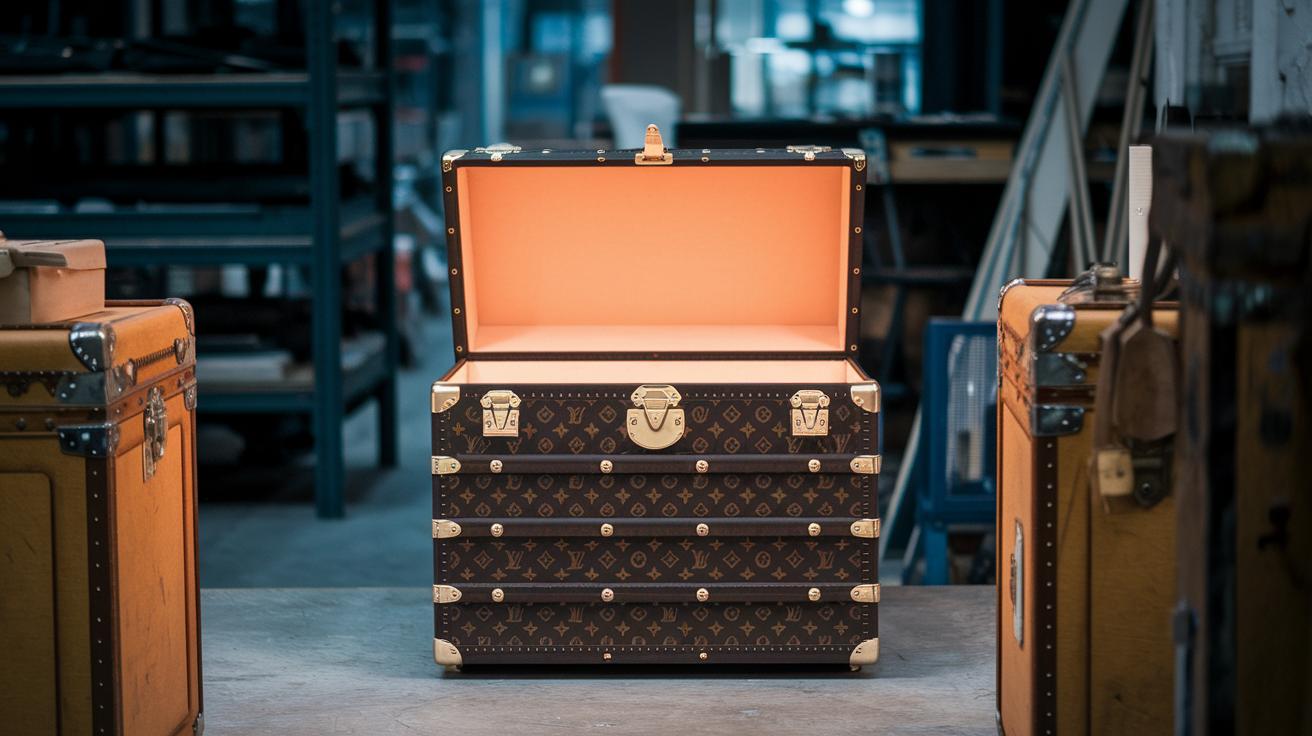
At 16, Louis Vuitton left his hometown Anchay and headed to Paris, ready to learn the art of trunk-making. That bold step kickstarted a legacy famed for its innovative craftsmanship. At 33 in 1854, he opened a workshop at 4 Rue Neuve-des-Capucines, laying a solid foundation for a brand that would blend everyday practicality with refined style.
In 1858, he changed travel forever by introducing flat-topped trunks made from lightweight Trianon canvas. They were perfect for modern travelers, quickly becoming a symbol of quality and durability. Just imagine the excitement as these smart designs transformed everyday journeys into something memorable.
Then came 1888 with the checkerboard Damier canvas, offering a preview of more daring patterns ahead. In 1896, Georges Vuitton boosted the brand's reputation by unveiling the iconic interlaced Monogram canvas. These creative breakthroughs set the stage for decades of artistic evolution.
In 1925, Louis Vuitton crafted the sleek Alma bag for Coco Chanel, steering the brand toward smaller luxury leather accessories. The company kept impressing in the 1930s with the unisex Keepall travel bag and in 1932 with the practical Noé bucket bag. Later in 1966, the Papillon cylindrical bag debuted, soon followed by the chic and ever-popular Speedy 25.
The journey took a modern turn in 1987 with the formation of LVMH, a merger with Moët & Chandon and Hennessy. In 1997, Marc Jacobs became Creative Director and brought a fresh wave of innovative designs to Louis Vuitton. The launch of the Neverfull tote in 2007 and the striking petal diamond cuts in 2009 further proved the brand's dedication to quality and innovation. Today, with ambitious goals like achieving 100% eco-design by 2025 and reducing greenhouse gas emissions by 55% by 2030, Louis Vuitton continues to stand tall as a leader in luxury.
Origins and Early Beginnings in Louis Vuitton History

Louis Vuitton's journey started with a grueling 280-mile walk to Paris and 17 years devoted to mastering trunk design. Picture a young craftsman setting off on a long journey, driven by passion, and spending years refining his skills until his waterproof, stackable trunks revolutionized travel storage.
During this time, he left Anchay and opened a workshop at 4 Rue Neuve-des-Capucines 33. Every step of his early career shows just how hard he worked. His lengthy apprenticeship sparked innovative ideas that laid the groundwork for his later honor as the chosen trunk maker for Empress Eugénie.
Iconic Design Innovations in Louis Vuitton History
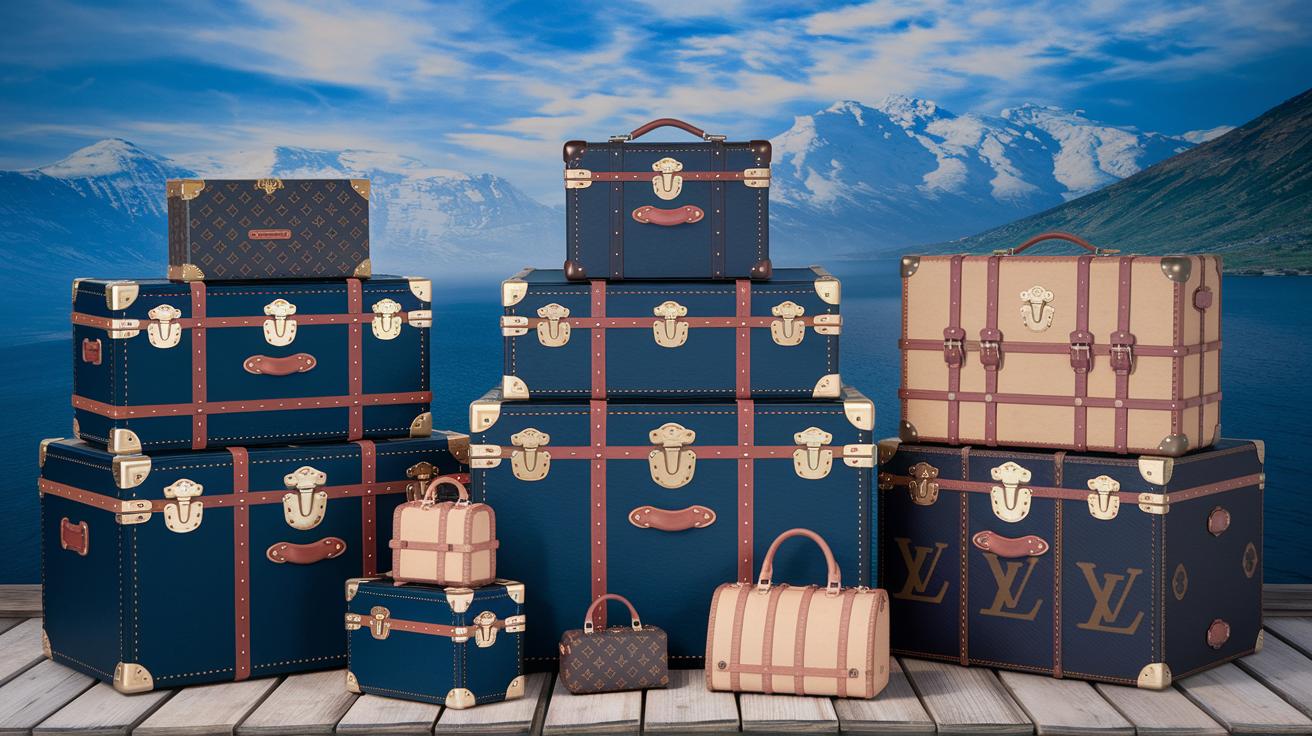
Louis Vuitton has always blended style and practicality. In 1858, they introduced lighter trunks with a flat top crafted from Trianon canvas. This clever twist turned a basic travel necessity into a chic statement, too, one critic even remarked how a boring tool became a stylish accessory.
Then came the checkerboard Damier canvas in 1888. Its unique look added a touch of storytelling to everyday travel gear. A loyal customer mentioned how the pattern mixed classic charm with a dash of modern flair, making it a hit for daily use.
In 1896, the brand unveiled the interlaced Monogram canvas, setting a new standard for luxury logos. Experts noted that it perfectly balanced old-school tradition with fresh innovation, building a symbol of refined craftsmanship that still resonates today.
In 1925, the debut of the structured Alma handbag was a true game changer. It smartly fused stylish design with practical compartments, sparking discussions about this early marriage of form and function in luxury accessories. Later pieces like the Keepall and Noé weren’t just about storage, they made travel feel exclusive, as if you were part of a timeless style club.
The cylindrical Papillon and the ever-popular Speedy 25 captured the spirit of pop culture. They show Louis Vuitton’s knack for staying current while remaining a classic choice in luxury travel.
Evolution into a Fashion Empire within Louis Vuitton History
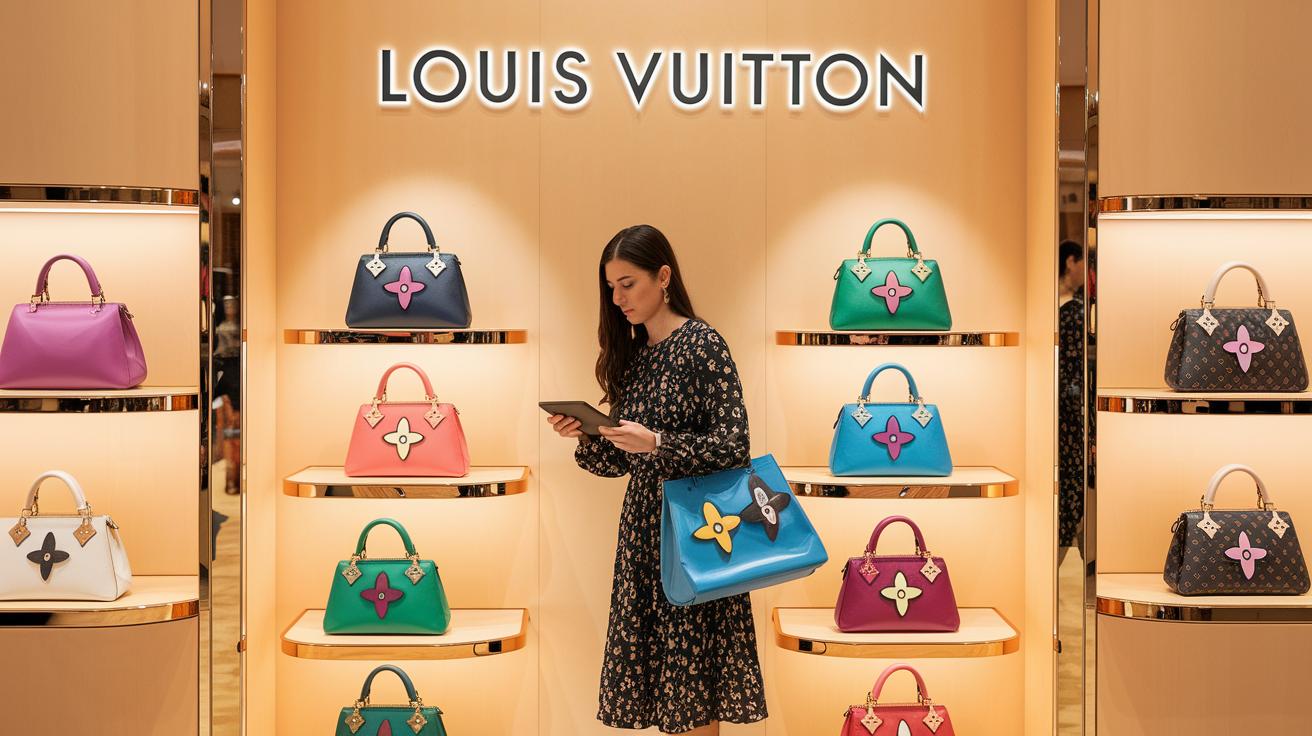
In 1997, Marc Jacobs joined the team and switched things up at Louis Vuitton. His imaginative ideas brought together the brand’s rich past with surprising new twists, turning everyday accessories into pieces of art. Picture walking into a boutique where every item whispers its own unique story.
His influence wasn’t limited to a fresh line of products, it marked a bigger change. Louis Vuitton started breaking old rules by blending practical design with creative flair. It’s like giving a trusted classic a burst of vibrant color, making the brand feel new and exciting.
Innovations like the petal diamond cuts showed off this fresh approach. They weren’t just clever design moves; they offered a tangible experience that resonated with fashion lovers all over. Each detail invited customers to enjoy the magic of old-world quality with a modern, inventive spin.
Every design choice from this era was a thoughtful nod to evolving tastes, capturing the hearts of those who value both tradition and a daring new look.
Cultural Impact and Future Outlook of Louis Vuitton History
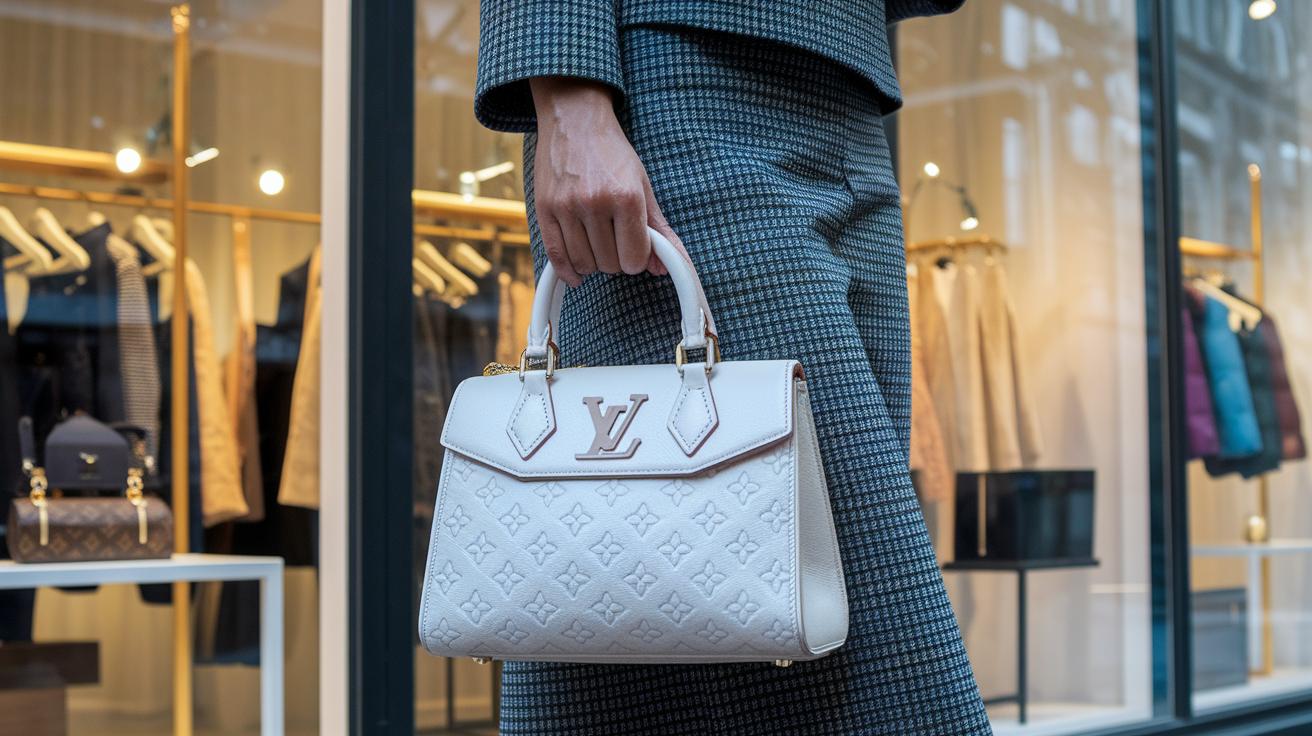
Louis Vuitton has been a trailblazer for ages and still finds ways to transform the fashion world. Today, celebrity partnerships and social media influencers are giving luxury a fresh twist. For instance, a recent artist collaboration sparked more than 100,000 social media posts in just one week, showing how the brand effortlessly connects with the pulse of modern pop culture.
The company is also a leader when it comes to eco-friendly practices. They’ve set a goal to achieve 100% eco-design by 2025 and cut greenhouse gas emissions by 55% by 2030. These ambitious targets are inspiring the whole industry to rethink how products are made, blending luxury with sustainable practices that appeal to today’s conscious shoppers.
Recent efforts show a clear link between style and sustainability. Check out this simple breakdown:
| Initiative | Impact |
|---|---|
| Contemporary Collaborations | Increases social buzz and modern charm |
| Sustainability Goals | Drives a shift toward greener production methods |
This iconic brand not only sets trends today but also paves the way for future standards in fashion and society.
Final Words
In the action of tracing louis vuitton history, we journeyed from humble beginnings to bold design breakthroughs. Each milestone marked a step forward, from early trunk innovations to modern luxury transformations. A series of creative leaps and strategic moves helped shape the brand’s evolution as a global icon. The story leaves us feeling inspired and positive about the future, as ingenuity and dedication continue to drive progress in the fashion world.
FAQ
What are some key facts and milestones of Louis Vuitton history?
The timeline of Louis Vuitton covers his humble beginnings in 1837 with innovative trunks, the debut of flat-topped trunks and signature canvases, merging into LVMH, and evolving into a global luxury leader.
Who was the founder of Louis Vuitton?
Louis Vuitton began his career at 16 and opened his atelier in 1854. His pioneering trunk designs established him as a visionary in luxury travel accessories.
Who is recognized as a key designer in Louis Vuitton’s evolution?
Louis Vuitton’s early designs set the tone, later enriched by creative talents like Marc Jacobs, who infused modern style while honoring the brand’s rich heritage.
What was Louis Vuitton’s first product?
The first product was a handcrafted, flat-topped trunk made with lightweight Trianon canvas, blending practicality with style and starting the brand’s reputation for quality travel goods.
When did Louis Vuitton become popular?
Louis Vuitton gained popularity in the mid-1800s when his innovative trunks earned royal commissions and public acclaim, marking the beginning of a lasting luxury legacy.
When did Louis Vuitton, the founder, die?
Louis Vuitton passed away in 1892, leaving behind a legacy of design innovation and craftsmanship that continues to influence the luxury market today.
Does the Vuitton family still own Louis Vuitton?
The Vuitton family no longer solely owns the brand, as it became part of the LVMH conglomerate, managed by industry professionals while celebrating its storied heritage.
Why is the Louis Vuitton logo sometimes seen as upside down?
The logo features a mirrored design for aesthetic balance and brand recognition, reflecting a creative choice rather than a literal upside-down orientation.
Did Louis Vuitton have a wife?
Yes, Louis Vuitton was married, and his family life formed part of his personal story, though his professional legacy remains the most celebrated aspect.
What are some interesting facts about Louis Vuitton?
Notable details include Vuitton’s 1837 Paris journey on foot, his creation of revolutionary trunks, royal endorsements, and a transformative evolution into an iconic global luxury brand.