


I spent the last two weeks with Ultrahuman’s Continuous Glucose Monitor (CGM) stuck to the back of my arm. The quarter-sized disc silently sampled my interstitial fluid every few minutes, pushed the numbers to my phone, and showed me exactly how each bite, sip and sprint changed my blood-sugar curve. From chilly morning coffees that barely nudged the needle to fluffy slices of poha that sent it rocketing, the data forced me to rethink breakfast, reorder meals and tame afternoon crashes. If you’re curious whether a CGM is worth the cost, the pain or the fuss, here’s my honest download.
What Does Wearing a CGM Actually Look Like?
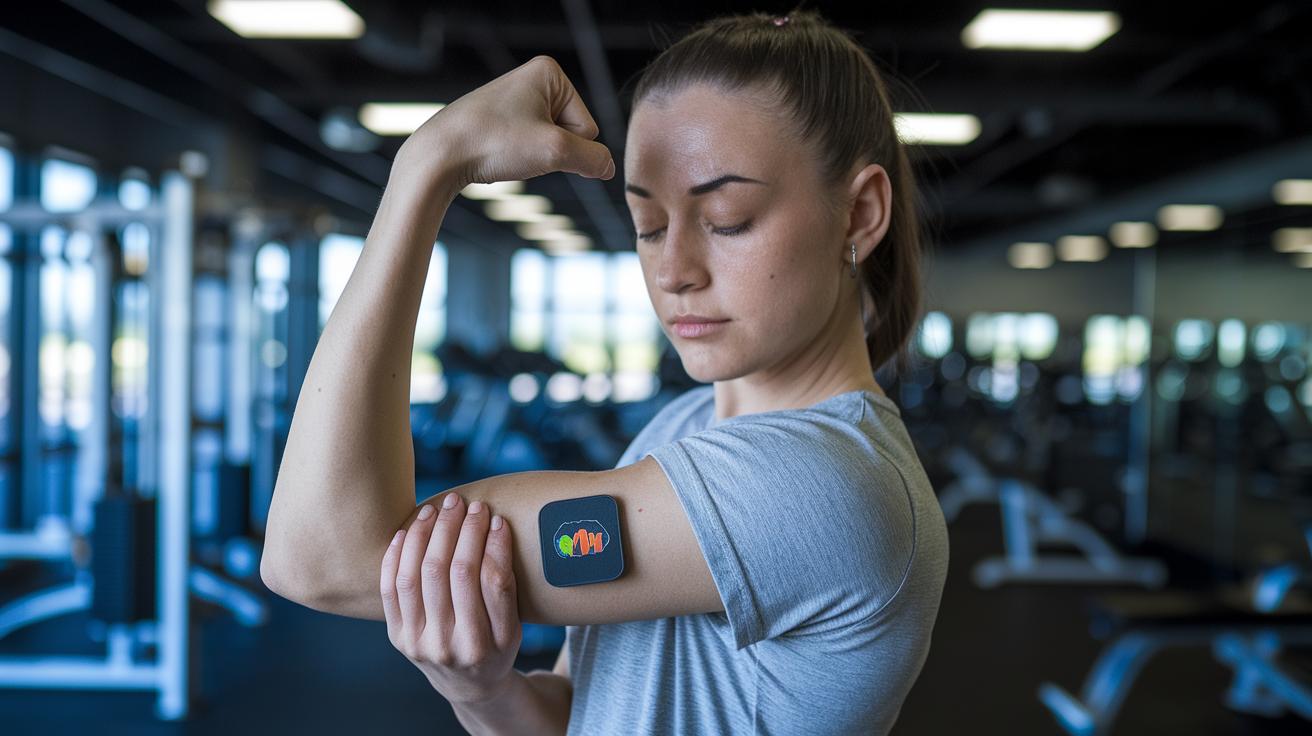
Before I fastened the disc, I wondered if everyone would stare. In reality, the sensor hides neatly under a T-shirt sleeve. Ultrahuman ships a handful of patterned stickers, think neon camo, geometric gradients, even minimalist black, that seal the adhesive and double as fashion flair. I picked the rainbow fade and no one noticed until I flexed my arm at the gym. The applicator is a simple spring-loaded tube: press, click, done. A tiny filament slides under the skin, but there’s no blood and no drama. Showering, swimming and kettlebells? Zero issues; the patch stayed put for the full fortnight.
Does the Sensor Feel Uncomfortable? My Experience

I worried the probe would itch, snag or throb, yet by lunchtime on day one I forgot it was even there. The trick is placement: the soft triceps area avoids pressure when you sleep or lean back in a chair. The filament sits in interstitial fluid, not a vein, so there’s no nerve contact. After leg-day deadlifts, I felt a faint tug but no pain. A waterproof wrap isn’t necessary, but I dabbed the edges with medical tape before a 10-kilometre run; still no chafing. Friends who tried to poke it were surprised it’s basically flush with my skin.
Getting Started: Tips for Your First 24 Hours With a CGM
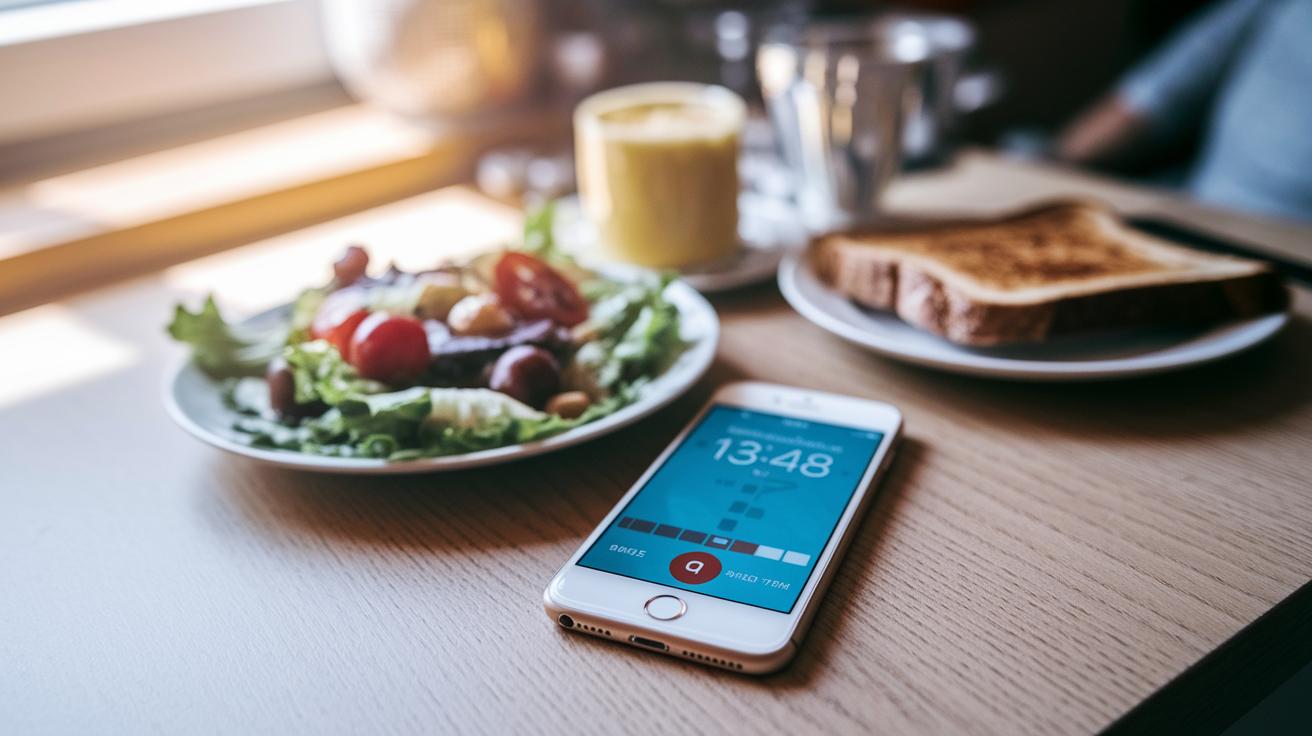
"Could you share the graphs?" friends asked after my first scan. Here’s the workflow: activate the sensor in the app, wait the mandatory 60-minute warm-up, then tap the phone’s NFC to the sticker whenever you eat. Because the sensor stores only eight hours of data, logging after every meal prevents gaps. I treated day one like an experiment: ate my usual toast-and-poha breakfast, snapped a photo in the food-log, and watched my glucose spike from 82 to 145 mg/dL in 30 minutes. That immediate feedback helped me swap dinner order, fibrous salad first, rice last, cutting the next spike nearly in half.
Breaking Down the Real Cost of Continuous Glucose Monitoring
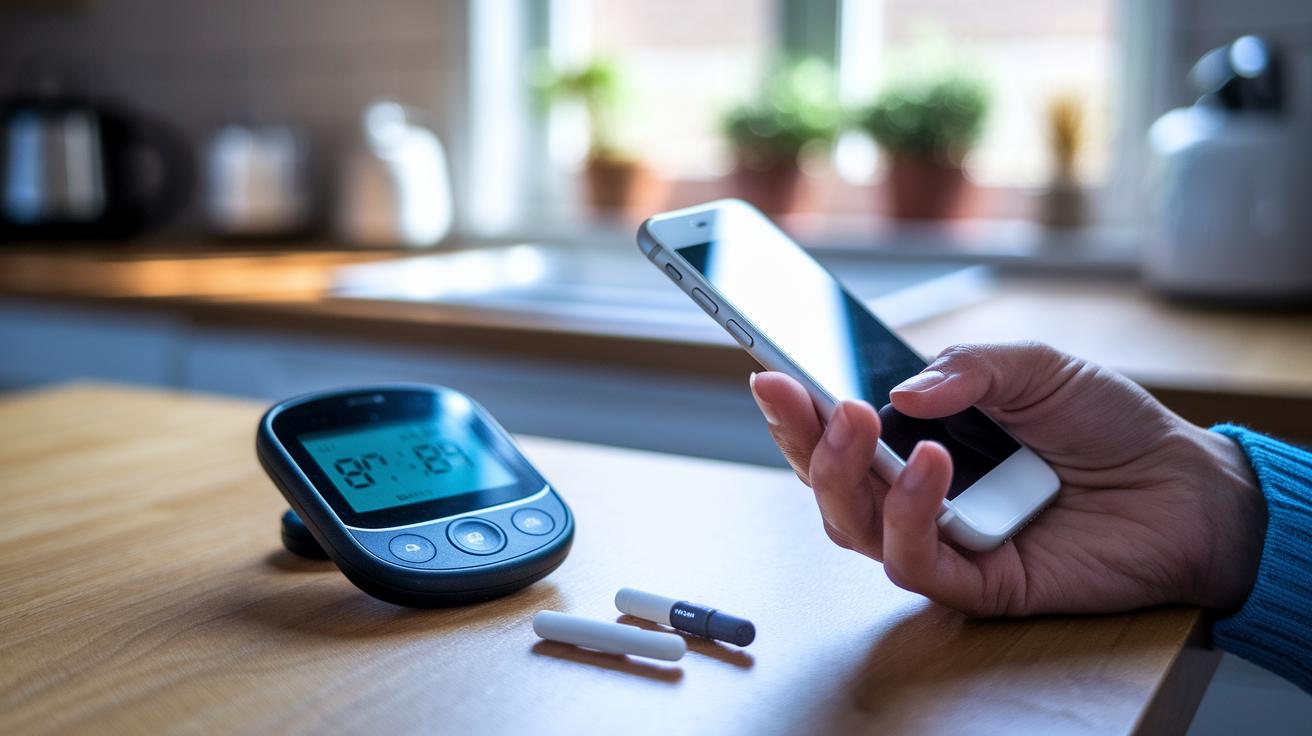
The eye-watering part is price. Ultrahuman charges roughly ₹10,000 for two sensors, enough for one month, which dwarfs the ₹500 finger-prick kit at a pharmacy. But context matters. Each filament samples glucose every five minutes, giving almost 300 readings a day versus two or three manual pricks. For someone optimising athletic performance, diagnosing reactive hypoglycaemia or managing PCOS, that resolution could shave months off trial-and-error. Still, it isn’t a forever subscription. My advice: budget for a single month, capture baseline patterns, tweak diet and exercise, then pause. Insurance rarely covers it, so treat the spend like a one-time health audit.
Alternatives and Apps: How to Choose the Right CGM Service
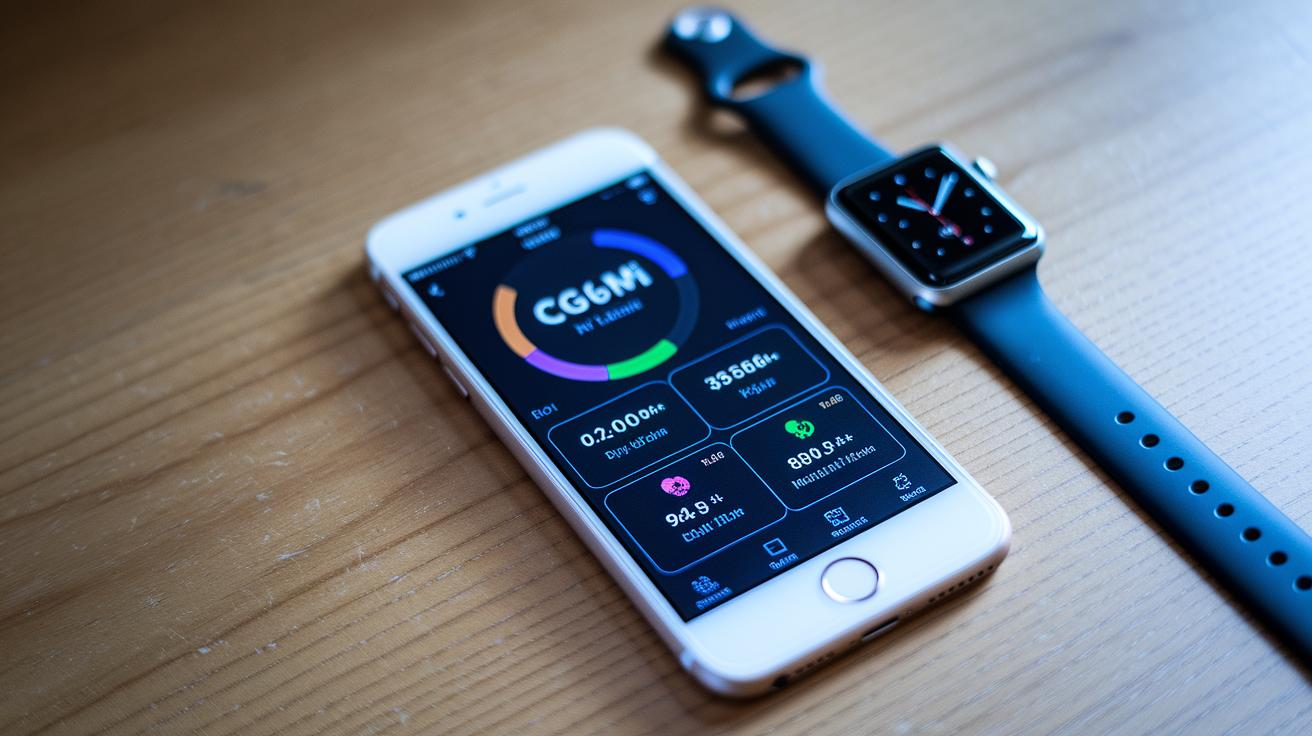
Ultrahuman isn’t the only game in town. Start-ups like SugarFit, HealthifyMe, and the direct-to-consumer arm of Abbott’s FreeStyle Libre all piggy-back on identical Abbott hardware but differentiate through software. When comparing plans, look beyond flashy graphs: Does the app calculate ‘metabolic score’ over days, flag nocturnal lows, or integrate with your smartwatch? Are human dietitians included, or will you decode the charts solo? I preferred Ultrahuman’s habit nudges and Apple Health sync, but a friend chose SugarFit for its bundled nutrition calls at ₹6,000 a month. Whichever route you pick, ensure exportable CSVs, your data should travel with you.