


Have you ever wondered if your home is really safe? Studies reveal that around 75% of houses are missing a few key safety features, and many families overlook simple ways to protect their space.
Imagine this: about half of break-ins start right at the front door. A few basic devices, like smart locks, alarm systems, and clear-view cameras, can truly change the game.
In this article, we dive into the home security essentials that not only safeguard your valuables but also deliver the peace of mind you deserve.
Core Home Security Essentials for Every Residence
Most homeowners don’t have a full security system in place, studies show that about 75% of homes are missing key safeguards. Many families sleep soundly, unaware that simple, crucial protections are not set up. And with half of break-ins happening through the front door, a solid plan is more important than ever.
Getting your home safe usually means investing in devices that watch over your property in real-time and send you quick alerts. Using these handy home safety tips, you can choose the best measures to guard your unique space.
- Alarm systems that alert you instantly when something’s not right
- Surveillance cameras capturing clear images at your entry points
- Smart locks that let you control entry from anywhere
- All-in-One sensors that monitor movement, temperature, and other hazards
- Video doorbells that let you see who’s at your door before you open it
These gadgets work best when they’re connected, forming a tight security network around your home. By combining alarm systems, smart locks, and modern sensors, you create a strong barrier against intruders. This not only protects your valuables but also gives your family the comfort of knowing every entry point is watched over.
Residential Alarm Systems and Intrusion Detection Overview
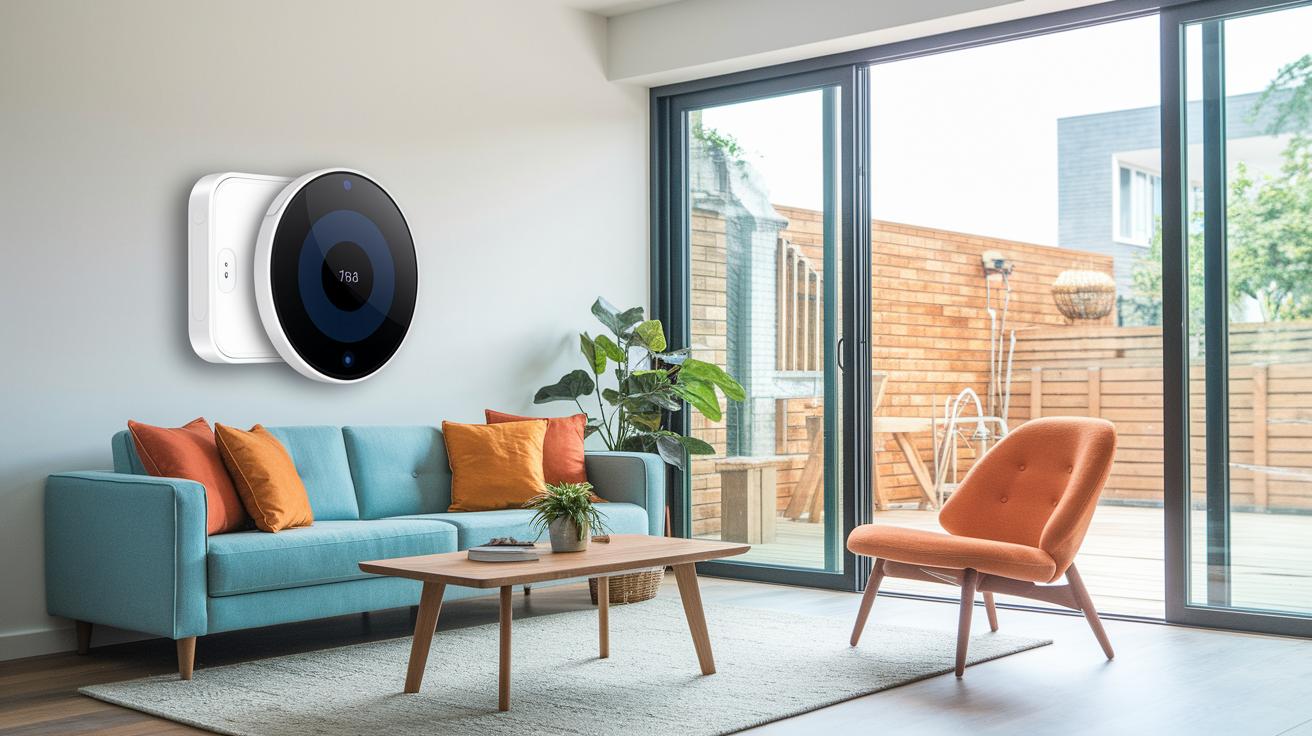
Imagine your home wrapped in a reliable safety net. Modern alarm systems use clever sensors to watch every door and window, and innovative All-in-One units even keep an eye on smoke, carbon monoxide, water leaks, and temperature. It's like having a smart friend who never sleeps, ready to alert you to any unexpected activity.
Central panels have gotten a serious upgrade too. With wireless connectivity and handy app integration, you can get updates wherever you are. So if a door is forced open or a sudden movement is noticed, you'll get an instant nudge to check things out or call for help.
| Sensor Type | Function | Ideal Location |
|---|---|---|
| Contact sensor | Detects door or window openings | Entry doors and windows |
| Motion sensor | Identifies movement within a space | Hallways or main living areas |
| Glass-break sensor | Listens for the sound of shattering glass | Rooms with large or compromised windows |
| All-in-One sensor | Monitors movement, smoke, CO, water leaks, and temperature | Central areas near potential hazards |
These smart sensors create a robust line of defense, especially since many intrusions take advantage of weak doors. With advanced technology, your system not only signals issues as they happen but also helps you stay ahead of potential problems. In the end, managing your home’s security is simple, giving you confidence that your space is protected all day and night.
Surveillance Camera Options for Home Security
Indoor and outdoor cameras each have a special role to play. Indoor cameras work best for checking on your living room or hallway with clear, detailed views. Outdoor cameras, built tough to handle rain or shine, are perfect for keeping an eye on bigger spaces like your driveway or backyard. For example, setting up a wireless camera by your curb can help catch any suspicious movement by your home’s entry.
When you’re choosing a camera, keep in mind how it balances resolution, night vision, and even two-way audio. Models like the Arlo Pro 5S 2K and Arlo Ultra 2 deliver sharp, high-definition footage and strong wireless connectivity that lets you view live feeds on your phone. Plus, two-way audio means you can chat with visitors or even warn off someone unwanted, while great night vision makes sure nothing is missed after dark. It’s almost like having an extra set of eyes around the clock.
Getting your cameras in the right spots is key. Mounting them near main entry points, like your front door or back patio, can discourage intruders and provide useful evidence if needed. A wall or corner installation at a slight angle usually gives you a wider view of your property. In our experience, placing cameras where there’s the most movement really boosts overall security.
Smart Lock Integration and Secure Entry Planning
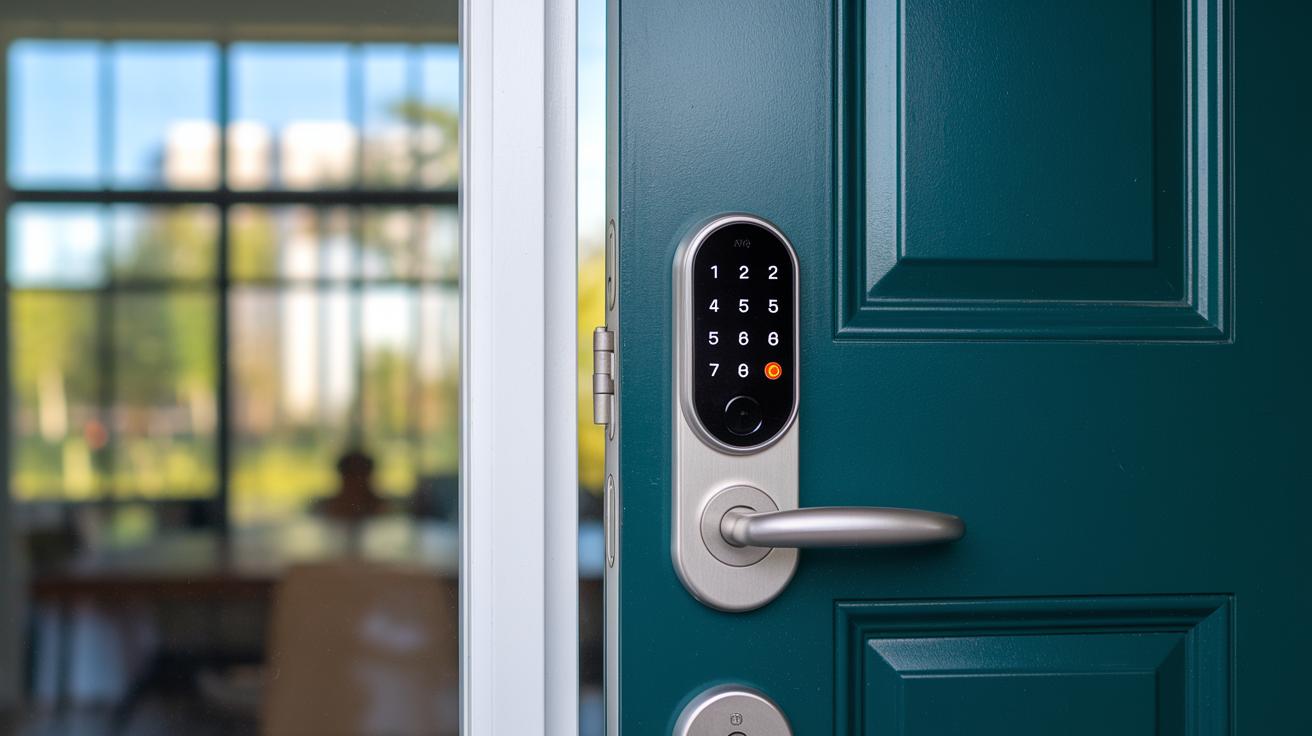
Switching over to smart locks can really boost your home security, especially when you're moving into a new place and need to update your locks. Imagine using keypads, fingerprint scanners, and even Wi-Fi to control your door locks right from your smartphone. It’s like having a secret key that only you can use, no more worries about losing keys or unauthorized entry.
Fun fact: most homeowners used to rely solely on traditional keys, which often led to lost keys or unexpected break-ins. Now, with smart locks, you get to pick who comes and goes with just a tap on your phone.
When planning your entry points, think about placing smart locks on busy doors like the front and back entries. These areas benefit most from remote access and monitoring. You might also add sensors and cameras nearby to keep an extra watchful eye.
By linking these devices to a central security hub, all your gadgets work together like a well-organized team. If one part of the system needs attention, you’ll know in an instant, making your home smarter, safer, and more connected.
DIY Safety Installation Tips and Cost-Effective Monitoring Solutions
Getting set up with your DIY home security can feel like a fun project. Start by reading the simple setup guides that come with each device so you know what to expect. Clear the areas where you'll work and gather a few basic tools, like a screwdriver, a measuring tape, and a level. This stage is all about laying a solid foundation, so make sure you have every component you need, such as All-in-One sensors and camera doorbells.
Next, follow the step-by-step instructions to position your devices perfectly. Place your wire-free floodlights at key spots that cover main entryways. Mount your camera doorbells near important access points to capture clear visuals. Install the All-in-One sensors in areas where they can best pick up movement and any changes in the environment, say, next to a hallway. Even a small tweak like this can really boost your overall coverage.
Finally, keep an eye on your budget by opting for cost-saving options. Look for affordable DIY security deals that throw in extras like free U.S. shipping on safes or a 10% discount when you grab additional accessories. Compare features and prices to choose products that meet your needs without overspending. This smart approach gives you hands-on control over your home safety while keeping costs low and your peace of mind high.
Professional Safety Evaluations and Emergency Monitoring Services
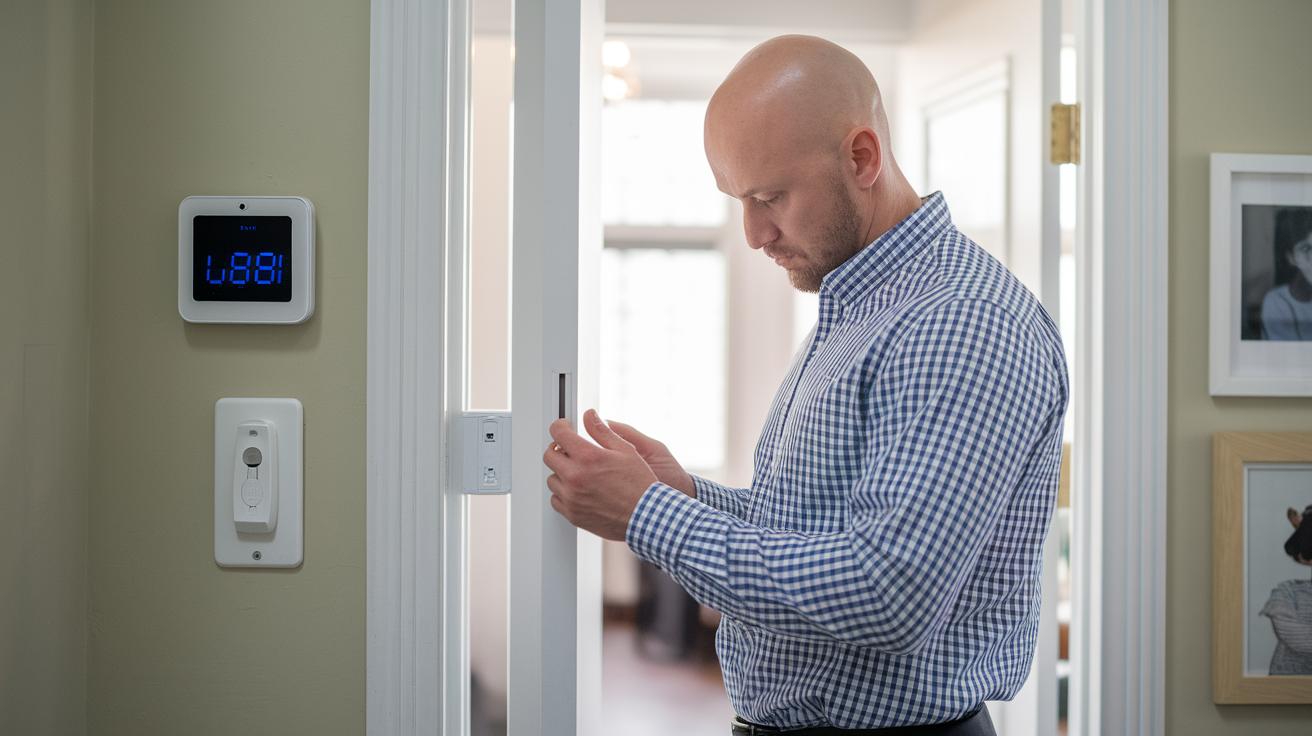
Our experts take a close look at your home's safety, spotting weak spots you might miss on your own. They check everything from your locks and windows to modern features like smart lights and sensors that keep everything secure. It’s a bit like a routine doctor’s checkup for your house, ensuring everything stays in tip-top shape.
When it comes to keeping an eye on things, there are plenty of monitoring options available. Some plans start at just $9.99 a month, offering real-time alerts and even the convenience of remote control. It’s much like choosing between a free and a premium app – the choice is yours based on what suits your needs best.
If you’re watching your budget, there are cost-effective options to keep your home safe without a hefty monthly fee. These budget-friendly plans work around the clock, giving you peace of mind by guarding every corner of your property. Enjoy secure living without stretching your wallet.
Routine Maintenance and Sensor Troubleshooting for Home Security
Every month, take a few minutes to check your sensors. Press the test button on each one and listen for that familiar alert sound, it's like giving your system a quick health check. Also, remember to swap out the sensor batteries every six months. A fresh battery keeps things running smoothly and your home secure. And while you're at it, have a quick look for any signs of damage that might affect its performance.
If a sensor isn’t acting right, take a closer look at its surroundings. Clear away any overgrown plants or debris that could be blocking its view. This little step can make a big difference in how well it works. And if you're considering repairs, be sure to check your warranty terms first, it might cover professional help. Regular maintenance like this helps your security system stay in top shape and keeps your home safe day in and day out.
Advanced Home Security Features: Remote Access and Video Analytics
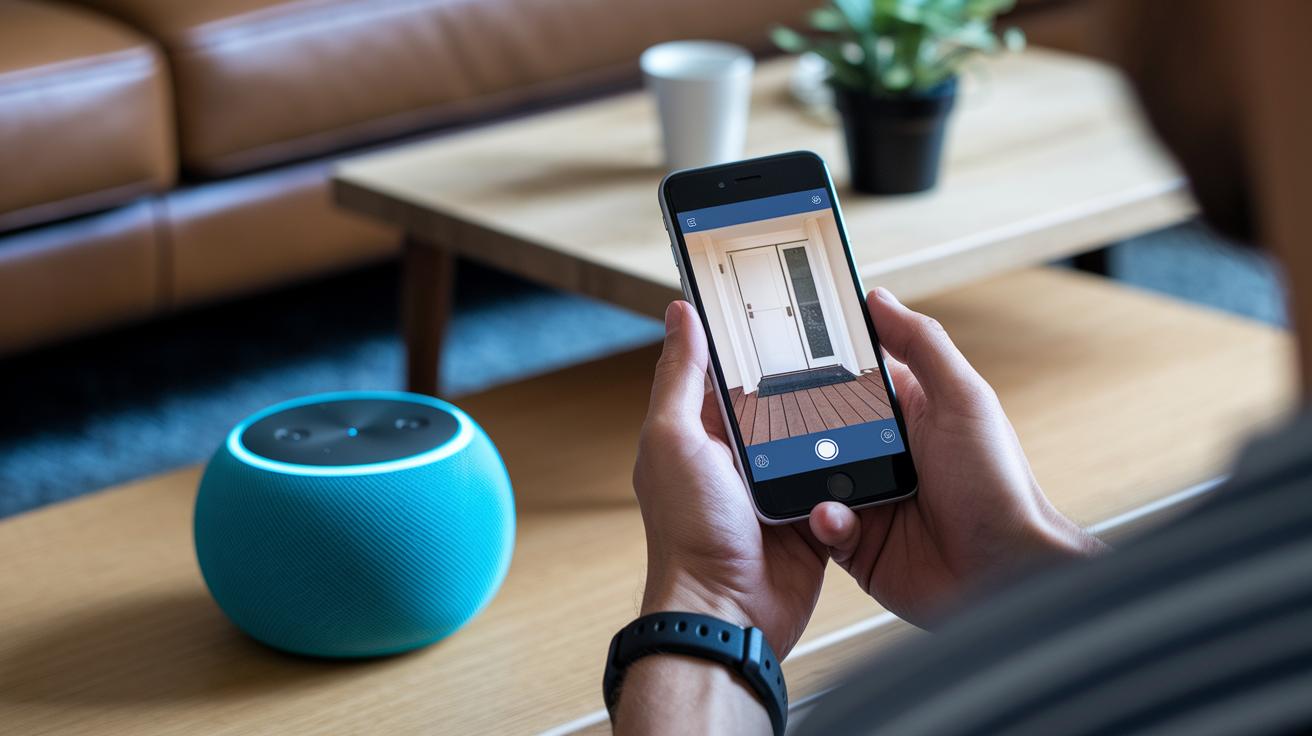
Imagine having your home security right at your fingertips. With mobile apps, you can check in on your property anywhere, anytime. It’s as simple as a few taps to arm, disarm, or peek at live video feeds, and you’ll even get alerts if anything unusual happens. It really feels like having a dependable friend keeping an eye on things 24/7.
And it doesn’t stop there. Voice assistants make it even easier, you can just say something like "Show me the front door," and get your live video instantly, making your security system feel super smart and responsive.
Then there’s the cool video analytics. They let you set up specific zones to watch for movement, so you only get notified when it matters, like when someone approaches your door, not just any random animal or breeze. This smart filtering means fewer false alarms and more focus on what’s important. And when you connect it all with your other smart home devices, your entire security system feels like one friendly, well-organized team looking after you.
Final Words
In the action, we've covered how secure alarm systems, smart locks, and monitoring tools work together to keep your home safe. We looked at easy DIY installations, effective device setups, and trusted expert evaluations that guide you through setting up a secure environment.
Putting these home security essentials into practice makes shopping for safety tools simple and stress-free. Enjoy the peace of mind that comes with a confident, well-protected home and a seamless approach to finding what you need.
FAQ
What are the basic home security essentials?
The basic home security essentials include alarm systems, surveillance cameras, smart locks, sensor networks, and emergency kits. They work together to protect your home from intruders.
What outdoor home security measures should I consider?
Outdoor home security measures include weatherproof cameras, motion-activated floodlights, sturdy locks, and clear entry monitoring. They help protect your property’s outer perimeter effectively.
What creative home security tips and police recommendations should I follow?
Creative home security tips and police advice involve regularly updating door locks, trimming bushes near entry points, smartly positioning cameras, and keeping windows secure to maintain a robust safety barrier.
Which home security system ranks as the best do-it-yourself option?
Top-rated home security systems feature smart functionalities like easy DIY setup, wireless connectivity, intuitive controls, and dependable monitoring, making them ideal for protecting your home efficiently.