


Ever wonder how some campers manage to stay warm on those freezing nights? When the temperature drops, every piece of gear feels like an old friend. Imagine wrapping yourself in a soft, snug sleeping bag or putting up a sturdy shelter that keeps the biting cold at bay.
In this post, we're sharing our favorite winter camping gear picks that transform harsh weather into a cozy retreat. These smart choices mean you can enjoy peaceful, warming nights, making your cold weather adventure both safe and comfortable.
Camping Winter Gear Essentials: Complete Checklist for Cold Weather Outdoor Equipment
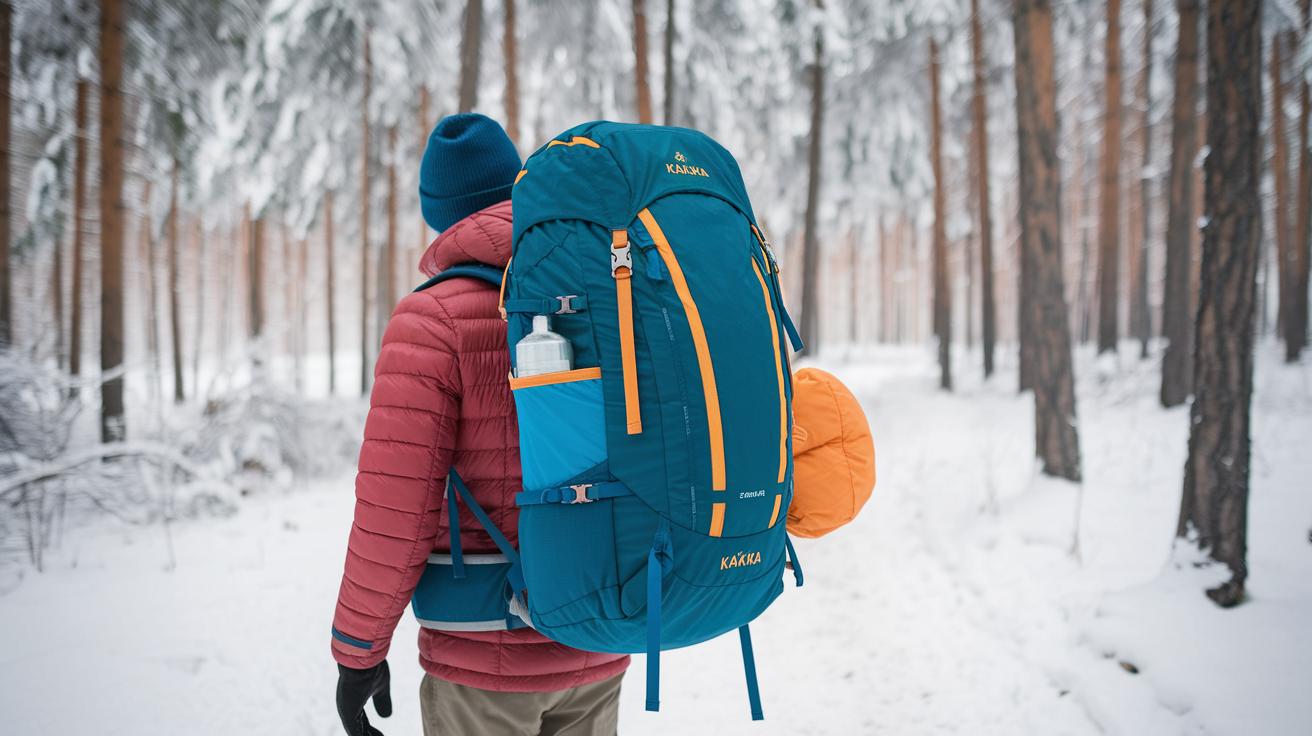
Planning a two-night winter adventure when temperatures dip to about −15 °C/5 °F means every item you pack counts. When the cold is biting, you want gear that's reliable, easy to use, and friendly to your pack. Here’s the lowdown on what to bring.
- Backpack: Grab a 50–60 L pack (think Kajka 55 L) that’s tough but light enough to carry.
- Shelter: Look for a winter-rated tent that fights off harsh winds and freezing weather.
- Sleep System: Choose a sleeping bag that’s rated at least 10 °F colder than the expected lows. Add a liner to boost warmth by 5–25 °F, and pair this with an insulated inflatable pad (with a closed-cell foam pad as backup) plus a comfy option like a Pillowpakers camp pillow.
- Lighting: Pack a compact lantern to light up your tent and a pair of headphones so you can unwind with your favorite tunes.
- Safety/Navigation: Bring a GPS, a paper map, and a compass. For extra peace of mind, include a backup water treatment tool such as a Sawyer filter with a SteriPen.
- Cooking: Use a liquid-fuel stove that works well even when it’s freezing outside. Don’t forget a cookset with a large pot to melt snow and whip up warm meals.
- Hydration: Favor Nalgene bottles made from surgical-grade plastic that can also handle hot water.
- Clothing Layers: Plan out your base, mid, and shell layers carefully to keep moisture at bay and maintain your body heat.
- Hygiene Kit: Pack the basics, simple toiletries and portable sanitation tools to stay fresh.
- Emergency Essentials: Always have a first-aid kit, a bit of extra cash or a credit card, any necessary permits, and other personal items that keep you safe.
It’s all about finding the right balance, gear built for subzero nights should be strong and safe while still fitting nicely into your pack. Enjoy your adventure with the confidence that every item is chosen with your comfort and safety in mind.
Insulated Tent Solutions in Camping Winter Gear

When the temperature drops and the wind starts to howl, a trusty four-season tent becomes your best buddy. It’s not just about putting a roof over your head, it’s about staying warm and dry when the weather turns fierce. A tent built for all seasons, complete with a geodesic frame and a snow skirt, works hard to keep the inside cozy no matter how rough it gets outside.
| Feature | Benefit | Example Use |
|---|---|---|
| Geodesic Frame | Stays steady in windy spots | Perfect for high, exposed ridges |
| Snow Skirt | Stops chilly drafts | Great for deep snow camping |
| Double-Wall Fabric | Keeps moisture at bay | Handles extreme freeze and thaw cycles |
Choosing the right tent footprint makes a huge difference. A larger space lets you build a solid snow platform for extra stability. When setting up, grab a spot that’s shielded from the wind and maybe throw in some insulation tricks like a seam-sealed fly. In the end, the perfect four-season tent is one that feels sturdy yet light enough to carry, making your winter camping experience both safe and enjoyable.
Sleep System Essentials within Camping Winter Gear
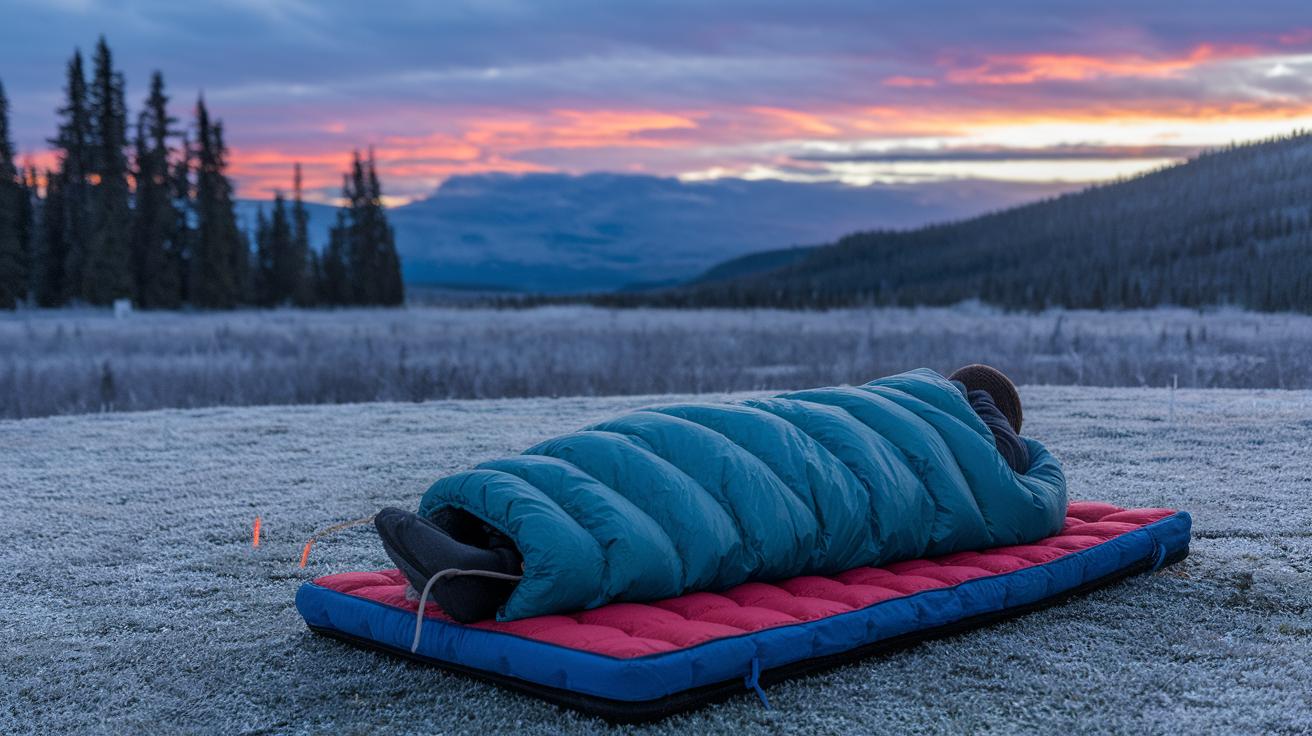
When you're out camping on a frosty night, start with a sleeping bag that's rated at least 10°F lower than what you expect, it’s like having a little extra safety net for a great night’s sleep. Adding a thermal liner can boost that warmth by 5–25°F, giving you an extra cozy layer when the cold really bites.
Next, think about the pad you sleep on. An insulated inflatable pad not only feels comfortable but also keeps you off the cold ground. And just in case, having a closed-cell foam pad as a backup gives you extra insulation and helps stop any leaks from spoiling your night.
A good sleeping pad matters a lot. A quality insulated inflatable pad strikes a nice balance between comfort and light weight, while the closed-cell foam pad is there for those unexpected moments. Together, your sleeping bag, liner, and pad create a snug, warm space even on the coldest nights.
You might also want to consider a camp pillow, like the high-loft Pillowpakers, for a soft cushion for your head. It’s super comfy, though it might take up a bit more room in your pack, a little trade-off you'll have to decide on.
Always keep in mind that every piece of your sleep system plays a role in how warm and comfortable you stay. Balancing how each item fits into your backpack means you’re prepared for the cold without overloading your gear.
Clothing and Layering Strategies for Camping Winter Gear
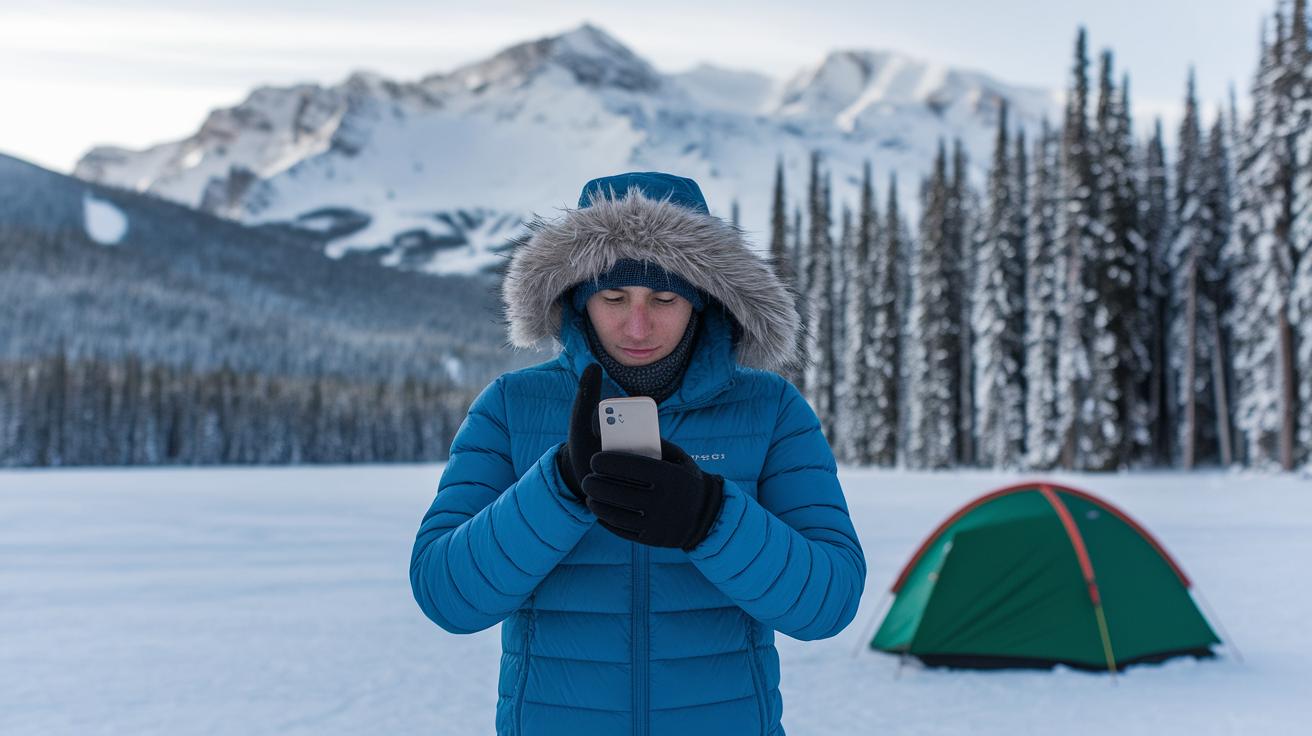
When you're out in the cold, layering your clothes is a game-changer. Think of it like building a mini shield where every layer works together to keep you warm and dry.
Start with a soft base layer that gently wicks sweat away from your skin. Many people choose synthetic fabrics over wool, items like Arc’teryx pieces in 180 g or 270 g are great because they dry fast and help keep your body temperature steady.
Then, add a cozy mid layer. Picture a down jacket teamed up with a warm camp fleece; this combo gives you just the right amount of insulation without weighing you down. It’s light and flexible yet packed with the warmth you need when it gets chilly.
Top everything off with a reliable outer shell. A Gore-Tex waterproof jacket paired with wax-treated snow pants works wonders as they block the wind and any unwanted moisture while still allowing sweat to escape. Even if you run into a surprise shower, you'll stay comfortably dry.
Don't forget the accessories! A glove and liner combo keeps your hands protected, while an insulating hat or sleep cap, along with a buff or balaclava and a pair of sunglasses, shields you from the cold and the bright glare of snow.
And here’s a tip for your feet: insulated boots with extra socks (or even camp booties) work wonders, especially when you're moving around the campsite.
Remember, it's not just about piling on clothes. Keep an eye on how you feel, if you start to sweat, adjust your layers to avoid a chill later on. Enjoy your time outdoors knowing you're prepared for whatever the cold night throws at you.
Cooking and Hydration Gear in Camping Winter Equipment
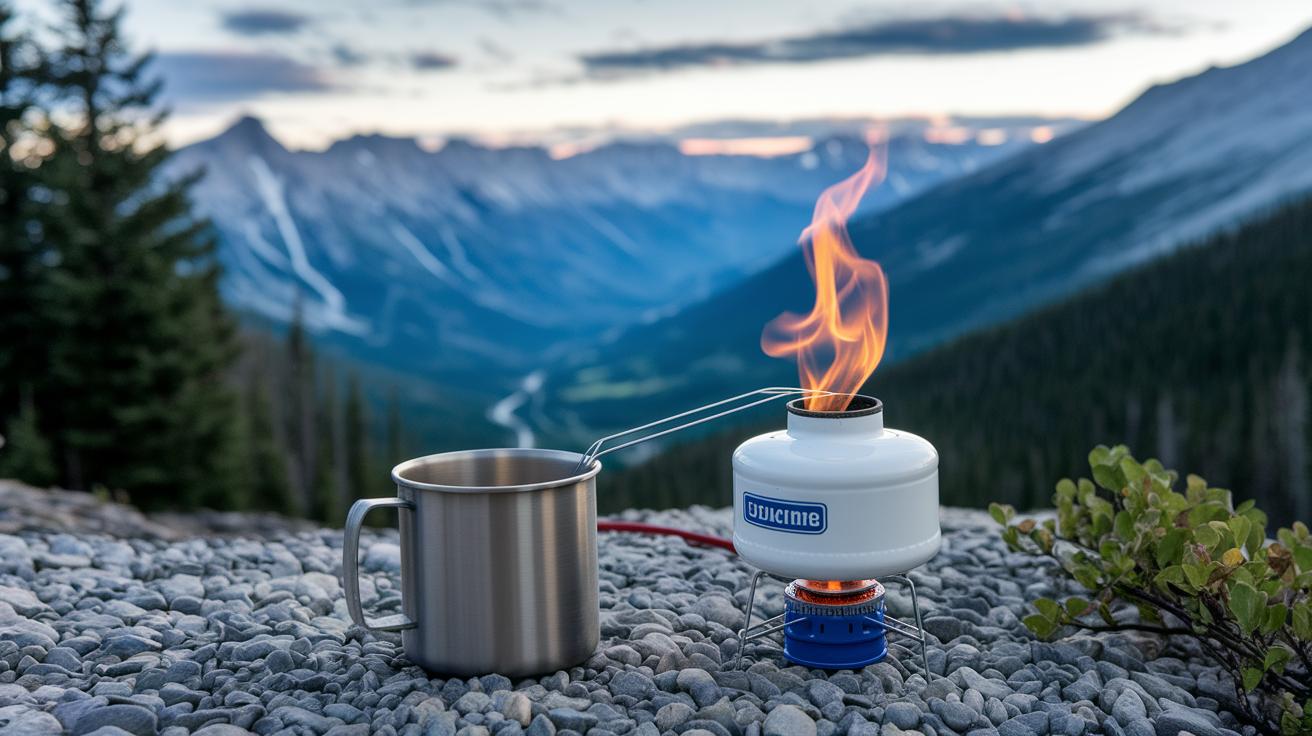
When the temperature drops, a liquid-fuel white gas stove becomes your best buddy. It lights up every single time even when the fuel thickens in the cold. A steady flame is essential for warming up your meal and spirits on frosty nights.
A good cookset can really change your camping game. Think of a large pot that works wonders for simmering stews or melting snow for water. Add a pot liner to make cleaning faster and hold heat better, it transforms everyday ingredients and frozen water into a heartwarming meal.
Choosing the right utensils makes everything even easier. An extra-long spork is super handy for all kinds of dishes, and an insulated mug is just perfect for sipping hot cocoa on a chilly day. Cocoa packets let you whip up a tasty, warming drink in no time.
For staying hydrated, Nalgene bottles are a smart choice. Made from tough, surgical-grade plastic, they handle hot water without any worry. You can even use them as a hot-water bottle to keep your beverages warm when it’s really cold outside.
Navigation, Safety, and Emergency Kits for Camping Winter Gear
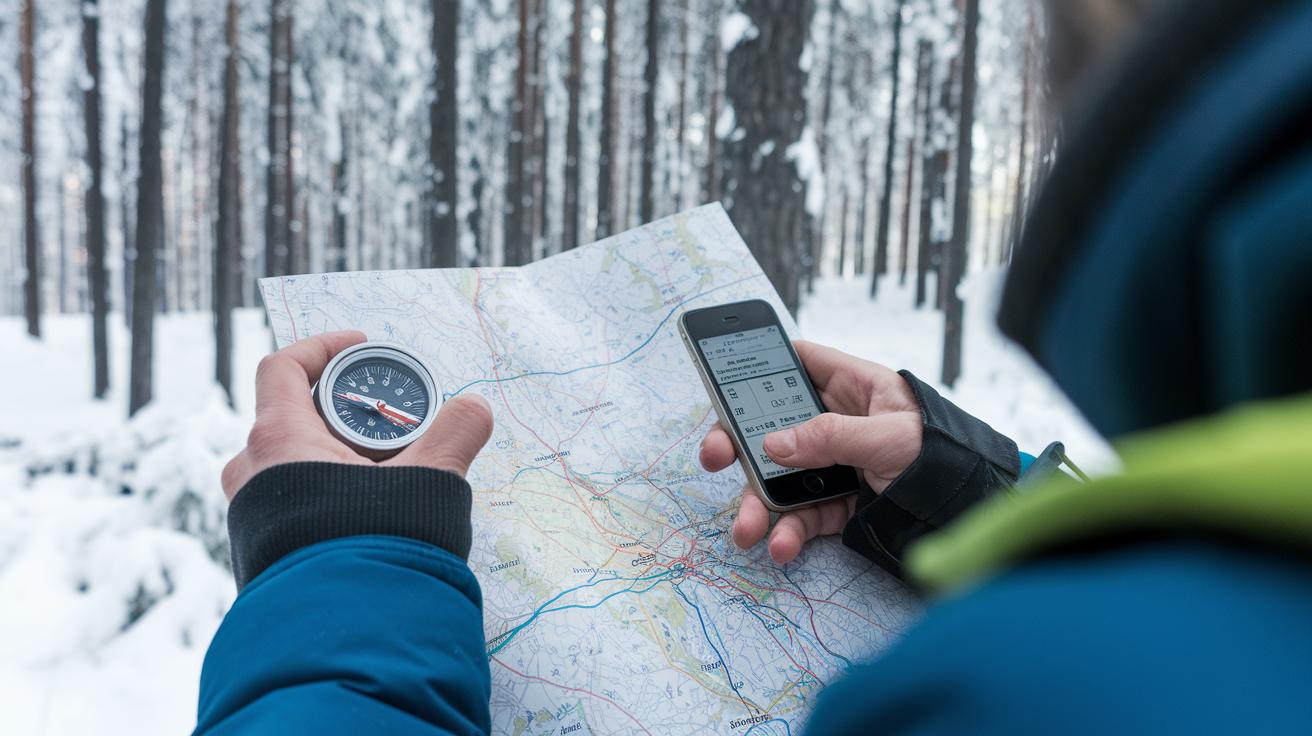
When you're setting out in the cold, it pays to have a few ways to find your way. Bring along a GPS, a trusty paper map, and a solid compass. This mix means if one tool fails, the others are there to steer you right. Ever notice how even seasoned hikers can lose their way without a backup plan?
When you need safe water in freezing conditions, try using a Sawyer filter along with a SteriPen UV as your backup. It’s like having two reliable ways to make sure the water you drink is clean, whether you’re near a quiet, frozen lake or following a snow-lined stream.
Make sure your emergency kit is packed with all the winter must-haves. Think of a complete first-aid kit, a bright headlamp with extra batteries to light your path, fire-starting tools like matches or a lighter, and an emergency blanket to help keep the chill at bay. Imagine the relief of knowing you’ve got all you need to turn a tough night into just another adventure.
Remember to carry some cash or a credit card, any permits you might need, and maybe even a camera to capture those special moments. And don’t forget a portable power bank to keep your phone and other gadgets charged, so you’re always ready to reach out for help if you need it.
Final Words
In the action, we reviewed everything from sturdy four-season shelters and warm sleep systems to smart layering, outdoor cooking, and safety kits, all carefully chosen for braving cold nights. Each section provides clear guidance and practical tips to help you find exactly what you need to beat subzero challenges.
This guide simplifies the hunt for camping winter gear, making it easy to shop securely and confidently. Enjoy exploring and gearing up for a safe, refreshing outdoor experience.
FAQ
What gear is essential for winter or cold weather camping?
The essential gear includes a sturdy 50–60 L backpack, a winter-rated tent, a sleeping bag designed for low temperatures, layered clothing, cooking equipment, navigation tools, and a complete safety kit.
What are the 10 essentials for winter camping?
The ten essentials feature a durable backpack, reliable shelter, insulated sleeping system, base to outer clothing layers, cooking gear, hydration setup, lighting, emergency supplies, navigation tools, and personal safety items.
What temperature is too cold for camping?
The temperature becomes unsafe when conditions drop below levels your gear is rated for—such as below -15°C (5°F)—as equipment failures or limited insulation may lead to risky outdoor exposure.
Where can I find an ultralight winter camping gear list or PDF?
The ultralight winter camping gear list PDF often compiles compact and efficient items like a minimalist shelter, lightweight cooking tools, and streamlined safety gear to simplify cold weather adventures.
What are some cold weather camping hacks and best gear tips?
Cold weather camping hacks involve using versatile gear, smart layering choices, and creative solutions like multi-functional items and hot-water reservoirs, making your winter outdoor experience both safe and comfortable.