


Are your camping supplies in complete disarray? It might be hard to imagine, but having your gear neatly organized can really transform your trip. Imagine packing a bag where every item has its own special place, so when you're out under the stars, you're not wasting time searching for things.
In this article, we're sharing easy tips to tidy up your equipment and save space. That way, you can spend less time fumbling around and more time enjoying the great outdoors. Stick around if you're ready to lighten your load and make your camp sessions a little brighter.
Essential Strategies for Camping Gear Organization
Ever notice how much easier packing becomes when everything is in its place? When your camping gear stays neat and well-maintained, you’re setting yourself up for a smoother, safer trip. Try grouping your kitchen items, like stoves, pans, and mugs, together in one spot, while keeping your meals, spices, and other food things in a separate compartment. Doing a quick clean and drying everything after each trip not only keeps mold at bay but also makes sure your gear is always ready for the next adventure.
Here are some handy tips:
- Clear-out sorting
- Proper bin selection
- Moisture control with desiccants
- Clear labeling
- Seasonal rotation
- Stack optimization
- Regular inventory checks
Sticking to a routine can really pay off. After a weekend camping trip, spend a few minutes cleaning your kitchen gear and ensuring it’s completely dry before you store it away. Square storage bins with ventilated lids work wonders for kitchen items, and sealed tubs are great for keeping electronics and even stoves safe. Toss in a couple of silica gel packets to help keep moisture under control, and use color-coded labels so you can find your stuff without digging through everything. This little extra effort not only saves you time but also boosts your confidence for the adventures ahead. Regularly checking and updating your gear means you can focus on enjoying the great outdoors, knowing every piece is securely stored and easy to find when it really counts.
Categorizing Camping Gear for Streamlined Outdoor Supply Arrangement
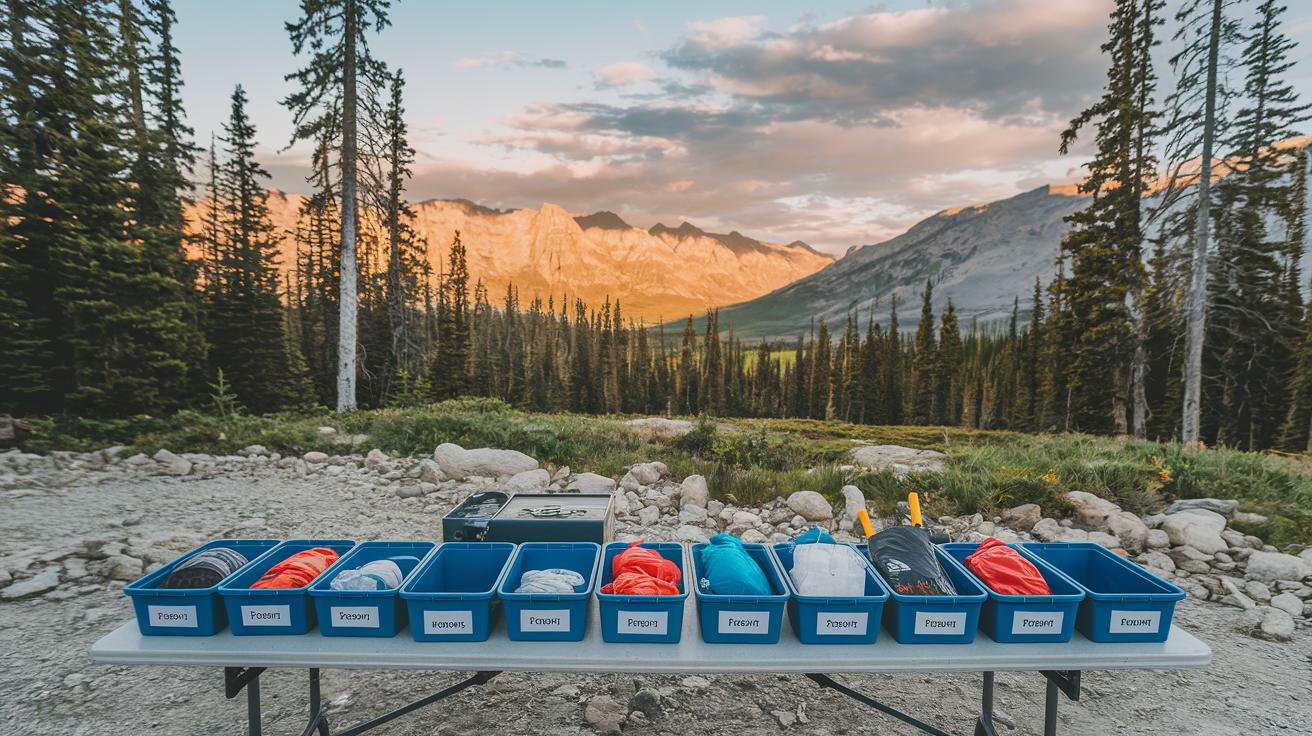
Start by clearing out all your camping gear so you can see exactly what you’ve got. Spread every item out on a flat surface and group similar things together, think camp kitchenware, water filters, those ten camping essentials, shelter and sleep items, clothing, gadgets, and first aid supplies. This hands-on approach makes organizing a breeze and sets you up for a smooth outdoor supply arrangement. Plus, when you see everything laid out, you instantly know where each piece should go.
Then, go through each group and toss aside any duplicates or broken items. Taking a few extra minutes to remove gear you no longer need not only frees up space but also helps you create a neat, updated list of what you have. With this fresh inventory, you can quickly spot what you might be missing for your next trip or decide which items to sell. It’s a smart routine that keeps your storage tidy and makes planning future purchases a lot easier.
Choosing Waterproof Containers and Heavy-Duty Gear Containment Methods
Storing your camping gear can feel like a balancing act. Moisture and pests are always lurking. Damp air can ruin your tents and clothes, while mold and bugs might sneak into your gear. And you know, sensitive items like stoves and electronics need extra care since water can damage batteries and other parts.
Using waterproof containers outdoors is the way to go. They keep water away, stop pests in their tracks, and help your gear stay in top shape. A quick tip: take out batteries before storing devices to dodge any nasty corrosion later on.
| Container Type | Ideal Contents | Moisture-Control Tip |
|---|---|---|
| Square Storage Bin with Ventilated Lid | Tents and Apparel | Add silica gel packets |
| Sealed Plastic Tub | Electronics and Stoves | Include red cedar blocks |
| Tall Laundry Basket | Poles and Oars | Open design for airflow |
When you pick heavy-duty containers, think about how well each one shields your gear from both water and bugs. Square bins are perfect for big, bulky items that need a bit of air, and sealed tubs act as a strong barrier for delicate electronics and cooking gear. The tall laundry basket is great for long items that should stay off the damp ground.
Labeling each container clearly is a smart move, it makes it super easy to find what you need and helps avoid piling things up messily. Keep your storage neat, and your gear will be dry, organized, and ready to hit the campsite at a moment’s notice.
DIY Camping Gear Organization Hacks and Wilderness Equipment Setup
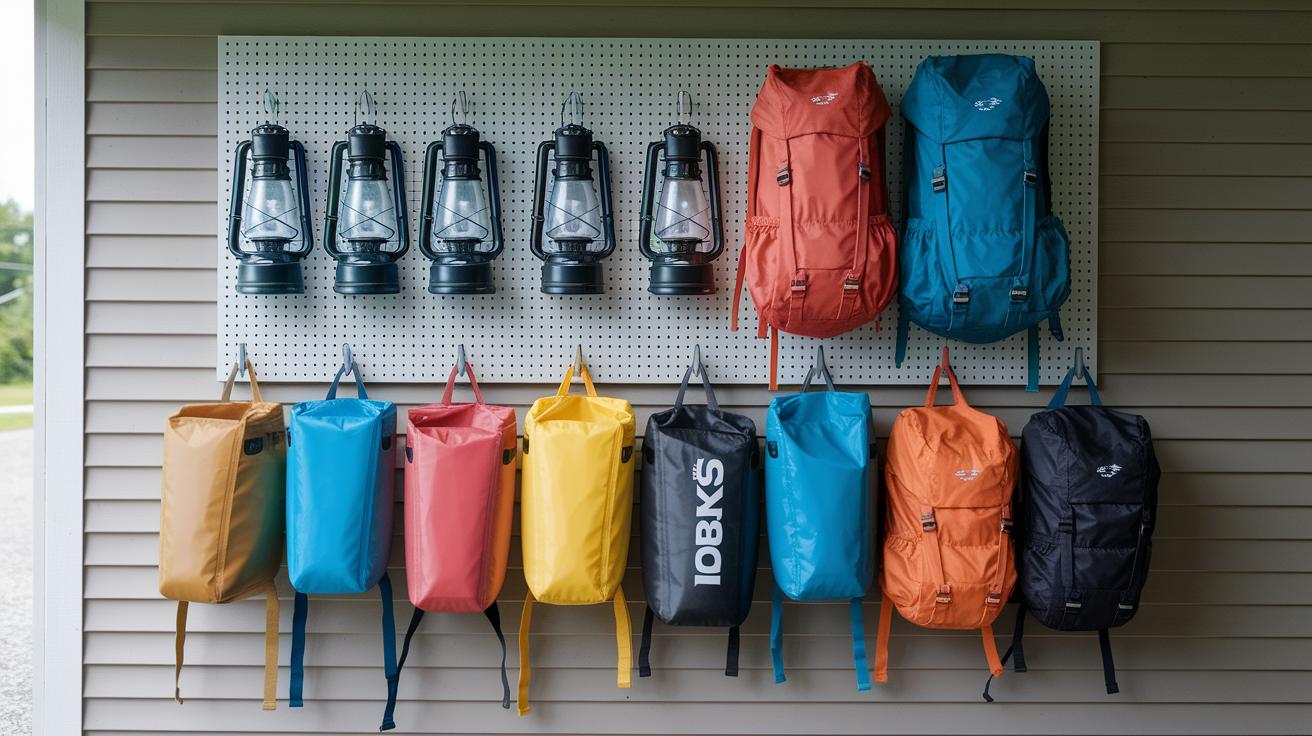
Ever thought about spicing up your camping setup without breaking the bank? With simple, do-it-yourself storage ideas, you can tidy up your gear in a snap. Imagine using everyday items you already own to create a custom storage solution that makes prepping for your trip a breeze. It’s like giving your equipment a quick makeover, saving space and keeping your mornings calm and organized.
For instance, try using an over-the-door shoe organizer to stash small items like headlamps and cutlery where you can see them at a glance. Ever tried tucking tent poles into sections of PVC pipe? It not only keeps them neat but also ensures they’re always easy to grab. Pegboards on the garage wall work great too, offering a simple spot for lanterns and essential tools while cutting down on clutter. Color-coded dry bags are another smart move; they help you sort out sleeping gear and first aid supplies in a flash. And finally, hanging your backpacks on durable hooks can free up precious floor space and keep them ready for your next adventure.
Preparing and Maintaining Gear for Long-Term Storage
Keeping your camping gear fresh is key to a safe and comfy outdoor adventure. When every piece is perfectly dry, you're not just protecting the equipment, you’re also avoiding mold, funky smells, and those frustrating gear failures. Imagine opening a storage box and finding everything ready to hit the trails without a hitch. It’s like reuniting with an old friend who’s always in tip-top shape.
Start by washing your tent with a gentle soap and let it air out in a sunny, breezy spot until it's completely dry. For an inflated sleeping pad, set it upright so it can dry from all sides, and when it comes to sleeping bags, roll them loosely and store them in a breathable cotton sack to keep them fluffy. After cleaning your boots, sprinkle some baking soda inside and leave them in a well-ventilated area to get rid of any moisture. Even backpacks enjoy a quick wipe-down to remove any extra grit.
Taking these steps makes sure your gear is ready for many more adventures, keeping you safe and saving you from any last-minute gear mishaps.
Mobile Camp Preparation Planning and On-the-Go Pack Organization
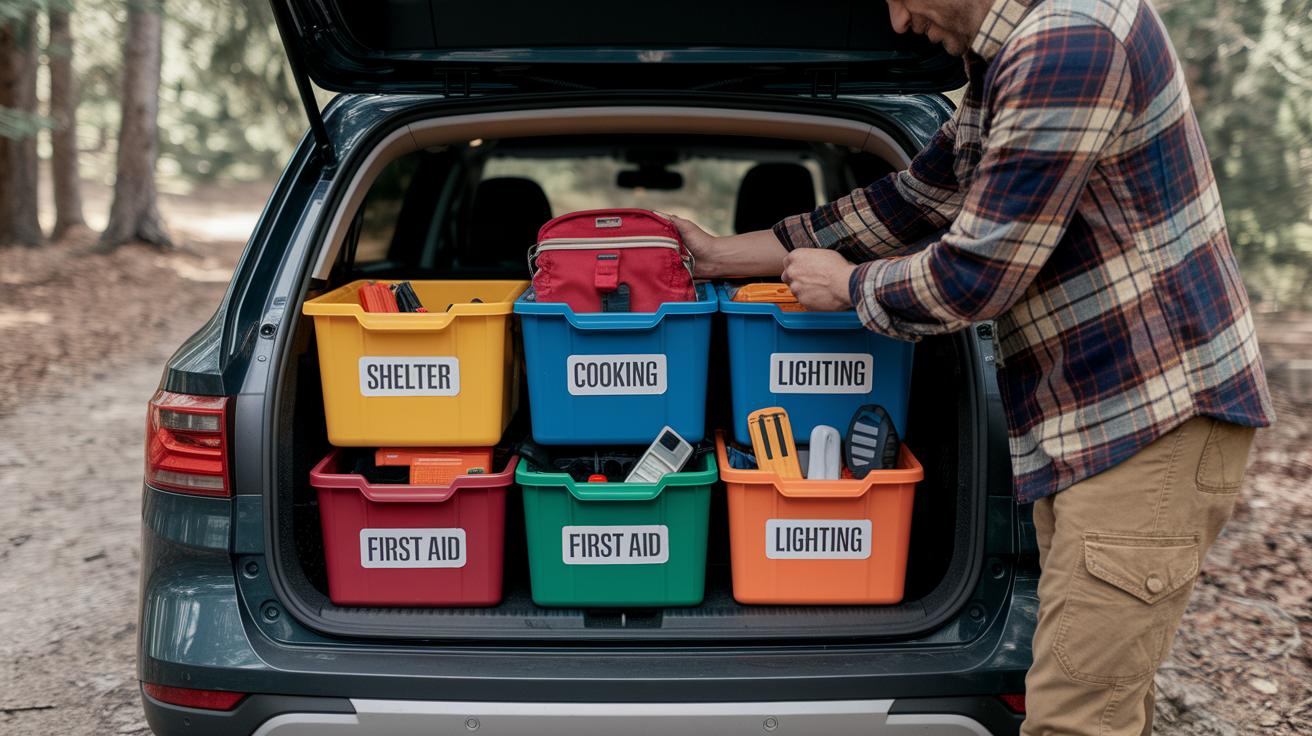
When you're setting off on a road trip or planning a mobile camp, a little pre-planning goes a long way. Start by gathering the essential gear and organizing it based on how often you'll use each item. A simple checklist not only saves time but also makes sure you have everything on hand when adventure calls. Think of your core items, shelter, cooking gear, a first aid kit, tools, and lighting, and plan your setup so the things you need most are the easiest to reach.
Pre-Packing Checklist
Make your checklist easy to follow by splitting your gear into five groups: shelter (like tents and sleeping setups), cooking supplies (stoves, pots, and utensils), first aid (bandages, antiseptics, and medicines), tools (multipurpose gadgets, knives, and repair kits), and lighting (lanterns, headlamps, and flashlights). Arrange these items in order of how often you expect to use them. Stuff you'll need frequently should be right at hand, while items used less often can be tucked away in deeper compartments.
Vehicle Loading Sequence
Start loading your vehicle by placing heavy bins, such as those with kitchenware and food, on the floor to give your load a firm base. Next, layer softer items like sleeping bags and clothing on top to cushion any delicate equipment. Keep smaller accessories in door pockets or small bins for quick access. And don’t forget to label every container clearly. It’s smart to stash an emergency kit under the driver’s seat so that everything you might need is exactly where it should be, just when you need it.
Seasonal Rotation and Long-Term Campsite Storage Strategies
Seasonal rotation is a smart trick to keep your camping gear neat and ready for your next outing. As the seasons shift, move the items you use most into spots that are easy to grab. In the summer, keep your light clothes and water sports gear on high shelves or in clear bins so you can quickly pull them out. When it gets cooler, swap these items with winter gear placed on lower shelves or in bins that you can reach without a hassle. This little change not only keeps everything in great shape but also stops clutter from building up.
When it comes to bigger items like tents, stoves, and other heavy-duty gear, store them in strong, secure containers in your garage or basement. Keeping these areas moisture-free, maybe with something like silica gel, helps protect your gear. For more delicate things such as sleeping bags and padded clothing, a climate-controlled closet is the best bet to avoid dampness and damage. And don’t forget to label your containers; it makes finding exactly what you need for your next camping adventure a breeze.
Final Words
In the action, we reviewed practical strategies that cleanly sort and arrange your gear, from clear-out sorting and careful container choices to smart DIY ideas and seasonal planning. Breaking categories down, we looked at everything from kitchen essentials to mobile pack setups and proper maintenance routines.
Each step builds better camping gear organization, making trips smoother and more rewarding. With a few thoughtful tweaks, you can enjoy an efficient system that keeps your outdoor adventures secure and enjoyable. Here's to easy and stress-free camping every time!
FAQ
What are effective camping gear organization ideas?
The effective camping gear organization ideas involve sorting items into categories, using compartmentalized bins, and labeling containers to keep gear accessible and in great condition for your next trip.
How can I do DIY camping gear organization?
The DIY camping gear organization approach means repurposing common household items—like over-door organizers and PVC pipes—to neatly store small gear, making setup and clean-up simple and cost-effective.
What are some tent camping organization ideas?
The tent camping organization ideas suggest using compact storage boxes and hanging solutions to keep essentials together, reducing clutter and making it easier to set up your sleeping area.
Which camping gear storage containers work best?
The camping gear storage containers option involves using durable, waterproof bins with ventilated lids, which protect items from moisture while ensuring quick retrieval during your outdoor trips.
What outdoor gear storage ideas can improve space?
The outdoor gear storage ideas include using labeled bins, vertical stacking, and moisture control methods to keep your supplies organized and ready for use, boosting efficiency on every venture.
How do I store camping gear in a small apartment?
The method to store camping gear in a small apartment focuses on using compact, stackable solutions and allocating specific spots for frequently used items, which maximizes your limited space.
What are some recommended hiking gear storage ideas?
The recommended hiking gear storage ideas involve using wall-mounted racks, designated bins, and shelves to keep items organized by type, ensuring gear is always within reach for your outdoor adventures.