
Ever been caught in a sudden downpour during a hike? Imagine your rain gear acting like a trusty friend, keeping you dry no matter how hard nature tries to surprise you.
Today, we’re sharing a few top picks from experts. These items mix light, airy designs with real waterproof strength. You’ll find tough jackets that protect you like a shield and ultra-light options that slip easily into your pack.
Get ready to embrace every outdoor moment, no matter what the skies decide to do.
Expert Roundup: Best Rain Gear for Hiking
The Patagonia Torrentshell 3L is a real standout, using a tough three-layer design that blends durability with solid waterproofing. It's built for those who don’t mind a bit of extra weight, especially when you’re tackling long hikes. Imagine walking through a downpour with a jacket that feels like your own personal storm shield.
Arc’teryx Beta SL is another great choice, especially when the rain is heavy, and the weather turns wild. This jacket’s fabric is designed to keep you dry under even the most intense conditions, making it a reliable companion on unpredictable alpine treks.
Outdoor Research’s Foray 3L/Aspire 3L focuses on keeping you cool when you’re on the move. With extra-long pit zips for top-notch ventilation, it ensures your sweat doesn’t slow you down. It might feel a little snug for those with broader shoulders, but it does a fantastic job managing moisture so you stay comfortable on your journey.
If you’re looking for something ultra-light, Norrona Falketind Dri1 is hard to beat. Weighing in at under nine ounces thanks to its efficient 2.5-layer setup, it’s perfect for alpine adventures and high-energy climbs where every ounce counts.
Montbell Versalite really amazes with its feather-light weight of just six ounces. Its design lets it fold down to a size that’s almost as small as an apple, making it easy to pack while still offering firm protection. Picture a jacket that’s practically invisible in your backpack until you need it most.
REI XeroCloud 3L mixes durability with a bit of stretch, giving you room to move over rugged terrain. It’s designed with comfort in mind, though it might not compress quite as neatly as some of the ultra-light hitters on the market.
For those on a budget, REI Rainier offers a solid, everyday option. With a practical button closure and an oversized hood, it gets the job done by keeping the rain at bay. It might not have all the bells and whistles of pricier models, but it’s a reliable pick for your rainy day hikes.
Evaluating Performance: Rain Gear Metrics for Hiking
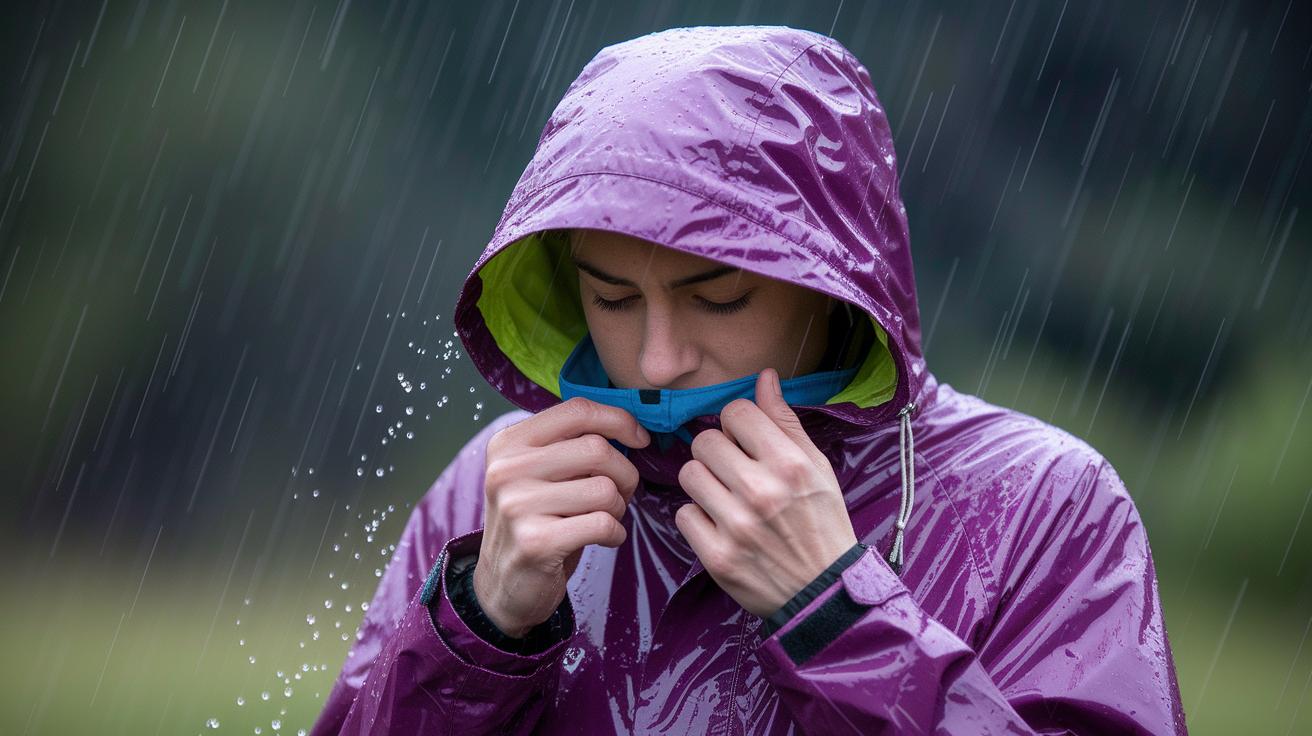
Waterproofness is shown by something called the hydrostatic head rating. This number tells you how much water pressure a fabric can handle before it starts to leak. For instance, a jacket rated at 10,000 mm will keep you dry even when the rain is pouring down.
Many top-rated jackets use a three-layer design. That means they have an outer fabric treated with a water-repellent finish, a waterproof layer in the middle, and a soft inner lining for comfort. Some jackets use a 2.5-layer design instead, which makes them lighter while still protecting you well. Imagine wearing a jacket that feels as light as a feather in a sudden downpour but stays strong against rough weather.
Breathability is another big deal. Designers use tiny-pored membranes that let sweat escape while keeping water out. Some jackets even include pit-zip vents that you can adjust for extra airflow when you're moving fast. It’s like having little windows that keep you cool even when your hike gets more intense.
Then there’s the balance between weight and durability. Lighter gear is easier to carry but might not hold up as well on rough terrain. Look for handy features like taped seams that prevent leaks, adjustable hoods that shield your head, and collars that help keep water off your neck. These little details can greatly improve your hiking experience.
All these features work together to help you pick the perfect rainwear, one that shields you from the storm without bogging you down on the trail.
Matching Rainwear to Hiking Scenarios
If you're planning a day hike in a mild climate, a simple rain jacket or even a lightweight umbrella can do wonders. Picture yourself stepping out with an almost invisible but effective shield that keeps you dry and lets you move freely. For shorter treks, keeping it comfortable and light is the name of the game.
When you’re gearing up for a multi-day backpacking trip, a jacket with a 2.5- to 3-layer build is a smart pick. These jackets compress really well and still block out the rain without making you feel stifled. Think of it as a jacket that slips neatly into your pack, always ready to help out when needed but so light you hardly notice it.
For alpine routes, things can get a bit tougher. In these situations, a solid, stormproof parka is your best buddy. Its sturdy design and high-quality water-blocking fabric act like armor during heavy winds and downpours, ensuring you stay protected even when the weather turns wild.
And if you're off on a budget-friendly overnight trip or a casual hike, options like ponchos or rain pants can work great. They offer the basic moisture protection you need without any extra frills that might sit unused on a short outing.
- Day hikes: simple, lightweight rain jacket or umbrella
- Backpacking: 2.5- to 3-layer packable shells
- Alpine climbs: robust, stormproof parkas
- Budget trips: ponchos or rain pants
Remember to consider the location, season, duration of your trip, and your budget when choosing your rain gear. Matching the right outfit to your hiking adventure will help keep you dry and comfortable, no matter how wet things get.
Beyond Jackets: Alternative Rain Protection for Hikers

Sometimes a heavy jacket isn’t the answer when the rain surprises you. Instead, think about other options that give you just the right cover without any extra bulk. Picture an ultralight hiking umbrella that pops open in seconds. It acts like your own mini canopy, perfect for when you need a quick shield without extra weight.
A poncho is another cool choice. It’s loose, comfy, and friendly on your wallet. But if the wind picks up, it might not hold up too well. Rain pants, while a bit heavier, offer solid protection from scrapes and add some warmth when the trail gets a bit rough. And on those sweaty, drizzly days, a rain kilt can be the ticket. It’s super light and keeps your lower half dry without adding bulk.
| Gear Type | Weight | Best For | Drawbacks |
|---|---|---|---|
| Ultralight Hiking Umbrella | 6–10 oz | Upper-body coverage with room to breathe | Only covers the upper body |
| Poncho | Lightweight | Budget-friendly, relaxed fit | Struggles in strong winds |
| Rain Pants | Heavier | Great for rugged trails and extra protection | May feel bulky on longer treks |
| Rain Kilt | Very lightweight | Perfect for warm days when you need lower-body cover | Doesn’t offer full-body protection |
Maintaining Waterproof Gear for Long-Term Use
Keep your rain gear in top shape with some easy care tips. Wash your jacket in cold water using a mild detergent, treat it like you’re washing your favorite sweater. Skip the harsh chemicals like fabric softeners that could ruin its waterproof magic. Using strong detergents or hot water can break down that special waterproof layer.
After about 20 to 30 washes, it’s a smart move to spray on a durable water repellent (DWR) to help the jacket keep water at bay. Once it’s clean, let it air-dry naturally or use a low heat setting in the dryer. It’s like giving your jacket a gentle breeze that keeps it performing its best.
Storing your rainwear properly is just as important. Keep it loosely folded in a cool, dry place to avoid mildew or fabric stress. Check your gear regularly and swap out any worn waterproof zippers or seam tape, since these little details make a big difference in performance.
And don’t forget about your wicking mid-layers. They pull sweat away from your skin so you stay dry, even when your jacket is busy keeping heavy rain outside.
Budget-Friendly vs Premium Rainwear Options for Hikers

When picking out rain gear, it’s all about balancing your budget with what you need for a good hike. For example, the REI Rainier is a friendly entry-level choice at about $80. It comes with a roomy hood and offers solid rain protection, making it a great, wallet-friendly option for stormy adventures. And if you're after more affordable finds, you might want to check out Cheap Camping Gear.
On the premium end, the Arc’teryx Beta SL is a real standout, though it comes with a higher price tag of around $375. This jacket boasts excellent waterproofing that keeps you dry even during heavy rain in tough weather. Sure, it’s a bit heavier and costs more, but you’re paying for top-quality materials and a longer-lasting product.
If you’re somewhere in the middle, consider the Patagonia Torrentshell, which runs about $149. Its sturdy three-layer build gives you reliable waterproofing, though it might feel a bit heavier on longer hikes. Another option is the Montbell Versalite, roughly $199, which is nearly ultralight and designed to pack up nicely. It gives you the essential rain protection without weighing you down on multi-day trips.
In the end, choosing the right rain gear is all about weighing factors like durability, weight, and cost to match the needs of your unique hiking adventures.
Step-by-Step Buying Guide: Choose the Best Rain Gear for Hiking
-
Think about where you'll be and how you plan to use your gear.
When you're matching gear to wet weather, check out our usage scenarios. For example, if you know you'll be in heavy rain on long hikes, our performance tips help you figure out what works best without covering every detail over again. -
Look into the waterproof features.
Instead of going over waterproof ratings and breathability again, swing by our performance metrics section. You'll see specs like a 10,000 mm hydrostatic head paired with smart ventilation that keeps you both dry and comfy. -
Check out how light and packable the gear is.
Our detailed product insights highlight options that are ultralight and super compact. Imagine a rain shell that's under 10 oz, perfect if you're looking to keep your pack light without losing any protection. -
See what real users have to say.
Our field reviews share genuine insights on features like adjustable hoods and pit zips. Reviewers often mention how a well-designed hood can really hold up under heavy rain, adding that extra layer of comfort and security.
Final Words
In the action, we broke down top picks, from rugged three-layer jackets to smart alternatives like umbrellas, ponchos, and rain pants. We looked at waterproof ratings, breathability, and weight trade-offs so you can pick the right gear for your trail. Our guide also shared tips for caring for your rainwear and offered helpful comparisons between budget-friendly options and higher-performance pieces. Now you’re ready to face wet trails with confidence and rhythm in the best rain gear for hiking.
FAQ
What is the best rain gear for hiking according to Reddit recommendations?
The best rain gear for hiking, as highlighted on Reddit, features lightweight yet durable materials with top-notch waterproofing, such as the Patagonia Torrentshell 3L and Arc’teryx Beta SL, ensuring reliable performance on the trail.
What are the best raincoats for heavy rain?
The best raincoats for heavy rain are built with robust waterproof membranes and advanced seam constructions that keep you dry during intense downpours, offering dependable protection when storms hit.
What are the best rain gear options for hiking women and men?
The best rain gear for both women and men includes designs specifically crafted for fit and comfort, such as the Patagonia Torrentshell and similar models, delivering lightweight, breathable protection for any hiking adventure.
What is the best rain jacket for hot weather and travel?
The best rain jacket for hot weather and travel combines ultralight design with superior ventilation, ensuring you stay cool and dry on the go without the bulk of heavier options.
Are Frogg Toggs really waterproof and effective as rain jackets?
Frogg Toggs are known for their budget-friendly waterproof performance; they work well in light rain and offer a quick-dry solution, though they may not be as durable in extreme weather compared to premium alternatives.
What are the best rain pants for hiking?
The best rain pants for hiking provide a lightweight, flexible design that resists abrasion and moisture, pairing well with quality jackets to keep your legs dry and comfortable on wet trails.
What is the best waterproof hiking jacket available?
The best waterproof hiking jacket is engineered with a high hydrostatic rating, superior seam sealing, and breathable features, making it an ideal choice for long trail use in heavy rainfall.
How do top models like the Patagonia Torrentshell 3L and Arc’teryx Beta SL stand out?
These models stand out due to their high-quality, multi-layer constructions and thoughtful design details, which optimize waterproof performance and breathability, catering to diverse hiking needs in various weather conditions.