


Have you ever set out on a hike without the right gear? Imagine being out in nature when the weather suddenly turns or the path gets tricky. In those moments, having reliable survival gear can mean the difference between a peaceful walk and an unexpected scramble.
Our picks include tools for staying hydrated, finding your way, and handling a sudden emergency. Think of it like this: a good water bottle, a clear GPS or map, and a handy first aid kit can turn a challenging situation into just another part of your adventure.
In this guide, we share gear choices that help keep things safe and comfortable, even when nature has a few surprises up its sleeve. Enjoy your hike knowing you’re prepared, and let your adventure continue with confidence.
Essential Survival Gear for Hiking
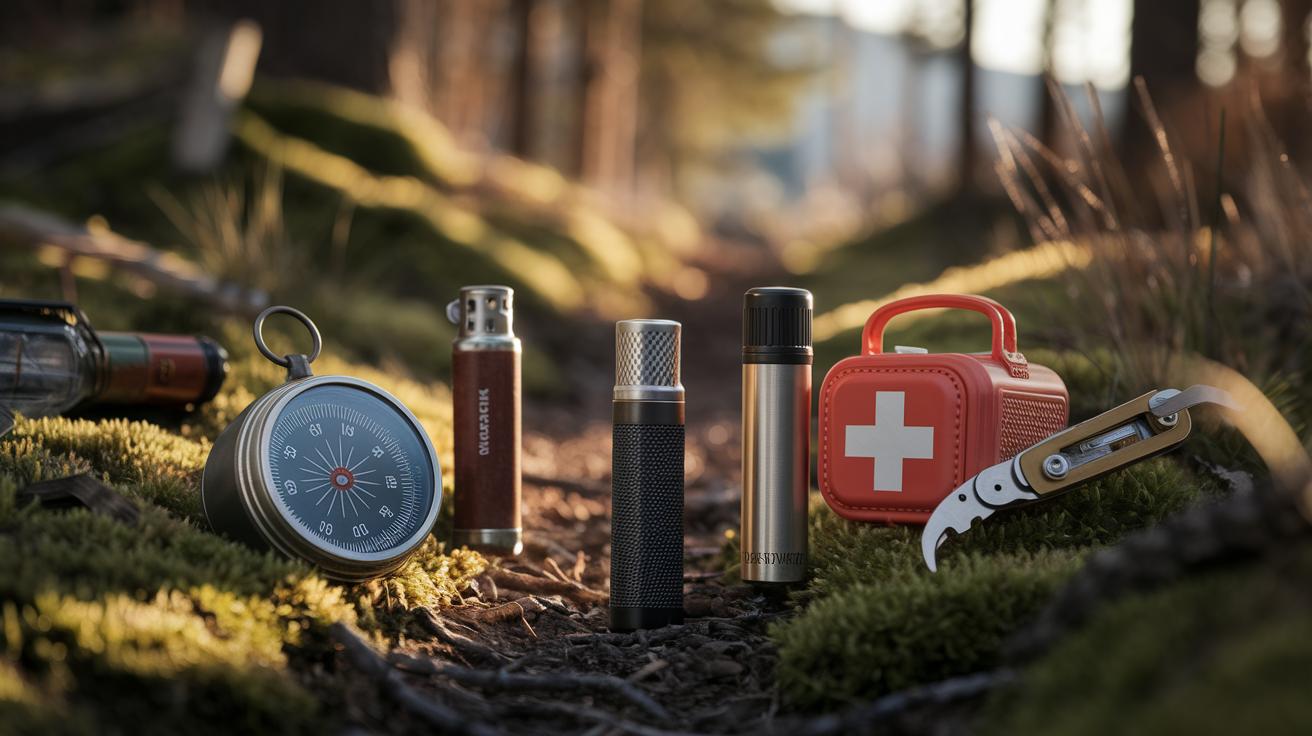
Every piece of equipment you pack might just be your lifesaver when you're out on the trail. The right survival gear isn’t just about carrying basics like water, food, and shelter, it’s also about making sure you’re set with navigation, starting a fire, lighting your path, treating minor injuries, fixing things on the fly, and even signaling for help. Each item helps guard against a specific risk, so you’re never caught off guard when nature throws you a curveball.
When you’re hiking, having the right gear means you can smoothly handle sudden weather changes, small scrapes, or even losing your way without breaking a sweat. Trusting in time-tested products means your adventure is not just safer, but more comfortable too. You get to fully enjoy your surroundings while feeling secure and ready for anything.
- UST Survival Rations – Fuel your hike with high-calorie meals designed to keep your energy high.
- CamelBak H.A.W.G – Equipped with a 100 oz Mil-Spec Crux Reservoir, it meets your water needs so you stay hydrated.
- Lifestraw Universal Filter – Lets you drink safely from natural sources wherever you wander.
- Emergency Sleeping Bag – Locks in warmth to help fend off hypothermia during surprise overnight stops.
- Brunton TruArc 7 Compass Plus Waterproof Map – Keeps you on track even when modern tech might let you down.
- Überleben Zünden Bushcraft Fire Steel – Provides up to 20,000 strikes, giving you a reliable way to start fires in any weather.
- Headlamp and Leschi Flashlight – Offer hands-free lighting for all your nighttime tasks.
- Surviveware Small First Aid Kit – Comes stocked with essentials like bandages and scissors for quick fixes.
- 12-pc Outdoor Survival Multi-tool Kit – Packs versatile tools in one handy kit for any repair or emergency need.
- Paracord and Emergency Whistle – Double as both gear securement and a communication tool for calling help.
This versatile setup not only tackles specific hazards but also builds your overall confidence, turning each hike into a safer and more enjoyable adventure.
Hydration and Nutrition Gear for Hiking Survival
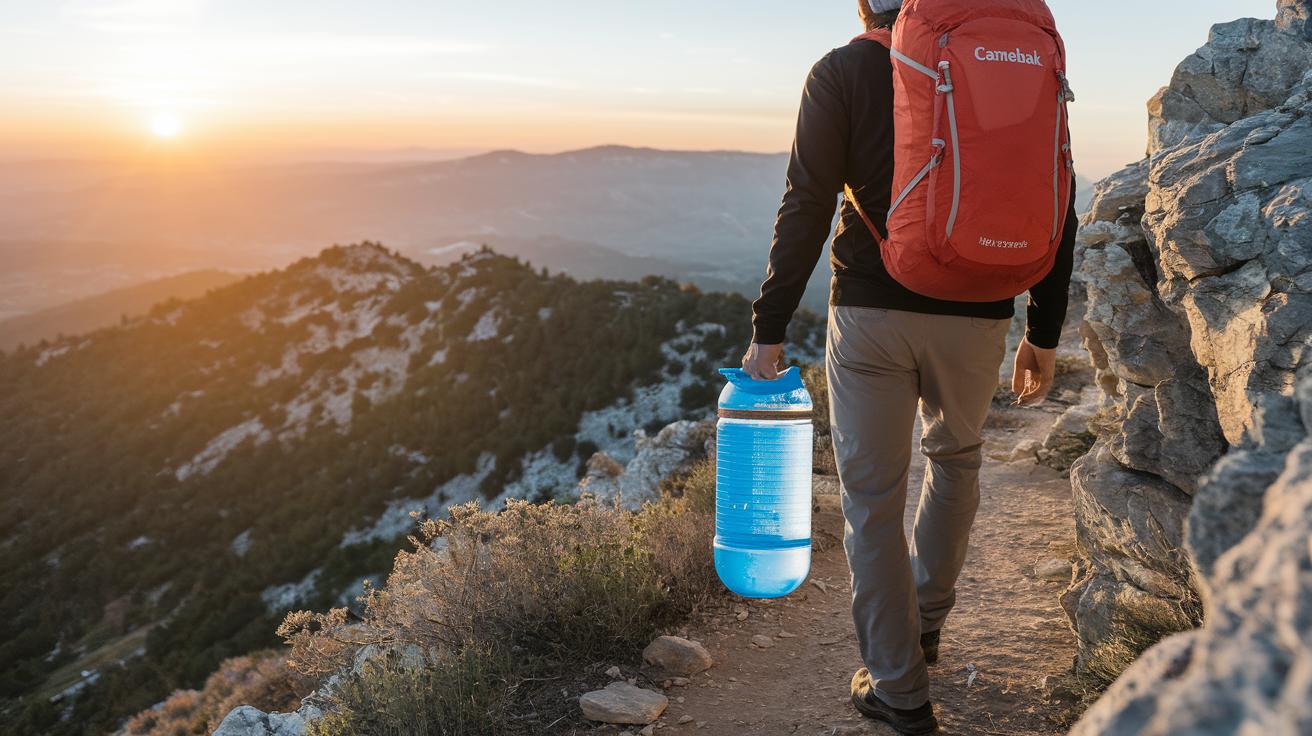
Staying hydrated while you hit the trail is key. Imagine having 3 or 4 liters of water with you, it's a game changer when you're out in the wild. The CamelBak H.A.W.G is a smart pick; it comes with a 100 oz reservoir and nifty clip points that let you grab a sip in no time. And when you’re uncertain about water quality, the Lifestraw Universal filter acts like your personal water purifier, keeping you safe even in remote spots. It’s a no-brainer addition to any outdoor emergency kit.
Food is just as important as water. High-calorie UST Survival Rations fuel your body like a top-up for your energy tank during long hikes. Pair them with sustainable eating gear such as the To Go Ware Bamboo Utensil Set, which even includes a collapsible bowl and cup, perfect for keeping things light and eco-friendly. When packing, remember that while calorie density matters, keeping your pack light is crucial. Balancing nutritious food with a travel-friendly design keeps you moving with confidence every step of the way.
survival gear for hiking: Reliable Picks for Safety

An emergency sleeping bag is a must-have when you're out on the trail. It works like your own little warm cocoon that holds your body heat, keeping you safe from hypothermia if you have to stop unexpectedly or face a sudden change in the weather. Whether you get caught in a cold drizzle or a rapid temperature drop, this bag will help maintain your core warmth until you can find shelter. It even performs well in damp or shifting conditions, making it an essential part of any outdoor emergency kit.
All-weather thermal blankets are another smart pick. They do double duty as a rain tent or ground cover, and they weigh less than 3 ounces, so they're light but still pack a punch when it comes to insulation against cold and damp air. You shouldn't overlook insect head nets either; they protect your face from pesky bugs without adding extra weight to your pack. Always choose gear that's rated for colder temperatures than you expect to face on the trail. This little extra safety net means you'll stay comfortable and secure, no matter what surprises nature throws your way.
Navigation and Signaling Gear for Hiking Survival
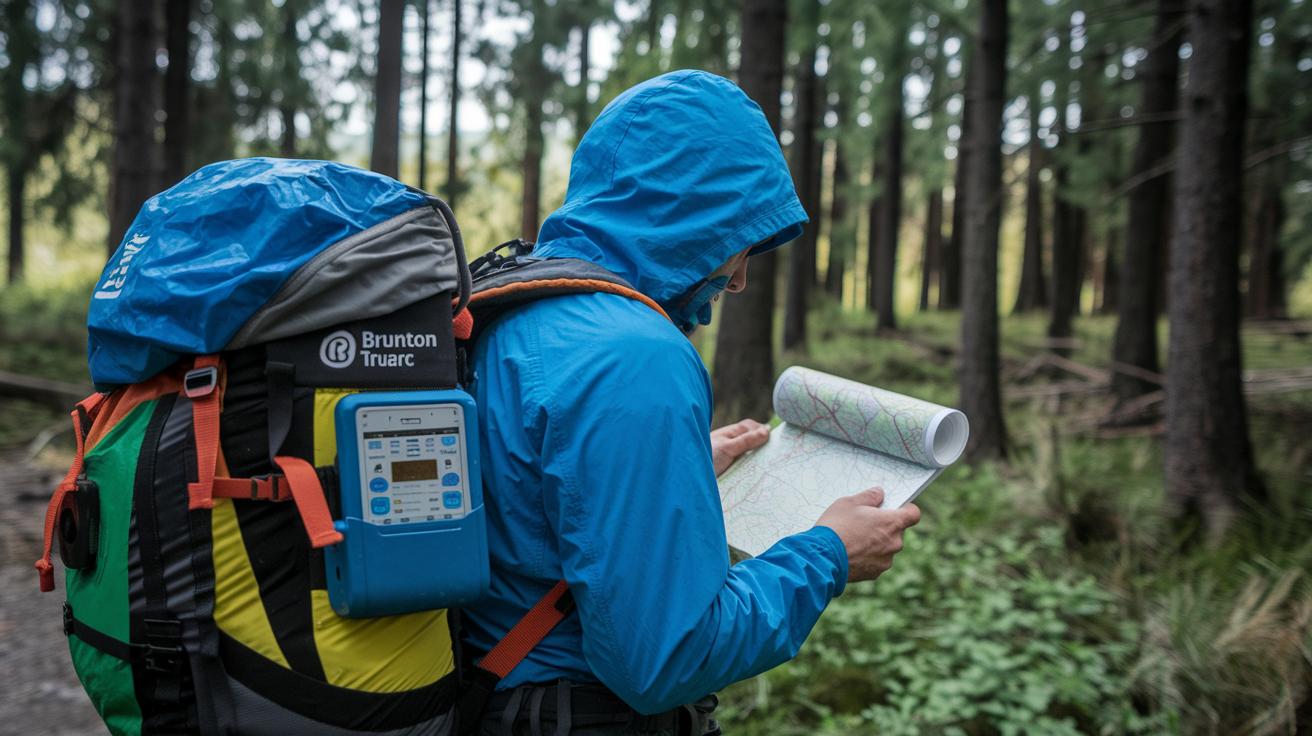
If you're heading out into nature, you definitely need to pack some basic map and compass gear. Paper maps in waterproof bags, paired with a trusty compass like the Brunton TruArc 7, help you keep clear bearings even when your phone or other devices let you down. Imagine wandering through thick woods, knowing your map stays dry and reliable, it’s a simple trick that keeps you on track.
When you find yourself off the grid, having a satellite messenger is a smart backup plan. Devices like the Garmin inReach let you send and receive messages when there’s no cell signal around. It’s almost like having roadside assistance right in the wilderness, so you can quickly reach out if the weather turns or you just want to update someone that you’re okay.
And don’t skip on a loud emergency whistle. Its piercing sound carries over long distances, making it a clear, audible call for help if you’re ever isolated. Keep it hooked to an easily reachable spot on your pack, and take a few moments to get comfortable with its sound. A quick practice session, like testing out your phone’s alarm, can ensure you’re ready to signal for help when it really counts.
Fire-Starting and Illumination Gear for Hiking Survival
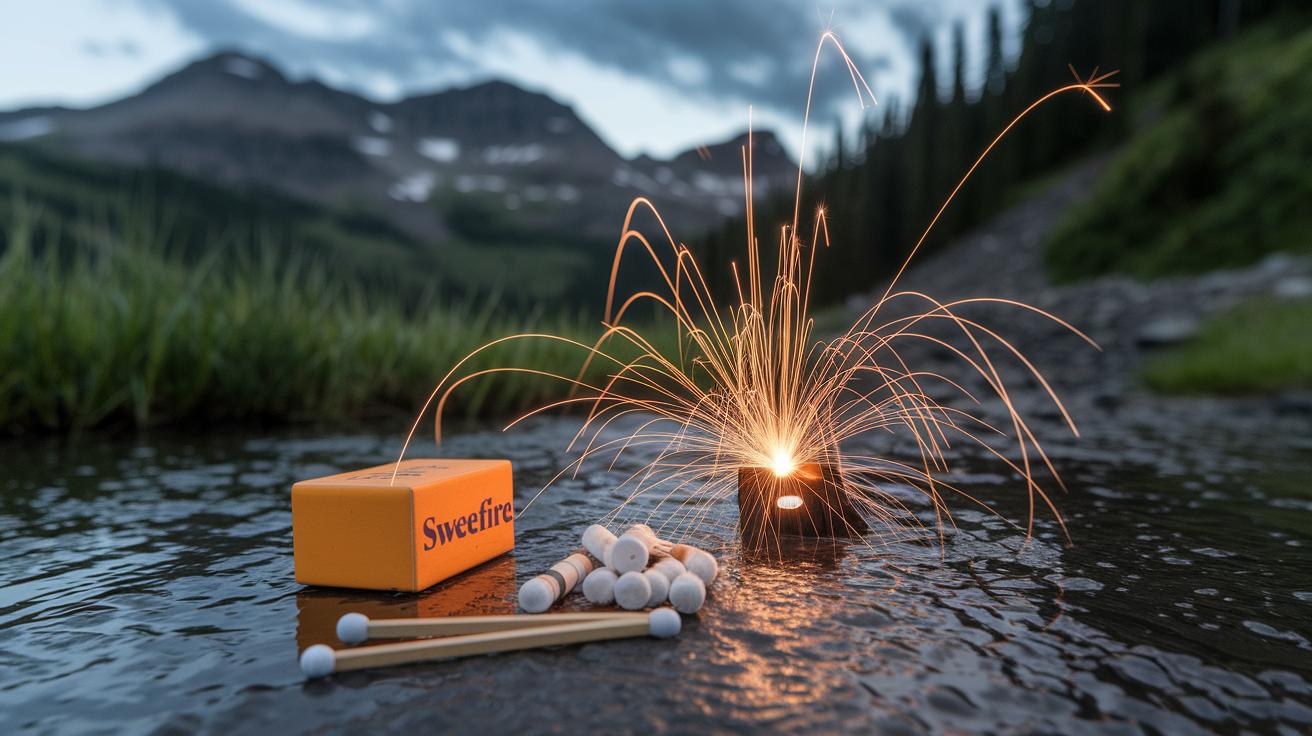
Sometimes the weather can really challenge you on the trail, so having reliable fire-starting gear is a lifesaver. The Überleben Zünden Bushcraft Fire Steel stands out because it offers up to 20,000 strikes, even when conditions are wet or you're high up. This means you can create a spark nearly anywhere, no matter what nature throws at you.
For a practical, eco-friendly option, try Sweetfire cubes. These little wonders burn steadily for about six to seven minutes, making them perfect for tricky, damp conditions. And don’t forget to pack a set of UCO waterproof matches, they come with a striker and extra matches so you'll always have a backup when you need it most.
Lighting up your surroundings is just as important. A headlamp is great for tasks that need your hands free, whether you’re setting up camp or checking trails after dark. Its focused beam helps you see clearly without fumbling around. Then there’s the Leschi Flashlight, which stands upright like a compact lantern. This handy tool spreads light over a wider area and comes in super useful during emergencies or when you just need a bit more visibility around your campsite.
Both fire-starting gear and proper lighting add a layer of confidence to your outdoors adventures, ensuring you stay safe and enjoy your time in nature, even when night falls unexpectedly.
First Aid and Medical Supplies for Hiking Survival

When you're out on the trail, a little mishap can happen to anyone. The Surviveware Small First Aid Kit is like a handy friend that prepares you for those unexpected moments. It comes with bandages, antiseptic wipes, a small pair of scissors, and blister moleskin, every item picked to handle common trail scrapes and cuts. It’s lightweight enough to carry along without weighing you down, so imagine being able to take care of a minor tumble or scrape right then and there.
It always pays off to tailor your medical kit to the hike you’re planning. If you're heading into rugged terrain where sprains, cuts, or blisters are more likely, you might want to add things like pain relievers, allergy meds, and extra sterile gauze. Think about the area you'll be exploring, if the path is rugged or overgrown, extra supplies can really help you handle an injury faster. Adjusting your kit based on trail reports and weather conditions can make a big difference.
Before you set off, it’s a great idea to check your first aid kit and replace any expired items. Being prepared means you can enjoy your hike knowing you have the right tools to care for yourself if anything unexpected occurs.
Multi-Tools and Repair Items for Hiking Survival
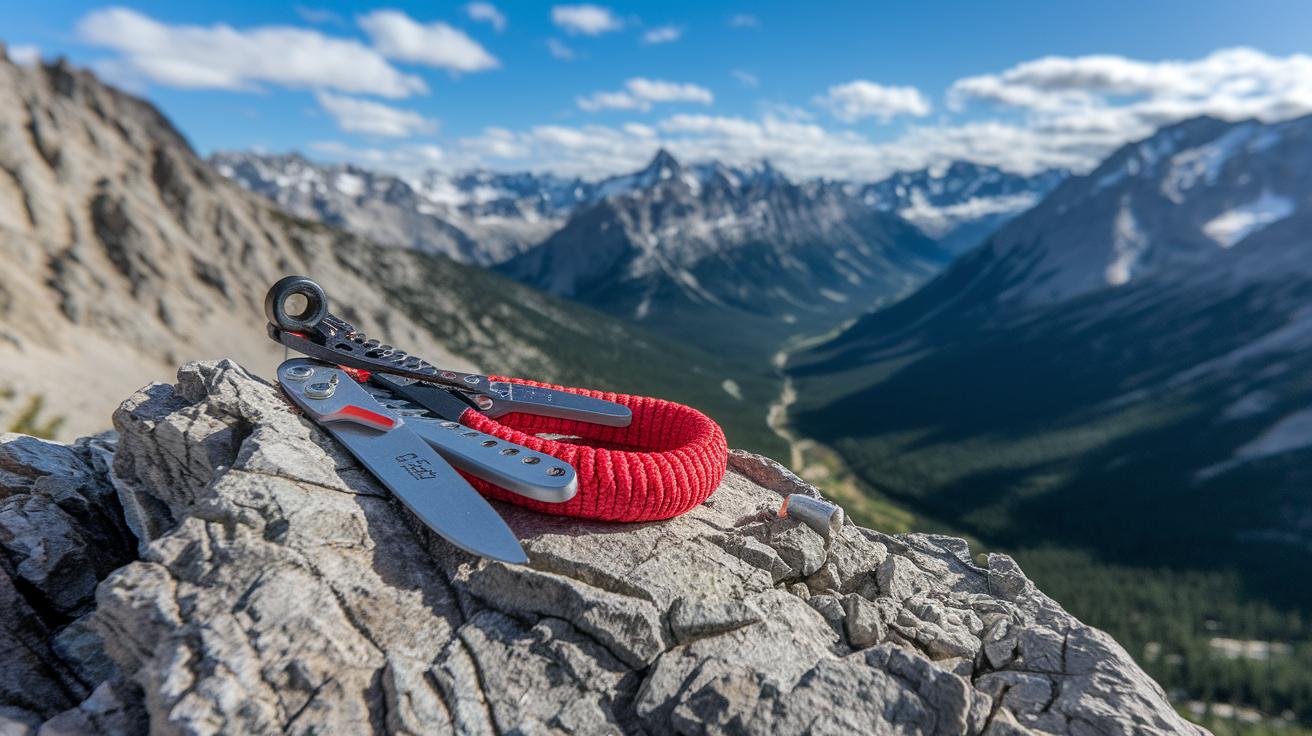
When you're out on the trail, a good repair kit is your best friend. It turns small hiccups into quick fixes so you don’t have to worry about major delays. A 12-piece outdoor survival multi-tool kit is perfect for everyday needs like cutting, screwing, and even opening cans.
Pair that with a tiny Leatherman that weighs only 1.8 oz. It packs a built-in knife, tweezers, and scissors, keeping your pack light while giving you the tools you need. For tougher tasks, like dealing with stubborn materials, try a strong folding knife such as the Smith & Wesson Oasis, it’s built to handle more challenging cuts.
Don’t forget to add 10 ft of paracord to your kit. This little rope can really come in handy whether you need to secure your gear or whip together a quick shelter. A mini roll of duct tape is another must-have for mending gear fast, stopping small problems before they become bigger issues.
Together, these items make your tactical field kit smart and efficient without weighing you down. Enjoy the ease of carrying a compact set of reliable tools on your adventures.
Ultralight Survival Gear Options for Hiking

When you’re out on a long hike, every ounce really matters. Lighter gear not only makes your trek more comfortable but also gives you the freedom to move faster. Every gram you save adds to your comfort, and that’s why choosing gear that balances weight and strength is so important.
Consider options like ultralight backpacks, shelters, and even trowels. Many thru-hikers swear by choices such as Zpacks ultralight backpacks and shelters, which are designed to weigh under 2 lbs for sleep systems. These options marry rugged durability with surprisingly featherweight materials, all while keeping the cost in check. And if you need an ultralight trowel, coming in at less than 0.5 oz, it can easily nestle in your hip belt for those quick, discreet pit stops. There are plenty of budget-friendly alternatives out there that prove every gram can count on those challenging trails. For more lightweight selections, check out the ultralight camping gear available online.
Before embarking on that epic trek, try taking your gear for a spin on a shorter hike. This real-world test helps you make sure your ultralight camping kit is ready for the unexpected. A quick run-around not only confirms the right fit but also reassures you that your equipment is as stable and durable as you need it to be when the trail gets tough.
Organizing Hiking Survival Gear: Packing and Storage Strategies
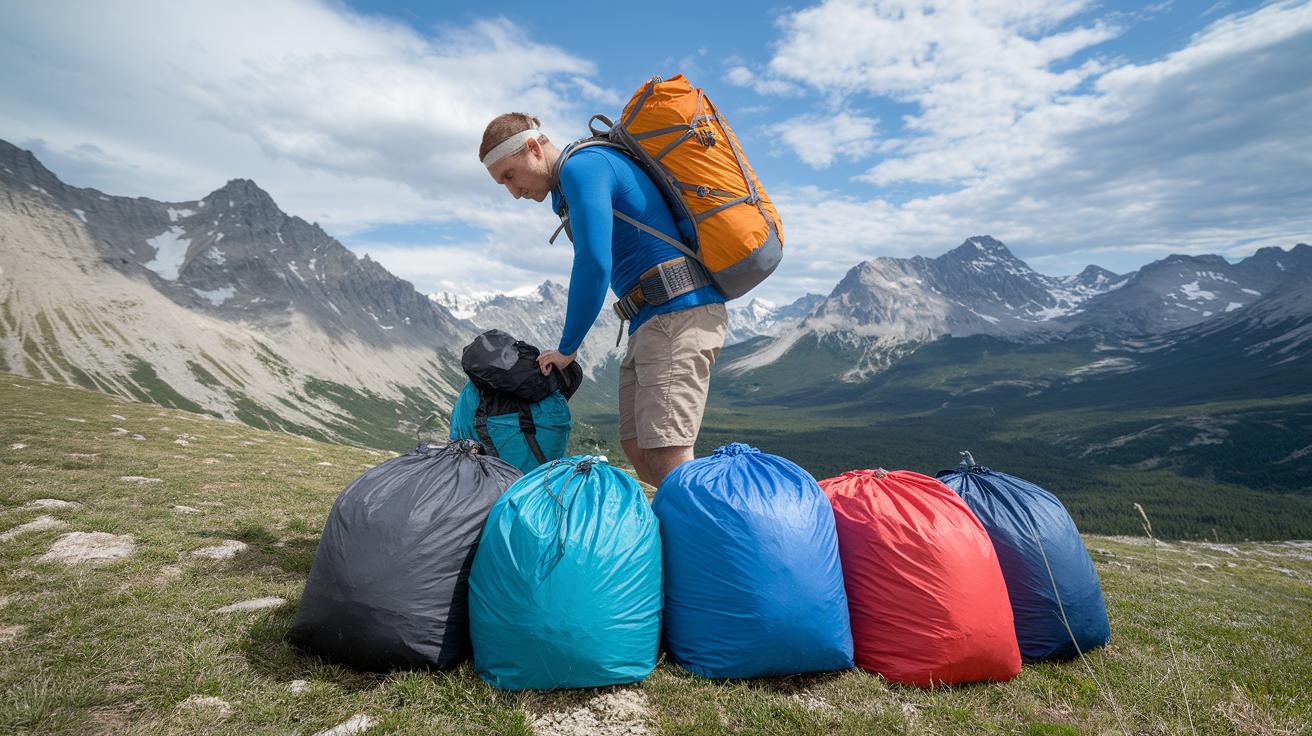
When you're packing your hiking survival gear, it's smart to keep the heaviest items close to your back. Placing your CamelBak H.A.W.G with its 100 oz reservoir near your spine helps keep your balance and eases the strain on your shoulders. By arranging bulky items in the middle, you make sure your weight stays even, letting the smaller essentials fit comfortably around them. This careful layout not only makes your movement smoother on rough trails but also helps protect you from sudden bumps that might throw off your balance.
Using color-coded stuff sacks and having clear spots to attach your tools makes finding everything a breeze. For example, separate pouches for your cold-weather layers mean you can quickly swap them when the temperature changes. Keeping first aid supplies and electronics in their own dedicated pockets means they’re safe from constant bumping on the trail. Clips and loops hold your items securely, so they’re always within reach. With this organized approach, every item has its special spot, making on-the-go adjustments and emergency fixes simple and stress-free.
Choosing and Comparing Hiking Survival Gear: A Buyer’s Guide
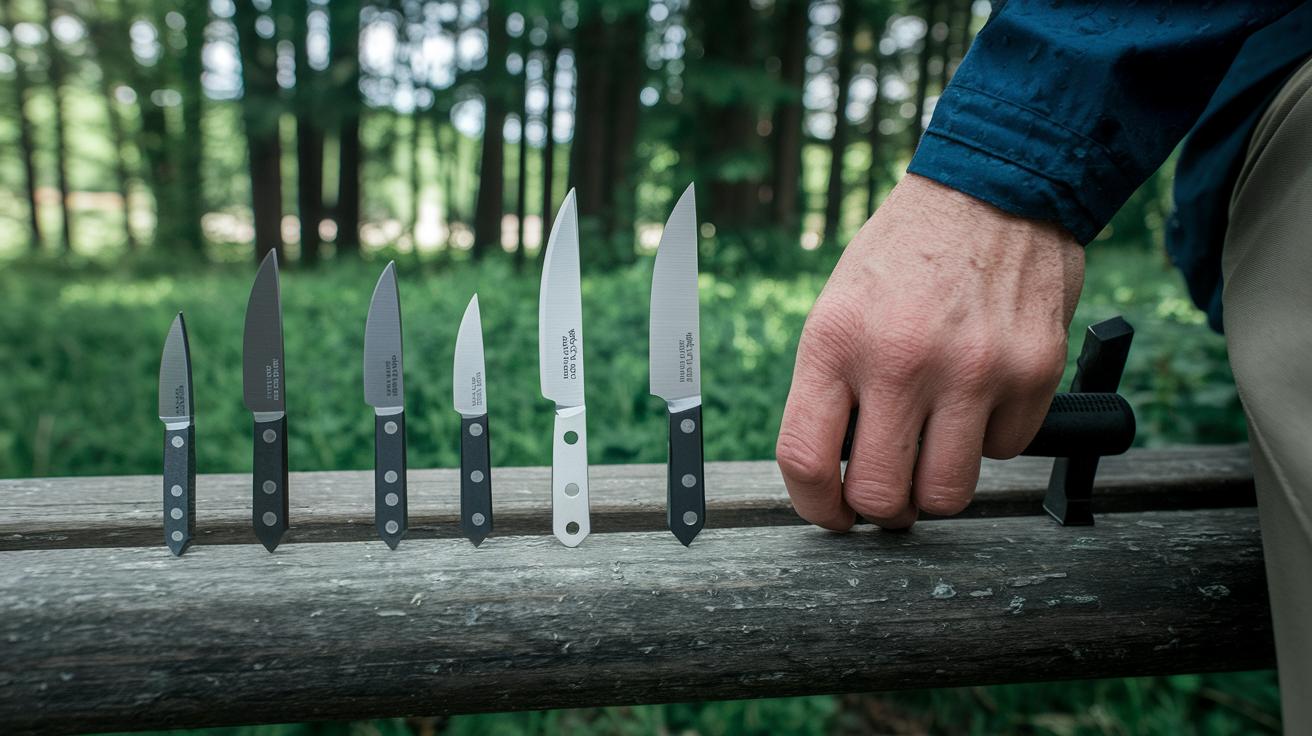
When you’re gearing up for the great outdoors, durability, weight, and price all come into play. Think of it like picking the right friend for an adventure, you need someone (or something) you can depend on. Field tests have shown that the best gear is made with strong materials and smart designs. So, instead of just going for that well-known brand, look for items that feel built to last and are easy to carry.
For instance, consider the difference between stainless steel blades and carbon steel ones. The right choice can really lighten your load and boost your performance on the trail. It’s important to compare details like weight and price without skipping over performance. Sometimes, you might find a pair of pants, like the Sahara Convertible Pants, that works like a premium model but at a much friendlier price. Always take a moment to check the specs, read a few user reviews, and see what the warranty covers before you decide.
| Item | Material/Feature | Weight | Price Range |
|---|---|---|---|
| Knife | Stainless steel blade for precision cuts | 4 oz | $30 – $50 |
| Shelter | Water-resistant nylon with reinforced seams | 2 lbs | $60 – $100 |
| Backpack | High-strength polyester with multiple tool loops | 1.5 lbs | $80 – $120 |
When putting your survival kit together, it helps to balance features with your budget. A heavier item might be super sturdy, but if it’s too heavy it could slow you down when it matters most. On the other hand, a lighter design that still delivers performance can be a game-changer. In the end, the best survival gear is the one that meets your needs while not breaking the bank. Remember, every step on your trail is worth it when you have gear that’s reliable and easy to handle.
Ultimate Hiking Survival Gear Checklist
Here's a handy list of must-have items for your next hiking trip. Each piece is noted with its rough weight and size, so you can pack smart and light.
- Hydration pack with filter (100 oz reservoir): About 12 oz and fits into a space around 9x5x2 inches.
- 4-liter water bottle: Weighs roughly 10 oz and measures about 10x3x3 inches.
- UST Survival Rations: Weighing around 8 oz, with compact dimensions of roughly 4x3x1 inches.
- Emergency sleeping bag: Weighs about 15 oz and packs down to a length of 45 inches by 8 inches wide.
- Thermal blanket: Super light at around 2 oz and sized close to 20×15 inches.
- Fire steel: Compact and handy at 4 oz with dimensions near 3×1 inches.
- Waterproof matches: Tiny and efficient at about 1 oz, roughly 2×1 inches.
- Headlamp: Weighing around 3 oz, it comes in a compact size of about 6×2 inches.
- Leschi flashlight: A bit heftier at 4 oz and measuring roughly 7×3 inches.
- Surviveware first aid kit: Comes in at about 6 oz and is roughly 5x4x2 inches in size.
- Multi-tool: A useful gadget weighing around 5 oz and packing into a space of about 3×1.5 inches.
- Folding knife: Weighs about 4 oz with dimensions around 3.5×1.5 inches.
- Paracord (10 ft): Weighs around 2 oz and neatly coils up to about 10×1 inches.
- Mini duct tape roll: Compact and light at 2 oz with a size of around 3×3 inches.
- Brunton TruArc 7 + Map: Combined weight is about 7 oz, fitting into a space roughly 6×4 inches.
- Emergency whistle: Very light at 1 oz and approximately 2×1 inches.
- Water purification tablets: The lightest item at around 0.5 oz, with dimensions close to 2×1 inches.
This checklist makes it easy to see what you'll need to stay safe and comfortable while you enjoy your adventure. Happy hiking!
Final Words
In the action, we covered all the key areas for a secure hiking experience, hydration and nutrition, shelter and warmth, navigation and signaling, fire and lighting, first aid, multi-tools, ultralight choices, and smart packing strategies. Each section shows how every item plays a part in keeping you safe and prepared.
Our guide clearly demonstrates that quality survival gear for hiking builds confidence on the trail. Enjoy your time outdoors knowing your setup is sturdy and ready for every trail challenge.
FAQ
What is the best survival gear for hiking?
The best survival gear for hiking combines reliable tools for hydration, nutrition, shelter, navigation, fire-starting, and first aid, helping you stay safe on the trail with equipment built for durability and ease of use.
What should be in a hiking survival kit and what are the 10 essentials when hiking?
A hiking survival kit ideally includes a hydration system, high-calorie rations, an emergency sleeping bag, a compass with waterproof maps, fire-starting tools, a headlamp, a compact first aid kit, a multi-tool, paracord, and an emergency whistle.
What are the big 3 items for backpacking?
The big 3 items for backpacking are water, food, and shelter. These core elements ensure you have enough hydration, energy for the trek, and protection against changing weather conditions.
What does military survival gear consist of?
Military survival gear consists of rugged, tactical items such as heavy-duty multi-tools, durable hydration packs, portable lighting, and advanced fire-starting tools designed to perform in harsh environments.
What gear should beginners consider for hiking?
Beginners should consider lightweight, reliable gear like comfortable footwear, layered clothing, a user-friendly navigation device, a compact first aid kit, and simple fire-starting equipment to build a solid hiking kit.
Where can I find a “10 Essentials for hiking pdf” checklist?
A “10 Essentials for hiking pdf” checklist is available online and offers a comprehensive list of critical items, making it easier to pack the essentials for hydration, nutrition, shelter, and emergency preparedness.