


Ever notice how styles from long ago still impact what we wear today? African fashion brings together a rich history with a fresh, modern twist. Think classic robes and vibrant fabrics that make you feel the passion behind every design.
This piece takes you on a journey showing how old-school textiles mix with today’s trends. It’s all about honoring the past while shaping our style now. Ready to see African fashion in an exciting new way?
African Fashion Unpacked: From Roots to Runways
African fashion is packed with a rich history that stretches back to ancient times. Back then, traders brought in Middle Eastern silk and gold that helped shape traditional styles. Think of classic pieces like the boubou robe or a flowing gown; each one tells a story of skilled craftsmanship and deep cultural pride. Designers have long chosen natural fabrics like cotton, silk, wool, and leather, adding fun details like beads, shells, and animal prints to give every piece texture and life.
Ankara wax prints are loved for their bold colors and striking designs. They turn dresses, shirts, skirts, and accessories into vibrant works of art. Picture this: centuries before modern runways, African artisans hand-printed intricate fabrics with care, each unique mark echoing the spirit of their community. That dedication to detail set the stage for today’s exciting trends.
Now, these timeless motifs are shining on global runways. Designers mix heritage patterns with fresh, modern styles, creating looks that perfectly bridge ancient traditions and today’s chic aesthetics.
Traditional African Textiles & Cultural Attire
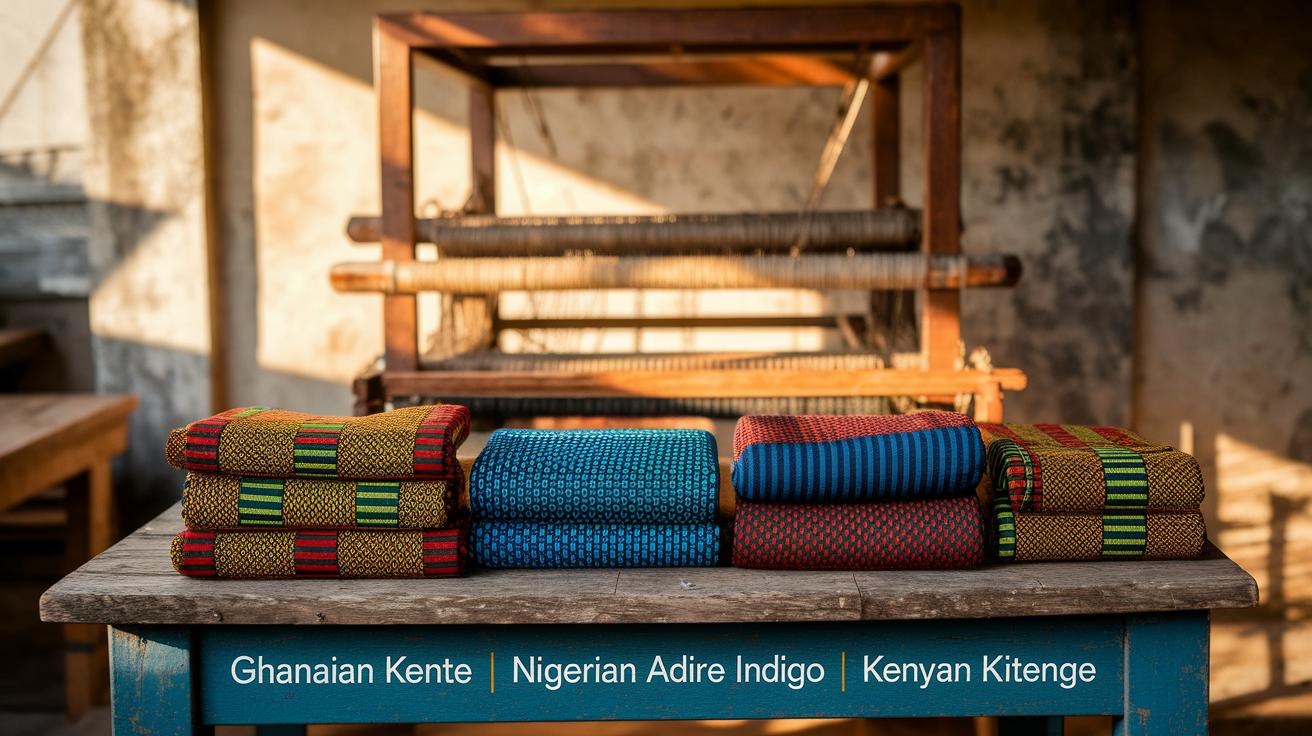
Traditional African textiles are not merely fabrics. They’re living stories, rich with color and history woven over generations. Take Ghanaian kente cloth for example, each narrow, handwoven strip bursts with meaning in its bright colors and patterns. And in Nigeria, adire transforms plain cotton into a bold art canvas using old-school indigo resist techniques. Imagine a fabric that whispers ancestral secrets with every thread.
In West Africa, these textiles go beyond beauty. They tell tales of art, social status, and deep spiritual beliefs. Over in East Africa, Kenyan kitenge and kikoy feature trade prints that speak of centuries of cultural exchange. Down in South Africa, shweshwe shines with geometric patterns that mix traditional charm with modern style. In Mali, bogolanfini, often called mudcloth, uses fermented-dye methods to create an earthy, textured look that echoes the land and its people.
Across the continent, artisans work with cotton, silk, wool, and leather, each chosen for its special qualities. Every bead, shell, or embroidered detail layers in meaning, revealing stories of clan identity and spiritual ties. Sometimes, even one bead can tell a tale of heritage and honor. Whether it’s a flowing robe or a more structured piece, each garment is a handmade celebration of cultural pride and time-honored tradition. These textiles don’t just show regional flavor, they weave a rich tapestry of social history and creative ingenuity.
Modern African Fashion Trends & Top Designers
Modern African fashion is capturing attention around the world by blending old traditions with fresh Western twists. Think of Orange Culture’s SS19 collection by Adebayo Oke-Lawal, where gender-fluid designs mix bold color blocks. It feels both modern and warmly tied to its roots.
Designers are rethinking what ankara can be by pairing vibrant wax patterns with sleek, modern tailoring. It’s like watching an artist mix history and innovation on a piece of cloth. Many top African designers got started in small hometown studios long before they lit up international runways.
Around Lagos Fashion Week’s 10th anniversary, Nigerian labels proved that classic heritage can mix perfectly with groundbreaking design. Lisa Folawiyo, for example, adorns Ankara prints with fine beading that makes each piece both elegant and fun. Meanwhile, Andrea Iyamah delivers resort-ready designs that capture the joy of sunny days, and Cynthia Abila offers clean, minimalist shapes that let traditional patterns speak for themselves. In cities like London, Paris, and New York, these modern African trends continue to win fans worldwide.
| Designer | Country | Signature Style |
|---|---|---|
| Adebayo Oke-Lawal | Nigeria | Gender-fluid tailoring with bold color blocking |
| Lisa Folawiyo | Nigeria | Intricate beading on Ankara prints |
| Andrea Iyamah | South Africa | Resort-ready silhouettes in bright, playful hues |
| Cynthia Abila | Kenya | Clean minimalism fused with graphic traditional patterns |
These trends are raising African fashion’s profile on the global stage. They invite us to look at heritage styles in a whole new way, merging respect for tradition with a fresh, modern energy that speaks to today’s savvy shopper.
Buying African Fashion: Leading Online Boutiques

Today, many popular online boutiques and designer hubs feature ready-to-ship collections of African fashion that ship worldwide. You can explore a wide range of affordable styles alongside rare limited-stock pieces. Some shops even offer made-to-order services and small, exclusive drops that are perfect for true fashion fans.
Shoppers from all over rely on these online stores to score quick and reliable finds. Many items are priced under USD 200 or USD 500, so there's always an option that fits your style and budget. With budget-friendly choices and fast shipping promotions, staying on trend is simple. Plus, clear duty policies mean every purchase is a smooth, worry-free experience.
As a special treat, some stores give early access to exclusive event edits and drops. This offers fashion lovers a unique chance to try new designs and discover amazing pieces without compromising on style. Trustworthy boutiques keep things easy with competitive prices, a seamless checkout process, and friendly customer support, all while showcasing truly unique creations.
african fashion Inspires Stylish Heritage
African fashion blends cultural charm with modern style to give you outfits that feel both bold and versatile. Whether you're shopping for women or men, you'll find designs that work for everyday wear and special events.
For those laid-back days, consider pairing fun graphic tees with smart blazers for a look that’s just right. Picture an elegant ankara skirt matched with a comfy, relaxed top. Add a head wrap and some simple beaded jewelry to give your outfit a nod to tradition. The trick is to balance loud, colorful prints with simple, neutral pieces.
When it's time for something fancier, check out the formal collections. Imagine a well-cut blazer with subtle details that hint at its cultural roots. For women, a flowing party dress fits perfectly at events like cocktail nights in Nairobi or rooftop parties in Lagos. Men can choose smart outfits that blend structured silhouettes with unexpected pops of color.
The streetwear selection is just as fun. Trendy hoodies and joggers come printed with bold patterns that make an urban statement. They’re perfect whether you’re hanging out with friends or heading to a relaxed outing. And don’t underestimate the power of accessories, a statement head wrap or a unique piece of jewelry can complete your look beautifully.
It’s all about mixing and matching to let your heritage shine through every outfit. Enjoy exploring these unique styles!
Future of African Fashion: Sustainable Innovation & Global Impact
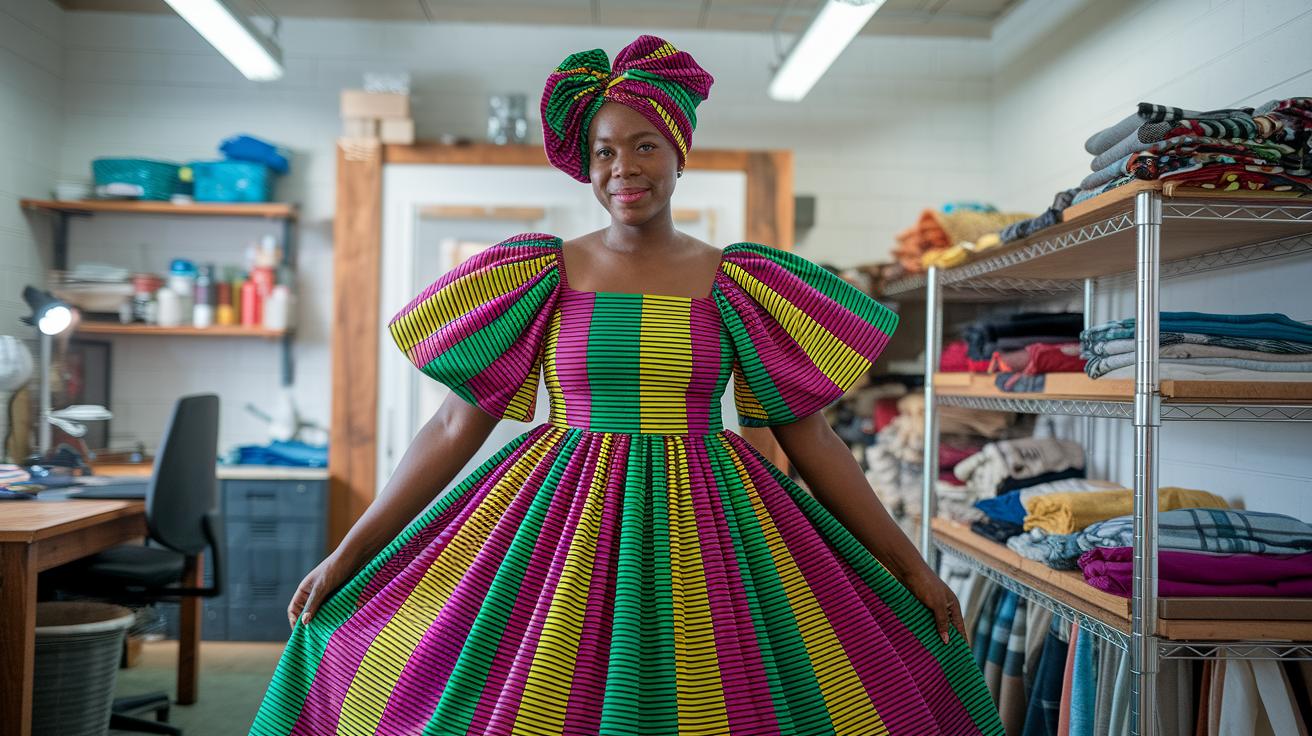
Industry predictions show that eco-friendly African clothing is booming. Designers are now using upcycled and organic materials to make stylish pieces that care for the planet. New methods like bio-based dyes and zero-waste cutting help keep designs modern and clean. It feels like a respectful nod to tradition while taking smart steps to cut down on waste.
Across the globe, shops are adding small collections of African fabric styles that celebrate a rich heritage. Fair-trade groups and ethical factories are in the spotlight, pushing everyone to be open about how clothes are made. Many brands are rethinking how they produce garments so that they honor both culture and the environment.
The influence of African fashion can be seen in bold prints and colorful palettes inspired by age-old patterns. As eco-friendly ideas become a core part of making clothes, African style is ready to shape global trends with vibrant and responsible designs.
New fabric technologies and clever design methods are changing the game. Designers are now focused on creating beautiful pieces with minimal waste and maximum creativity. This shift is raising the bar for style, quality, and environmental care.
Final Words
In the action, we traced the evolution of African fashion, from its deep cultural roots and signature textiles to modern designers and a secure online shopping experience. We highlighted traditional fabrics, bold prints, and smart styling that marry heritage with today’s trends.
The post showcased innovative techniques, fresh trends, and secure buying tips, making it easier to enjoy every step of your shopping quest. Embrace your next stylish pick and celebrate the charm of african fashion.
FAQ
What is African fashion called?
African fashion is known as an expression of diverse cultural styles, blending age-old traditions with modern design to create vibrant, eye-catching statements.
What defines African fashion for men and women?
African fashion for men and women features bold prints, comfortable cuts, and a mix of traditional textiles with contemporary tailoring, celebrating cultural roots and modern style.
What distinguishes African fashion brands?
African fashion brands blend heritage craftsmanship with modern trends, offering collections that showcase intricate patterns, high-quality materials, and a genuine reflection of regional identity.
What characterizes modern African fashion?
Modern African fashion combines traditional fabrics like Ankara with Western silhouettes, producing innovative looks that stand out on runways while honoring long-standing cultural practices.
What is the best African online clothing store?
The best African online clothing store offers a curated selection of high-quality pieces that merge tradition with modern style, along with competitive pricing and convenient worldwide delivery.
What constitutes traditional African clothing and styles?
Traditional African clothing includes garments such as boubou robes, flowing gowns, and head wraps, all adorned with vibrant prints, beads, and patterns that reflect regional heritage.
What is African fashion history?
African fashion history dates back to early civilizations, evolving from traditional garments influenced by trade and local craftsmanship into the modern, globally celebrated styles seen today.
What does the 3-3-3 rule in fashion mean?
The 3-3-3 rule in fashion suggests using three key pieces, three complementary colors, and three distinct textures in an outfit to create a balanced, visually appealing style.