

Ever wonder why Edwardian looks still steal the spotlight? Back in the early 1900s, a relaxed yet polished style emerged that mixed clean lines with a touch of charm. People began pairing comfort with a refined flair, creating an effortlessly elegant vibe. In this post, we’re exploring the core features of Edwardian design and how this time-tested style still inspires modern trends.
Overview of Edwardian Fashion History and Styles
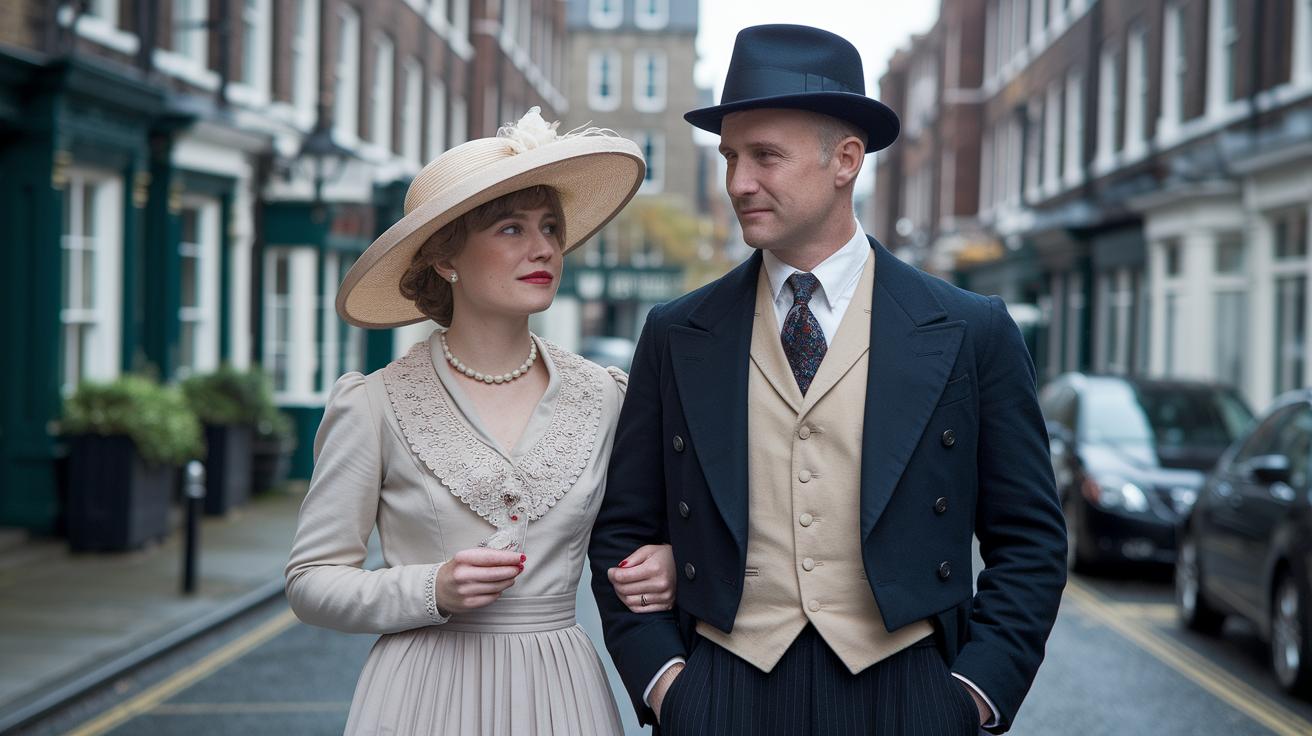
King Edward VII ruled from 1901 to 1910, and his time in charge brought a refreshing change to the way people dressed. It was a shift away from stiff Victorian rules toward a lighter, more graceful style. With a booming economy and a mix of new ideas from around the world, folks began choosing outfits that were both chic and practical. Women found they had more freedom to experiment, while men kept their neat, structured look. Fun fact: at social events and public gatherings, people had to balance flair with function, showing off a style perfectly tuned to a society on the move.
The vibe was all about letting go of old school formality. Tight corsets and heavy skirts started to fade away as designers celebrated natural body lines and comfort. This blend of easygoing comfort and smart style captured the spirit of everyday life evolving into something more modern. And honestly, it was exciting to see the creative ideas take over, turning strict rules into fun opportunities for expressive design.
Innovative design houses like the Edwardian Fashion House of Creed really pushed the envelope by mixing menswear elements into women’s outfits. They added details like lapels, buttoned sleeve cuffs, and high lace collars to transform traditional dressmaking. Picture a bodice with a pigeon-breast detail teamed with a hobble skirt, this combo created a long, elegant silhouette that set the standard for early 20th-century fashion and left a lasting mark on Edwardian style.
Women’s Dress Designs in Edwardian Fashion: Silhouettes and Undergarments

In the Edwardian era, clothing took on a softer, more natural shape. Instead of sticking to the strict, straight lines of Victorian fashion, dresses began to curve beautifully, hinting at a modern, graceful style. Early Edwardian designs broke free from earlier restrictions, offering a fresh look that felt both delicate and inviting.
The secret lay in the corsets. These weren’t merely about support, they carefully sculpted the waist and lifted the chest, creating that distinctive pigeon-breasted look. Imagine a corset that not only holds you up but also highlights your natural curves, blending art with practicality and changing the way women experienced fashion.
High lace collars and detailed bodice work also played a big role. Ruffles and delicate inserts added texture and depth to the upper part of the dress, while clever stitching ensured a beautifully defined silhouette. Designers even introduced warp skirts to create gentle volume, letting the fabric flow without weighing down the hips. Every element worked together to transform each dress into a unique piece of wearable art, celebrating craftsmanship and style in a truly captivating way.
Gentlemen’s Attire Evolution in Edwardian Fashion: Tailoring and Outerwear

Tailoring in the Edwardian era was all about fine craftsmanship and a flawless fit. Custom tailors, like Creed, set a high standard by creating lounge suits with structured shoulders, high armholes, and satin lapels. Their work turned formal attire into a blend of elegance and everyday practicality. People loved the way each suit felt comfortable while showing off unique details, making every outfit feel personal and special. This mix of sharp structure with a relaxed vibe made dressing well something anyone could enjoy.
- Frock coat: A timeless design with long tails that highlights a neat, defined shape.
- Morning coat: Featuring a cutaway front, it was perfect for formal daytime occasions.
- Lounge suit: A smart yet comfortable pick that balanced formal style with a casual touch.
- Sack suit: Known for its simple, relaxed silhouette that offered both ease and practicality.
- Trench/overcoat: Sleek outerwear with reinforced collars and decorative sleeve buttons for extra flair.
Accessories were the perfect finishing touches. A well-fitted waistcoat added a layer of class, while a classic pocket watch brought together style and practicality. These details completed an ensemble that celebrated both tradition and a fresh, innovative look in Edwardian menswear.
Luxury Fabrics and Embellishment Techniques in Edwardian Fashion

Back in the Edwardian days, fashion houses really valued top-quality materials. Designers handpicked fine silks, cotton lawn, and lightweight wool to craft garments that felt both elegant and comfortable. These fabrics weren’t chosen just for their rich textures and vibrant colors; they were picked for the way they draped gracefully. Cotton lawn kept things cool and breezy, while silk gave a smooth, shiny finish ideal for detailed cuts. Imagine a gown as soft and cool as a gentle summer breeze, blending comfort and style perfectly.
Skilled artisans brought each piece to life by adding delicate lace and intricate embroidery. They often trimmed sleeves, collars, and bodices with lace featuring lovely botanical motifs that brought a touch of grace. Expert needleworkers stitched in floral and scroll patterns, carefully balancing creativity with precision. Even garment repair came into play to reinforce busy areas, ensuring these beautiful details stayed intact over time. Picture a dress where every stitch tells a story of timeless charm and heartfelt craftsmanship.
Edwardian Fashion Accessories: Millinery, Jewelry, and Footwear

Edwardian millinery wasn’t just about covering your head, it was about making a bold statement with style. Hats came in all sorts of shapes, from wide-brimmed designs to bonnets decked out with feathers and ribbons that feel straight out of your favorite period drama. They added just the right pinch of drama to complete any outfit with a touch of old-world flair.
Jewelry in that era was all about understated charm. Think brooches, cameo pendants, and pearl necklaces that brought a soft sparkle to an outfit without overwhelming it. These pieces were picked carefully to echo the fine details of period dresses, creating a balanced look that worked beautifully from dawn till dusk.
And then there was footwear. Shoes like lace-up button boots and T-strap pumps weren’t just about looking good, they were built for comfort too. Crafted from leather or stitched fabrics, they rounded out the look by blending practicality with a refined touch that made every step stylish.
Key Designers and Cultural Impact of Edwardian Fashion

Back in the Edwardian era, designers rocked the fashion scene with a mix of creativity and technical know-how. They brought a fresh twist by combining the crisp, clean lines of men's wear with the delicate charm of women's fashion. The Edwardian Fashion House of Creed led this exciting change, setting a bold standard that balanced both toughness and grace.
Icons like Lady Duff Gordon and Florence Harding truly made their mark. They introduced stylish S-bend gowns and perfectly tailored suits that captured the spirit of the time. Every piece they designed felt like a personal expression of precision and elegance, influencing not only everyday wear but the overall look of the era.
Social events also played a big role in shaping what people wore. Whether it was a lively garden party or a refined formal tea, everyone wanted to feel comfortable and stylish at the same time. Men’s suits began to feature more relaxed cuts while still keeping that sharp edge, and women’s dresses flowed beautifully in lightweight silks and crisp cotton lawns. These moments brought together tradition and modern flair in a way that still inspires us today.
Archive Revival: Edwardian Fashion’s Influence on Modern Couture
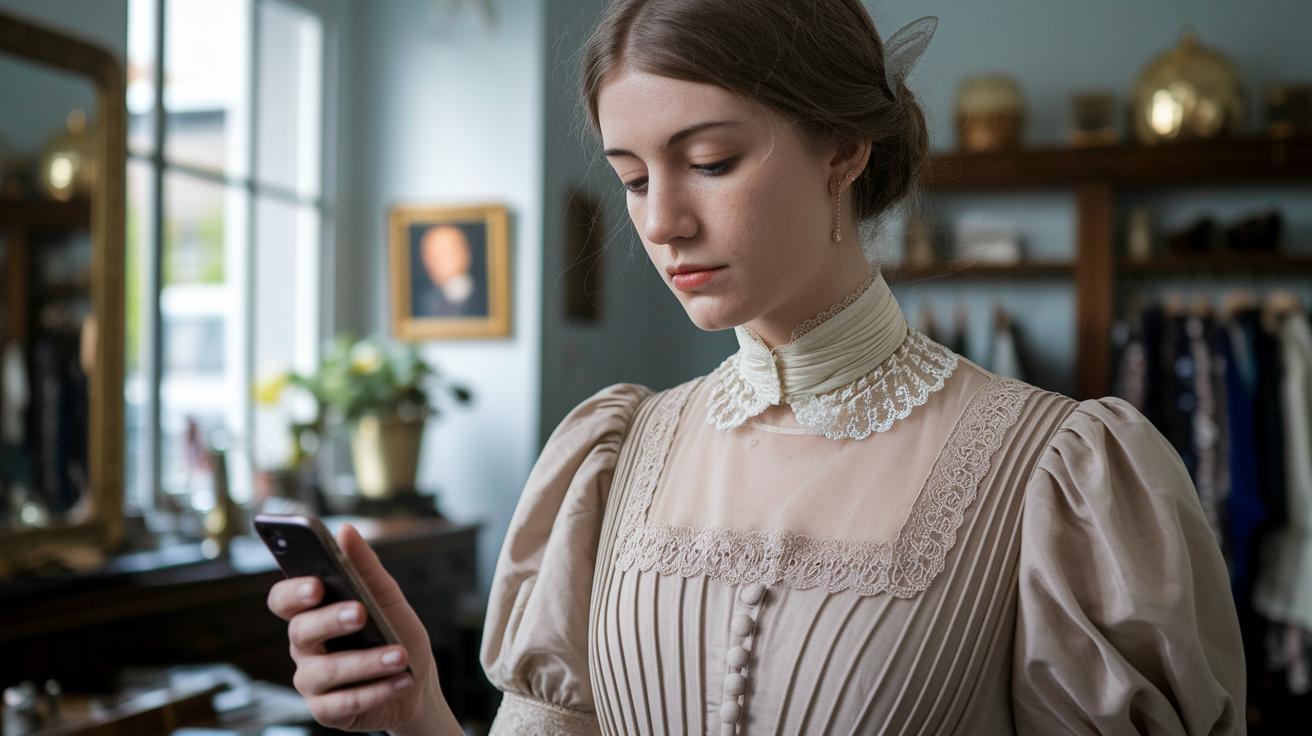
Archive-inspired design trends are breathing fresh life into modern fashion by reviving the charm of bygone eras. Nowadays, lots of designers channel the spirit of the Edwardian period, mixing classic old-school silhouettes with contemporary flair. They take familiar features like high lace collars and sculpted bodices (often seen in today’s bridal collections) and give them a new twist with innovative materials and subtle updates.
Boutique ateliers are getting creative too, they’re using time-honored pattern drafting methods and hand-stitched trims to craft limited-edition lines. These collections celebrate the elegance of the past while speaking directly to today’s style-savvy crowd.
| Modern Application | Edwardian Element |
|---|---|
| Bridal Collections | High lace collars and sculpted bodices |
| Limited-Edition Lineups | Heritage pattern drafting and hand-stitched trims |
| Daywear Innovation | Structured tailoring with subtle historical accents |
The revival of these timeless designs not only bridges different eras but also encourages sustainable fashion practices by reducing waste and cherishing traditional craftsmanship.
Final Words
In the action, we explored the vibrant evolution of edwardian fashion, from the distinctive tailoring and sculpted silhouettes to the delicate lace detailing and refined accessories. We reviewed how traditional elements merged with modern touches, giving a boost to today’s style choices. Each section brought forward a piece of history that continues to inspire modern trends. The look into early 20th-century style reminds us that great design endures, and it feels good to know quality and security go hand in hand.
FAQ
What is Edwardian era fashion?
The Edwardian era fashion is defined by a shift from strict Victorian styles to softer, graceful silhouettes. It embraces menswear influences in women’s attire and emphasizes structured yet refined design.
What defines Edwardian fashion for women?
The Edwardian style for women features delicate lace collars, corseted shaping, and decorative details. It marks a harmonious blend of elegance with a more relaxed silhouette compared to previous era restrictions.
What are the essential characteristics of Edwardian fashion for men?
Edwardian men’s fashion showcases structured tailoring, clean lines, and highlighted details like satin-faced lapels. These elements offer a fresh take on classic formal wear, reflecting the era’s modern styling approach.
What are popular Edwardian fashion trends and patterns?
Popular Edwardian trends include integrating menswear elements into women’s clothing, pigeon-breasted bodices, and decorative buttons. The patterns and design innovations set early 20th century style apart with distinctive detailing.
How does Victorian fashion compare with Edwardian fashion?
Victorian fashion is marked by rigid corsets and formal gowns, while Edwardian style moves to softer, more fluid silhouettes. This era introduces practical tailoring and design refinements for a less constrained look.
How is modern Edwardian fashion interpreted today?
Modern Edwardian fashion revisits classic features like high lace collars and sculpted bodices, mixing them with current trends. This update creates a look that is both nostalgic and fresh for today’s style.
What is the 3-3-3 rule in fashion?
The 3-3-3 rule in fashion refers to balancing three colors, three key pieces, and three accessories in an outfit. This approach creates a visually appealing and well-coordinated ensemble.