


Ever wondered if you need expensive labs to build smart tech gadgets? You don’t! Even a simple project using everyday tools can spark your hidden creativity.
Imagine spending an afternoon turning spare parts into a gadget that actually works. It’s like piecing together a fun puzzle, each piece boosts your skills and confidence.
Our guide walks you step-by-step, making it easy to transform your ideas into cool tech projects you can build at home.
Project Tutorials for DIY Tech Gadgets at Home
Get started with a clear plan and an easy schematic design. Imagine settling down with a pencil and paper, almost like sketching a treasure map, where you jot down every idea before you dive in. At this early stage, the ideas start flowing and your blueprint gently emerges as a strong base for all the fun ahead. Then, it’s time to move on to prototyping; you can use tools like Arduino or Raspberry Pi to see your idea spring to life right before your eyes.
Before you start soldering and wiring, follow these simple steps:
-
Concept
Begin by brainstorming your ideas, it’s like laying the very first brick of your masterpiece. -
Schematic design
Draw out your plan; imagine it as a clear roadmap showing where each part fits in. -
Prototyping
Create a basic version of your circuit using microcontrollers and easy-to-find parts. -
Assembly
Put together your hardware and solder the connections securely so everything stays in place. -
Programming & debugging
Write your code and fine-tune your setup until every piece clicks perfectly.
This step-by-step method makes the process easier and sets you up for success. By breaking everything into small, manageable steps, you can see your progress and fix any bumps along the way. It’s like building your own toolkit piece by piece, giving every maker the confidence to experiment and create something truly amazing.
Essential Electronics and Tools for DIY Tech Gadget Projects

Every awesome DIY tech project starts with the right mix of parts and a trusty toolkit. Whether you're just dipping your toes in or already deep into your next build, having solid electronics at hand makes a huge difference. Imagine your workspace lit up with a reliable soldering iron, a friendly multimeter, and sensors that really bring your ideas to life. Toss in microcontrollers like the Arduino Uno or Raspberry Pi, and you're ready for endless experiments and creative problem-solving. You might also want a breadboard for quick prototyping, jumper wires for smooth connections, and battery packs to keep your project moving wherever you go. All these tools work together so you can tinker, build, and code with real confidence.
| Item | Purpose | Estimated Cost |
|---|---|---|
| Arduino Uno | Microcontroller for basic projects | $25 |
| Raspberry Pi | Compact computer for advanced builds | $35 |
| Soldering Iron | Assembling and soldering components | $20 |
| Multimeter | Measuring voltage and troubleshooting circuits | $15 |
| Breadboard | Prototyping circuits without soldering | $10 |
| Jumper Wires | Connecting components securely | $5 |
| Sensors (light, motion) | Detecting environmental changes | $8 |
| Battery Pack | Portable power source | $12 |
If you're keeping an eye on your wallet, you'll be happy to know that many of these tools and components are available at local surplus stores or in bulk orders. This down-to-earth approach not only helps you save money but also makes sure you’re equipped with quality gear for every fun tinkering session.
Exploring 10 DIY Tech Gadget Projects for Beginners to Pros
We've gathered a list of fun and simple DIY tech projects that spark creativity. Whether you're just starting out or you already know your way around electronics, these projects let you experiment with everyday items like coins, microcontrollers, and common electronics. They mix practical ideas with playful experiments in a way that feels just right.
Try a 3-penny battery that uses coins and a bit of citric acid to prove that basic chemistry can generate power, all with items you might already have at home.
Next up is a $2 junior wind turbine that brightens an LED. It's a cool, budget-friendly way to see affordable innovation in action.
Another idea is a battery-free flashlight that uses a stepper motor and some capacitors to turn motion into light. It shows you that everyday movement can create energy.
For outdoor enthusiasts, there's a solar phone charger built for campers. It soaks up sunlight to charge your phone, blending energy efficiency with your outdoor adventures.
If you ever find yourself in need during a blackout, an emergency light powered by fire and water might be just the ticket. It’s a resourceful, low-cost safety option when conventional choices aren’t available.
There's also a project for making a 35-watt solar panel from broken solar cells. This experiment proves that even discarded parts can be turned into valuable energy sources.
For a mix of science and practicality, try a Peltier-based smartphone charger that uses the temperature difference from a heat source to generate power. It’s a neat way to turn heat into a usable energy boost.
Pet owners might love a Raspberry Pi bark-activated door opener. This playful gadget uses sound detection to add a fun, tech twist to your daily routine.
Another experiment involves a saltwater battery that safely produces and releases energy using a simple salt solution. It’s all about making the most of common, non-toxic materials.
Lastly, revamp an old laptop screen into a monitor. It's a smart, eco-friendly way to breathe new life into outdated tech and cut down on waste.
When choosing your project, think about your budget and comfort level with electronics. From low-cost builds perfect for beginners to experiments that might need a bit of advanced soldering or programming, each project can be tweaked to match your technical skills and creative spirit. Happy building!
Troubleshooting and Custom Modifications in DIY Tech Gadget Projects
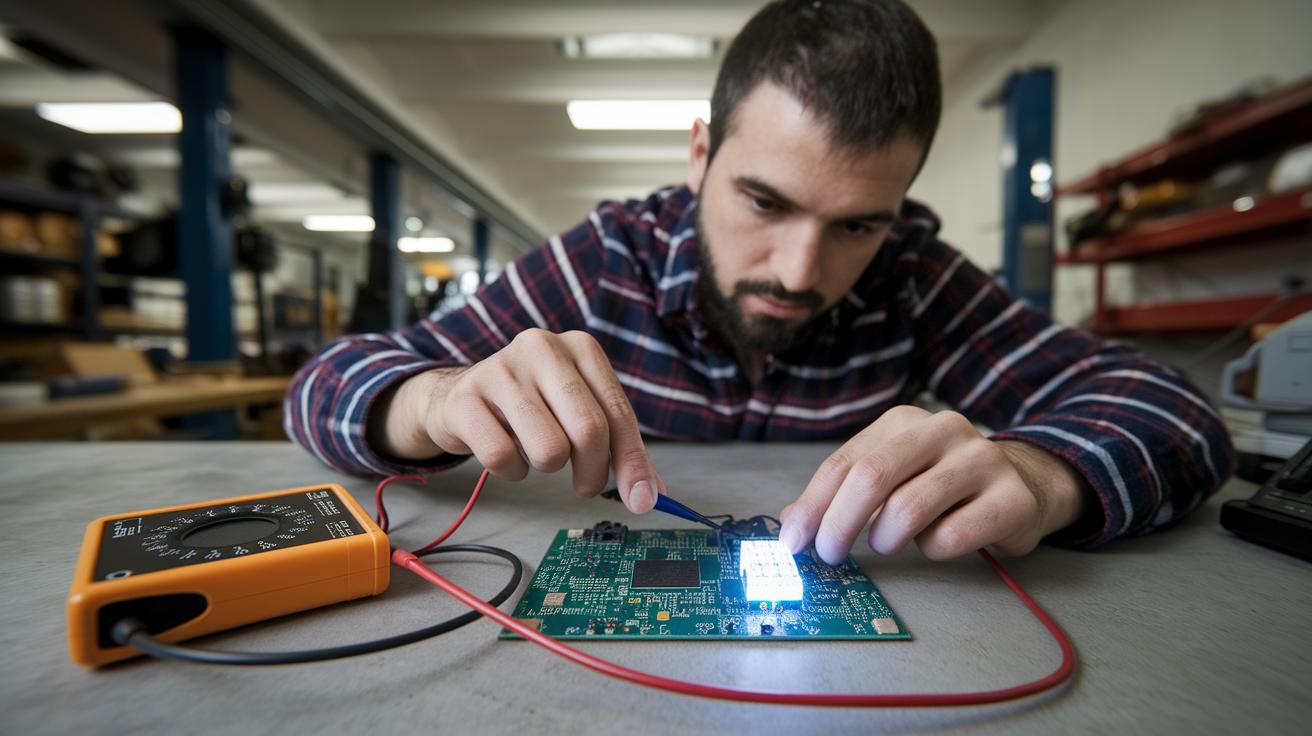
When your gadget isn’t behaving properly, take a breath and start by checking the electronics and the code. Many times, you might run into issues like a solder joint that’s a bit too cold, problems with the power supply, or little bugs hiding in the firmware. Grab your multimeter and run a continuity check or simply follow each connection carefully. Sometimes, even a quick touch-up on a cold solder joint can make all the difference. And when your code isn’t doing what you expected, diving into the Arduino IDE can reveal those sneaky errors. Ever seen an LED flicker and wonder why? A voltage check at key points usually brings the answer.
Customizing your project turns a simple build into something truly special. You can switch up component placement or resize the enclosure to perfectly fit your needs. Adding extra sensors can boost what your project can do. But remember to always keep safety first, sling on some eye protection and make sure you have good fume extraction when soldering. Experimenting is fun, but just like fine-tuning a musical instrument, every small adjustment helps the entire circuit sing in harmony.
Budgeting and Sourcing Components for DIY Tech Gadget Projects
When you're gearing up for a DIY tech project, figuring out your budget is essential. You might only spend about $2 on a simple turbine or almost $99 for a cool mechanical-keyboard hub. Luckily, free open-hardware schematics mean you can easily see what parts you'll need. Many folks also save money by buying in bulk or checking out local surplus stores. This smart move not only keeps your costs down but also guarantees you get quality parts that match your project.
Another neat trick is to use recycled materials. A lot of makers find value in repurposing e-waste, like old solar cells or outdated laptops, turning items that might be tossed away into important components. Embracing this sustainable approach lets you innovate even on a tight budget, all while helping the environment. Plus, it gives every DIY tech build a special, one-of-a-kind twist.
Advanced IoT and Robotics Integration in DIY Tech Gadget Projects

IoT Project Integration
Mixing microcontrollers with cloud platforms can truly change your DIY game. It’s like having your own digital command center, where your microcontroller chats with online services to update live data or kick off actions no matter where you are. Imagine your gadget sending you a quick alert, logging sensor readings, or even being controlled from across town. It’s that satisfying click when everything just works.
For instance, think about a LoRa weather station that runs endlessly without batteries, a remote sensor network that quietly checks on your home’s environment, or a smart notification system that pings you when something’s off. These projects show how IoT can turn simple tech into lively, interactive devices.
Robotics and Automation Builds
When it comes to robotics, adding actuators and motion control sparks a whole new level of creativity. By blending in servomotors and sensors, you can get your projects moving with precision and a bit of personality. Picture a setup where your code directs a series of actuators for smooth, almost lifelike motion, pretty cool, right?
Imagine building a servo-driven arm that repeats its tasks flawlessly, an automated pet feeder that knows just when to dish out treats, or a smart conveyor that moves items smoothly and efficiently. These examples reveal how robotics can add a dynamic and tactile feel to your creations.
Combining cloud-connected IoT with advanced robotics unlocks endless possibilities. Experiment with mixing these ideas, tweak your programming, and carefully choose the right sensors and actuators. This approach not only keeps your projects ahead of the tech curve but also fuels your creativity every step of the way.
Final Words
in the action, this guide walked through every step, from planning and assembly to troubleshooting and cost-saving tips, to build DIY tech gadget projects. The post broke down complex tasks into simple, hands-on steps that help you feel confident with your electronics and toolset.
We explored detailed insights on sourcing quality parts and customizing builds for everyday ease. These practical tips make every product feel within reach. Enjoy transforming ideas into smart, working gadgets that brighten your day.
FAQ
What are easy DIY tech gadget projects?
Easy DIY tech gadget projects offer simple, step-by-step builds using accessible electronics and clear instructions. They’re perfect for those wanting fun, hands-on tech experiments without any complicated setups.
How can adults engage in DIY tech gadget projects?
DIY tech gadget projects for adults blend creativity with practical technical skills. They use components like Arduino and Raspberry Pi, making them ideal for those who enjoy learning and building innovative gadgets at home.
How do beginners get started with DIY tech gadget projects?
DIY tech projects for beginners come with clear, step-by-step guidance and basic materials. They simplify the process, so anyone new to electronics can enjoy building gadgets with ease and confidence.
How can I create fun tech gadget projects for school?
DIY tech gadget projects for school mix learning with creativity by using safe, easy-to-follow builds. They provide engaging activities that make classroom or home experiments both educational and entertaining.
How do I make gadgets at home easily?
Making gadgets at home easily means following clear guides and using common tools and parts. This straightforward approach lets you build cool tech without needing advanced skills or expensive equipment.
What DIY tech projects are best for kids?
DIY tech gadget projects for kids are designed to be safe and fun. They feature simple builds with clear instructions, sparking creativity and an early interest in technology through hands-on learning.