
Ever been stuck in a heavy rain while out in the woods? Imagine a tent that keeps every drop outside so you can just kick back and enjoy nature. In this post, we chat about what makes a camping tent really waterproof. We dive into details like tough fabric ratings and smart design tricks that stop leaks before they even start. With quality materials and clever features, rainy nights become totally worry-free. Get ready to uncover the secrets to enjoying happy, dry adventures, even when it’s pouring outside.
Key Criteria for a Truly Waterproof Camping Tent
Ever been caught in a downpour and wished your tent could keep you dry? A genuinely waterproof camping tent is all about blocking rain and keeping you comfortable even when the weather turns. It uses a hydrostatic head rating, a simple way to say how much water pressure the fabric can handle, so you know it won’t let a drop in.
To break it down, the tent’s floor should have a rating of at least 1,500 mm, while the body and rain fly need a minimum of 1,200 mm. Anything below 1,000 mm just means the tent is water-resistant, not truly waterproof.
Great design makes all the difference. Seam taping covers the stitching lines to stop leaks, and a rain fly that extends at least 12 inches beyond the walls directs water away from the inside. Plus, a bathtub-style floor with 8-inch high sides is a smart touch to keep splashes out.
Choosing durable fabrics like PU-coated polyester or silicone-treated nylon ensures the tent stands up to nature. Some models even offer extra vestibule space to protect your gear, while proper ventilation helps reduce condensation inside.
When these features work together, you get a shelter that can handle heavy rain and keep you dry, no matter what the forecast says.
| Feature | Requirement | ||||||||||||||||||||||||
|---|---|---|---|---|---|---|---|---|---|---|---|---|---|---|---|---|---|---|---|---|---|---|---|---|---|
| Hydrostatic Head Rating | Floors: 1,500 mm; Bodies & Rain Flies: 1,200 mm (below 1,000 mm is water-resistant only) | ||||||||||||||||||||||||
| Seam Taping | Seals stitching lines to block leaks | ||||||||||||||||||||||||
| Rain Fly Extension | Extends at least 12 inches beyond the tent walls | ||||||||||||||||||||||||
| Bathtub Floor Design | Floors with 8-inch high side walls stop water seepage | ||||||||||||||||||||||||
| Quality Fabric | Durable, like PU-coated polyester or silicone-treated nylon | ||||||||||||||||||||||||
| Vestibule Space | Extra room to
Top Waterproof Camping Tent Models Reviewed
When the rain comes down hard, nothing beats a tent that keeps you dry. We’ve rounded up five waterproof tents that deliver real protection for every outdoor adventure, whether you're after a sturdy all-rounder or a quick pop-up when time is short. The North Face Wawona 6 is our top pick for overall performance. Its floor is rated at 1,500 mm and the walls at 1,200 mm, so it stayed dry even through three days of non-stop rain. Plus, it packs down to a compact 32” x 10” x 10”, making it a trustworthy option when you need solid shelter. For those watching their budget, the Coleman Skydome 4 is a smart bet. Made from PU-coated polyester, it offers great waterproofing without breaking the bank and fits neatly into a 25” x 9” x 9” package, perfect for casual trips when you want dependable rain protection. Backpackers will love the Big Agnes Copper Spur HV UL2. This tent uses silicone-treated nylon that not only keeps the weight down to a light 19.5” x 6” x 6” but also stands strong against damp conditions. It’s a clever choice if you're trekking light and need reliable waterproofing. If you’re planning an adventure in all types of weather, the Mountain Hardwear Trango 4P is built to handle it all. With its rugged frame and a 1,500 mm splash rating, it packs down to 28” x 9” x 9” and is perfect for campers who face unpredictable conditions. When you need a setup in a flash, the Quechua 2 Seconds Fresh & Black 3 delivers. This pop-up tent goes up in under two minutes and offers a reliable barrier against downpours, thanks to a hydro head rating above 1,000 mm. It’s the go-to choice for those moments when every second counts.
Waterproof Tent Materials and Ratings ExplainedWaterproof tents usually come in two fabric types: polyester with a PU coating and nylon with a silicone treatment. PU coatings work well at first, quickly keeping rain off your tent, but they can lose their effectiveness after a year or two in tough conditions. On the other hand, silicone-treated nylon fights off UV rays and stays water repellent much longer. Picture a tent that holds up against water even after many rainy trips, that durability is key when you're gearing up for long adventures. This fabric choice not only affects how long your tent lasts but also how well it handles everyday wear and tear. To check how waterproof a fabric really is, experts use something called Hydrostatic Head testing. This test measures the number of millimeters of water a material can handle before it starts leaking. A minimum rating of 1,000 mm is standard, but if you hit 1,500 mm or more, your tent is in top shape for heavy downpours. And don’t skip on seam taping, it seals the stitching where water might sneak in. Over time, the tape and coating can wear down, so resealing kits can come in handy to refresh your tent’s water resistance. All these factors work together to keep your tent a dry and cozy spot, even when the weather gets rough. Field Maintenance for Long-Lasting Waterproof Performance
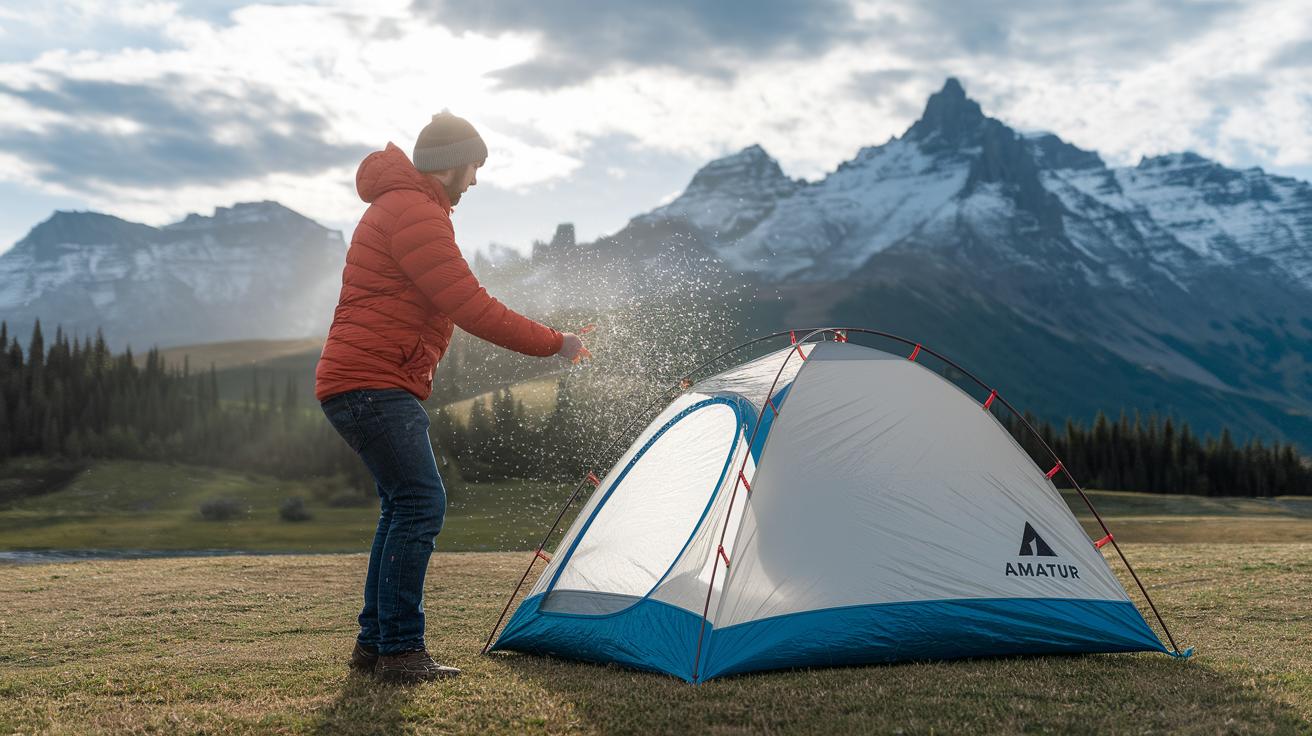
After every adventure, take a moment to shake out any dirt or leaves from your tent. Give the rain fly a gentle wipe-down with a little soap and water. Let everything dry completely before you pack it up so no dampness lingers and causes mold. Keep your tent stored in a cool, dark spot to protect it from harsh sunlight and keep the fabric strong. A little regular cleaning and careful storage will keep your tent ready to face rainy days and make every outdoor trip a breeze. For your tent to stay waterproof for the long haul, make sure to reseal the seams every 12-24 months or after heavy use using the sealant recommended by the maker. If you find any small holes, patch them up right away with a repair kit made for tent fabric. When the water-repellent spray starts to fade, give your tent a fresh coat to bring back that slippery bead effect. Keeping up with these little fixes means your tent will always stand up to the rain. Trust us, a bit of regular care now means you can always look forward to dry, worry-free days out under the sky. Setup Techniques to Boost Waterproofness in Wet ConditionsWhen choosing a camping spot, pick a place with a gentle slope and natural drainage. It helps water run off quickly and stops puddles from forming under your tent. Lay a footprint a bit smaller than the tent floor to block splashes from nearby water. Picture a little barrier keeping each raindrop from sneaking in. Next, get the rain fly set up just right. Secure the guylines firmly at key spots to keep the fly tight. A snugly fitted rain fly stops saggy spots where water might pool and hangs neatly over your tent. Draping it over the vents creates an air gap that reduces condensation. It’s like setting up a quick drip-proof shelter, with every stake adding to a solid, water-friendly shield. For heavy showers, add a small tarp ridge above the peak to channel extra water away from your tent. When the rain eases, open the lower vents to let out trapped moisture without inviting more rain inside. This simple vent trick keeps your tent dry and comfortable, even when the weather gets really tough. Comparing Budget vs Premium Waterproof Camping Tents
Budget tents use simple, waterproof fabrics like PU-coated polyester and basic seam taping. They do a solid job, though you might notice they feel a bit heavier when you pack them up. Mid-range tents step it up with silicone-treated fabrics and sturdier construction. They offer better water resistance and feel lighter, almost like upgrading from a basic raincoat to one that really keeps you dry. Premium tents are in a league of their own. They feature top-grade materials, innovative frame designs, and handy extras like full-length vestibules. Their higher cost reflects advanced waterproof coatings and robust build quality that you can rely on during heavy rain. Investing in these tents means you're not just getting shelter, but a reliable stand against even the wildest weather. Final WordsIn the action, we broke down how to pick a reliable camping tent waterproof for any outdoor setting. We looked at waterproof ratings, sturdy materials, and careful setup techniques while comparing budget and premium options. Each section highlighted practical tips, from measuring hydrostatic ratings to simple maintenance tricks, all designed to help you stay dry and comfortable. Every detail counts when it comes to enjoying safe and pleasant nights outside. Embrace your next outdoor venture feeling confident and ready for whatever weather comes your way. FAQWhat features define a heavy duty waterproof tent?The heavy duty waterproof tent stands out by using high hydrostatic head ratings, sealed seams, and extended rain fly coverage. Its materials, such as treated nylon, provide reliable rain protection for harsh conditions. How do pop up camping tents achieve waterproofing?The waterproof pop up camping tent achieves quick setup with pre-attached components and sealed seams, paired with a waterproof coating that keeps rain out while making packing up hassle-free. What options exist for waterproof tents in different sizes like 2, 3, 4, or 5 person models?Waterproof tents come in various sizes, with compact 2-person models for solo outings and roomier 3, 4, or 5-person options. Each uses strong waterproof ratings and thoughtful design to suit diverse camping needs. How can I find the best waterproof camping tent nearby?Finding the best waterproof camping tent nearby means checking local retailers and online reviews for models with proven weatherproof ratings, robust construction, and user-friendly setups perfect for outdoor adventures. |