

Have you ever imagined your outdoor meal glowing under a starry sky? A camping stove can be the secret ingredient that turns your campsite into a mini kitchen. It's not just about heat, these portable wonders make cooking feel fun and effortless. In our guide, we share our favorite picks and the essential features to help you craft delicious meals outdoors, whether you're flying solo or hosting a small gathering.
How to Choose the Best Camping Stove: Essential Features
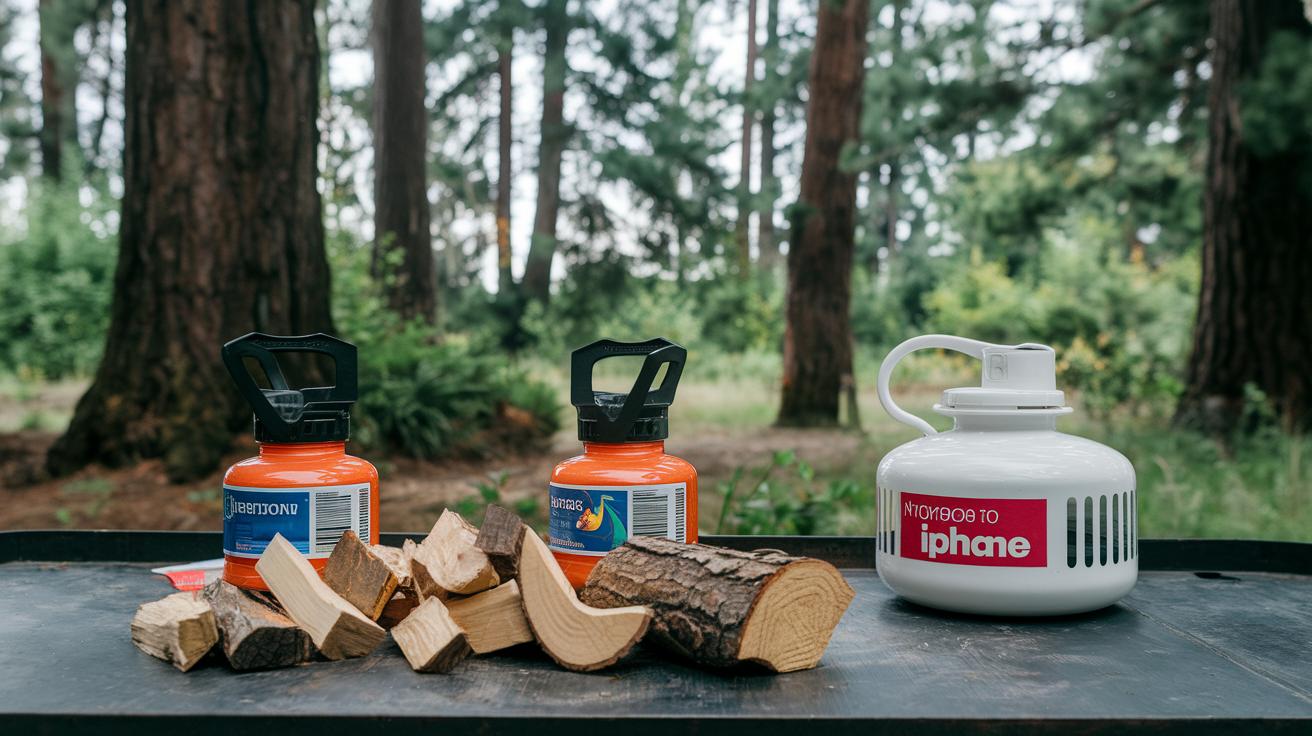
When picking out a camping stove, the very first thing to consider is capacity. Think about how many pots you might need to heat at once. If you're headed out on a solo trek, a single-burner might be perfect. But if you're planning meals for a group, you may want a stove with two or three burners, almost like hosting a fun, casual cook-off in the great outdoors.
Fuel type is another important factor. Propane stoves are great for steady heat even when the weather is unpredictable. Butane works best when it's warmer than 40°F, and wood-burning stoves offer a renewable fuel option that can give your meals a touch of natural flavor. Imagine a cool morning where you switch to a butane stove and everything warms up just right as the day gets a bit warmer.
The stove’s power is key as well. Most burners offer between 9,000 and 30,000 BTUs, while many tabletop models pack around 10,000 BTUs per burner. A larger cooking area means you can use multiple pans simultaneously, but remember, more power can lead to a higher cost. Also, consider portability, a compact model might weigh under 1 lb, whereas a robust two-burner unit could weigh over 10 lbs.
Ease of use rounds out the essential features. Look for a stove that assembles easily, lights reliably, and lets you control the simmer without fuss, even on windy or chilly days. With these details in mind, you're all set for a fun and efficient outdoor cooking adventure.
Types of Camping Stoves and Their Pros and Cons

For those hitting the trail solo, backpacking stoves shine with their feather-light design, weighing just 7 to 12 ounces. They slip easily into your pack, though you might find that dialing in a gentle simmer, like when you’re trying to prep a delicate sauce, can be a bit tricky.
Ultralight stoves are even sleeker, clocking in at only 2 to 4 ounces, and they often come with an integrated pot system. They’re real speed demons when it comes to boiling water, which is great for quick meals on the go. One camper said, "I couldn’t believe how fast my ultralight stove boiled water, it felt like having my own mini kettle!" Just know, if you’re a stickler for fine-tuned temperature control, these stoves might feel a bit basic.
Now, if you’re planning a cookout or need something that stands up to windy days, two burner camp stoves are your go-to. Think of models like the Coleman Classic, weighing around 10 to 15 pounds, which pack plenty of power with higher BTU output, wind guards, and an extra-large cooking area. Imagine firing up two burners to whip up multiple dishes at once, it’s perfect for group adventures.
Wood-burning stoves, like the ever-popular Solo Stove, bring an eco-friendly vibe by using natural twigs and lending a rustic charm to your meals. They do need a stable base and proper ventilation though, so keep that in mind. And then there are compact camp burners that nest right into your cookware. These clever designs make packing a breeze and typically include built-in wind screens to help keep the flame steady outdoors.
| Stove Type | Weight (oz/lbs) | Fuel Type | Best For |
|---|---|---|---|
| Backpacking Stove | 7–12 oz | Propane/Butane | Solo use |
| Ultralight Stove | 2–4 oz | Butane/Isobutane | Quick boil setups |
| Two Burner Camp Stove | 10–15 lbs | Propane | Group cooking |
| Wood-Burning Stove | Varies | Wood | Eco-friendly outdoor fire |
| Compact Camp Burner | Varies | Propane/Butane | Space-saving setups |
Fuel Options for Camping Stoves: Propane, Butane, Wood, and Multi-Fuel

When you’re out camping, choosing the right fuel can really make your cooking time enjoyable. Propane stoves start up even when the weather gets chilly, giving you a steady, reliable flame. They usually burn about 200–300 g of fuel per hour, so you get quick heat and smooth flame control. One camper even said his propane stove kicked off so fast that meal prep felt like a breeze on a cold morning.
Butane and isobutane stoves shine when it’s above 40°F. They use special flux rings to boost heat transfer so water boils up fast. These stoves are simple to use and work like a trusty friend on a warm day, making cooking easy without any extra fuss.
Multi-fuel stoves, like the MSR WhisperLite, are great for flexibility. They can run on white gas, kerosene, or even auto fuel after a short priming step. They’re perfect for campers who want to mix efficient performance with fuel options that fit different situations.
Wood-burning stoves, such as Solo Stove or BioLite, bring a natural vibe to your campsite. Using twigs or pellets, they give you a rustic cooking feel with less packaging waste. Just be sure to set them up in a ventilated area for safe use, balancing that old-school charm with modern safety.
Simple tricks like using wind screens and adjusting your simmer settings can boost your stove’s performance. Keeping track of how much fuel you use per meal helps too. And don’t forget to check your stove’s manual for tips on storing and handling fuel safely. Even small changes, like centering the flame under your pot, can make a big difference. Always take care when handling fuel, it’s all about staying safe and enjoying your adventure.
Top Camping Stove Brands and Performance Ratings

Cooking outdoors just got easier when you know exactly how each stove performs. Each model brings its own benefits, from speedier boiling to more powerful BTU output, so you can find the perfect match for your cooking style. Whether you're whipping up a meal in the backcountry or enjoying a family camping trip, these ratings help you quickly see the standout features.
Take the Snow Peak Home & Camp Butane as an example. It runs on butane and pushes out 8,333 BTU, earning a solid 4.8/5 rating. It even boils one liter of water in just 5.5 minutes, making it a dependable choice for quick meal makings on the go. Then there's the Coleman Classic 2-Burner, known for its versatile griddle and wind guards, that fires up at 20,000 BTU per burner and earns a 4.5/5 score. It's a top pick for busy camp kitchens where you need both power and efficiency.
If you’re after a stove with a modular design that can even add an oven attachment, check out the Camp Chef EX60LW Explorer. With a punchy 30,000 BTU output and a rating of 4.3/5, it's designed for those who want options. Plus, the Jetboil Genesis Basecamp comes with a built-in tripod, offers 20,000 BTU, and even boils water in under four minutes – perfect when time is short. And for fans of traditional, canister-free cooking, the wood-burning Solo Stove Campfire gives a rustic feel, with a boil time of 12 minutes and a rating of 3.8/5.
| Model | Fuel Type | BTU Output | Rating | Boil Time |
|---|---|---|---|---|
| Snow Peak Home & Camp Butane | Butane | 8,333 BTU | 4.8/5 | 5.5 min |
| Coleman Classic 2-Burner | Propane | 20,000 BTU per burner | 4.5/5 | , |
| Camp Chef EX60LW Explorer | Propane | 30,000 BTU | 4.3/5 | , |
| Jetboil Genesis Basecamp | Propane | 20,000 BTU | 4.7/5 | <4 min |
| Solo Stove Campfire | Wood | N/A | 3.8/5 | 12 min |
These easy-to-read ratings and specs let you see the differences at a glance so you can choose the right stove for your outdoor adventures. It’s all about balancing power, speed, and style to make your cooking experience as fun and stress-free as possible.
Ultralight Camping Stove Options for Backpacking
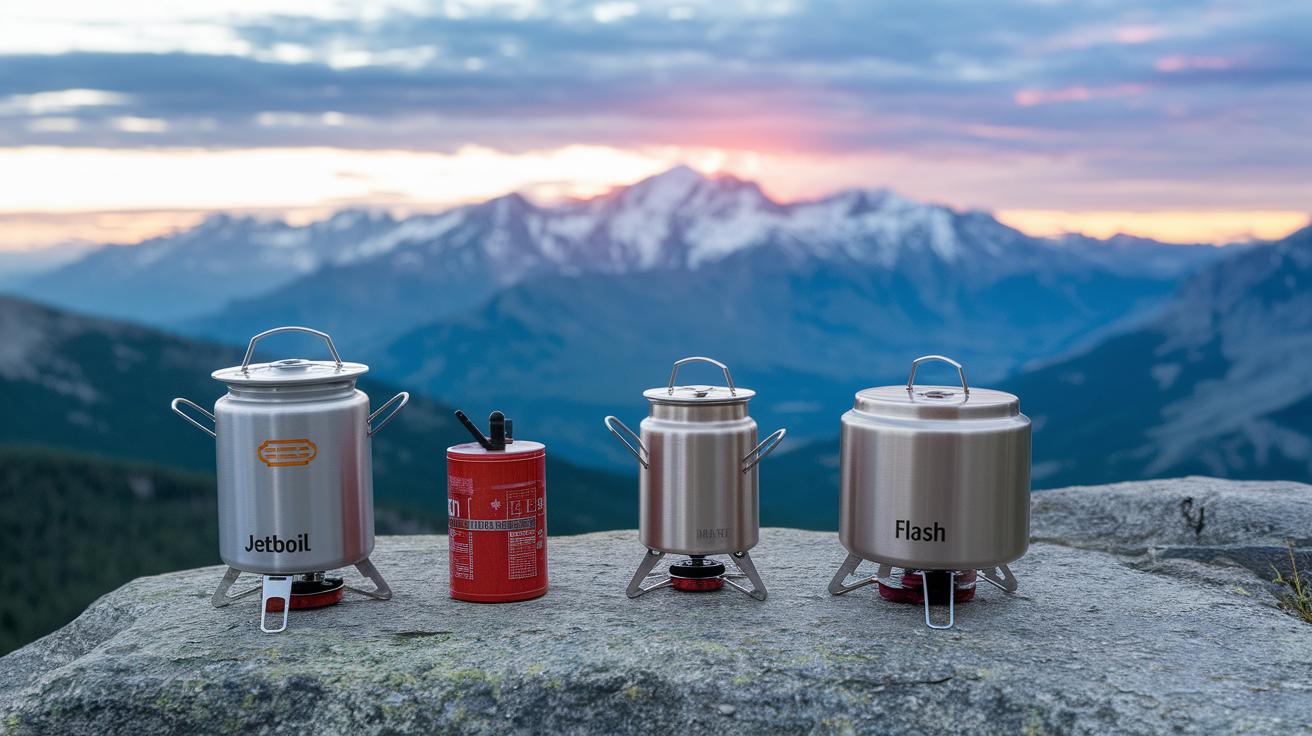
If you’re heading out on a long trek and need a stove that won’t weigh you down, these ultralight options might be just what you need. They’re designed to be super quick and easy to pack so you can keep moving fast.
Take the Jetboil Flash, for example. It weighs only 13.1 oz with fuel included and can boil 0.5 liters of water in just 2.5 minutes. Its built-in pot means you get a neat, all-in-one setup for whipping up a quick, hot meal on the trail. One camper even mentioned it felt like carrying a personal hot kettle!
Then there’s the MSR PocketRocket 2, which stands out with its tiny 2.6 oz burner that runs on isobutane. It’s all about keeping things simple and effective. And if you’re looking for a bit more control in your cooking, the Soto Amicus offers precise simmer settings along with a sturdy base for added stability.
For those who want maximum efficiency, the Primus Lite+ is a great pick. It features a well-thought-out windscreen that ensures an even burn, though you'll need to use your own pot. With most of these stoves packing down to under 1 liter, you get a compact, efficient solution perfect for any long-distance hike.
Safe Operation and Maintenance Tips for Camping Stoves

Before you hit the trail, give your camping stove a quick once-over. Check things like the O-rings, seals, and fuel lines, just like you’d peek at your car’s tires, to keep everything in tip-top shape.
It’s a good habit to test the ignition every time. A fellow camper once said, "Testing the ignition each time makes me feel more secure in the wild." And hey, having a spare piezo igniter or a trusty lighter in your pack means you’re never left in a pinch.
Make sure to run a fine wire through the jets for a thorough clean, and if you’re using a wood stove, brush off that soot after every use. Always set up your stove on a flat, clear surface, use wind screens the right way, and keep your fuel canisters away from any heat.
When you’re done, store your stove in a dry spot. If possible, take it apart and label the little parts, this simple step can save you time and hassle when you’re ready to cook again.
- Check O-rings, seals, and fuel lines for any signs of wear or damage
- Clean jets and remove soot from wood stoves after every use
- Test the ignition and pack a spare igniter or reliable lighter
- Store in a dry place and label small parts for easy reassembly
Comparative Review of Affordable and Premium Camping Stoves

When you're out shopping for a camping stove, finding the perfect balance between cost and performance is a big deal. For instance, you can pick up a simple, single-burner propane model for under $30. These stoves are super lightweight and perfect for whipping up a quick meal on the trail. Sure, you might miss out on having that smooth simmer control, but sometimes a little adjustment in your cooking style can work just fine. One camper even mentioned how much they loved the stove's light feel, even if it meant a few tweaks in the kitchen process.
Moving up to the mid-range, stoves priced from about $60 to $120 usually surprise you with a few extra perks. Think of them as having two burners with upgraded wind guards and even an option for a griddle. This extra power means more BTUs compared to the entry-level models, so you're getting a bit more versatility for things like windy days or unexpected weather changes. It’s as if these stoves are ready for a bit more adventure while still keeping things friendly for everyday cooking outdoors.
Then there are the premium modular systems, which cost over $120 and really push outdoor cooking into a new league. These are built with durable materials and offer precise heat control that makes it feel like you're cooking in a professional kitchen, right under the stars. Plus, they often come with cool innovations like built-in ovens or dual-fuel capabilities. With warranty support and spare parts on board, you can have extra peace of mind for those long adventures. One user even said upgrading to a premium stove completely transformed their outdoor cooking experience, making it feel nearly professional.
- Budget Options: Single-burner propane units that are lightweight and offer basic simmer control
- Mid-Range Options: Models with two burners, improved BTU output, wind guards, and larger cooking spaces
- Premium Options: Modular systems loaded with advanced features, top-notch durability, and warranty support
At the end of the day, while those budget stoves can tempt you with a low price, investing a bit more might bring you better performance and value that lasts for years to come.
Final Words
In the action, the post breaks down what to look for when choosing a camping stove. It covers capacity, fuel options, power output, and portability to help make smart decisions. The guide compares different models and explains key features like ease of use and safety. With tips on weighing budget versus performance, readers get a clear vision for a secure, efficient shopping experience. Enjoy your search, knowing every camping stove recommendation is designed to help you cook outdoors with confidence.
FAQ
Q: What is the best camping stove?
A: The best camping stove depends on your needs. It should deliver reliable performance with your preferred fuel, easy setup, and handy safety features to keep your outdoor cooking smooth and enjoyable.
Q: How does a portable propane stove benefit campers?
A: A portable propane stove offers reliable ignition and efficient heat output in a compact design. It simplifies outdoor cooking, letting you focus on fun times around the campfire.
Q: What are wood-burning camping stoves known for?
A: Wood-burning camping stoves use twigs or pellets for fuel, making them eco-friendly and perfect in areas with available firewood. They create a cozy vibe but require a stable, ventilated setup for safety.
Q: How do electric camping stoves perform outdoors?
A: Electric camping stoves work well when you have a nearby power source, though they’re less popular for rugged, off-grid use. They suit campsites with hookups rather than remote adventures.
Q: What features make a good two-burner camping stove?
A: A good two-burner stove provides strong heat output, supports multiple pots, and comes with wind guards. Its stability and versatility are ideal for group cooking and varied recipes.
Q: How do backpacking camping stoves differ from others?
A: Backpacking stoves are ultra-light and compact, focused on quick boil times with simple controls. They are perfect for solo travelers and long hikes where saving weight and space is key.
Q: Can I hook up a 20 lb propane tank to a Coleman stove?
A: Yes, you can hook up a 20 lb propane tank to a Coleman stove if it supports that tank size. Always review the manufacturer’s guidelines to connect safely and correctly.
Q: Is Jetboil better than traditional stoves?
A: Jetboil systems are praised for fast boil times and an all-in-one design, making them great for quick, single-pot meals, while traditional stoves offer extra versatility for multi-pot cooking.