

Ever wonder if tough times can shape the way we dress today? Back in the 1940s, strict fabric rules pushed designers to lean into clean and smart designs. When materials ran low, they had to get creative, blending function with a bit of flair to make every piece a clever statement. And you know what? Those bold ideas still shine in today’s trends, proving that creativity born in hard times can leave a lasting mark. Our article takes a friendly look at how that innovative spirit continues to influence modern wardrobes.
Origins and Overview of 1940s Fashion
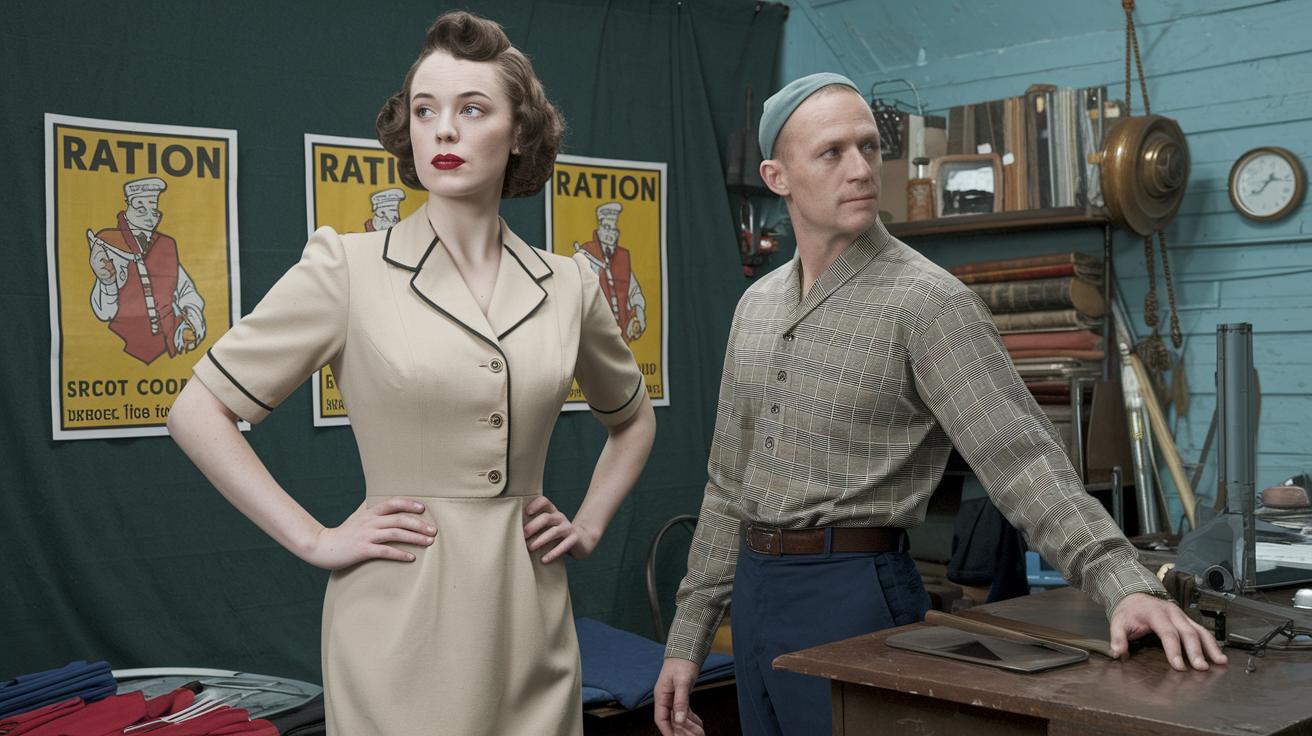
Back in the early 1940s, global events completely reshaped fashion. Basically, world conflicts and new government rules meant people had to rethink what they wore. In the U.S., the War Production Board rolled out the L-85 guidelines in April 1942. This meant limits on fabrics like wool, cotton, silk, and others, pushing both designers and shoppers away from the over-the-top styles of the 1930s towards more practical, streamlined looks. Fun fact: in 1942, saving fabric led to chic, simple designs that we still admire today.
Over in Britain, the story was pretty similar. Their CC41 Utility Clothing Scheme kicked off in 1941 and hit its peak by 1943, giving designers strict rules on things like pockets, pleats, and extra decorations. Instead of fancy extras, clothes were made to be simple and practical, while still keeping an eye on style. The challenges of wartime situations sparked new ideas, turning everyday wear into something both smart and functional.
As times changed, so did the silhouettes we wore. With less fabric available, clothes became more minimalist and practical, with manufacturers and tailors focusing on clean, simple lines that worked well with limited materials. Take a classic 1940s day dress, for example, it was designed with careful detail that made the most of every bit of fabric while still looking elegant. All the world events and rules mixed together to create a style that balanced necessity with a timeless appeal, setting trends that still resonate today.
Women’s Elegance and Utility in 1940s Wartime Fashion
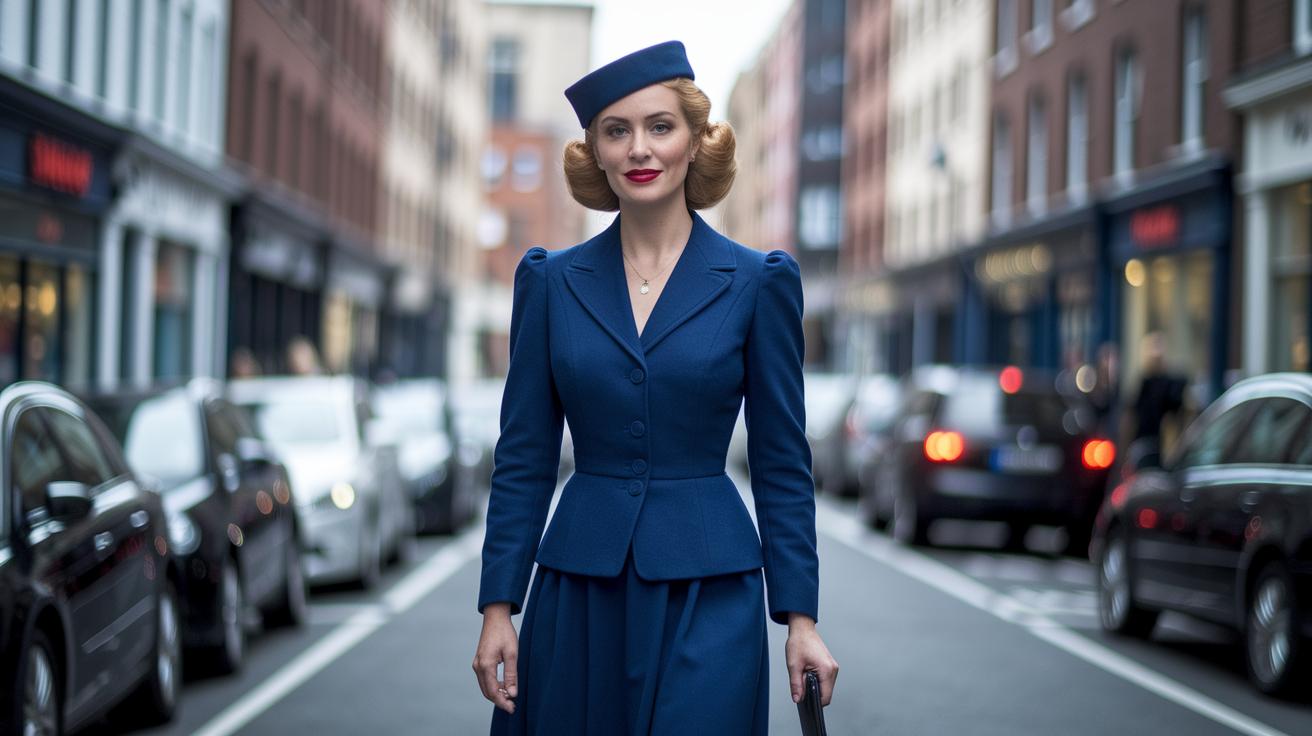
During tough war years, women discovered a clever balance between function and style. Designers had to think outside the box, sticking to strict fabric rules, like keeping skirt lengths to 26 inches and sleeves to 16 inches, with no extra cuffs or fancy trims. It was a challenge that led to clean, refined looks that still managed to feel sophisticated.
Across the pond in the U.S., the L-85 order pushed for using fabric wisely, which resulted in simpler, cleaner cuts. Picture this: a woman in a neat A-line skirt paired with a jacket boasting padded shoulders and a secure waistband. It shows how smart design can mix practicality with a touch of elegance, proving that style can be both simple and striking.
Then there was the Make Do and Mend campaign, where women turned worn-out outfits into fresh, updated classics. It wasn’t just about following tough rules, it was a chance to be inventive. Even little tweaks, like replacing a missing trim with a clever pin, added charm to a garment. Both designers and wearers saw these challenges as opportunities to craft pieces that tell a story of resilience and grace. Wow, even with limits, true elegance always finds a way to shine.
Men’s Style and Tailored Suits in 1940s Fashion
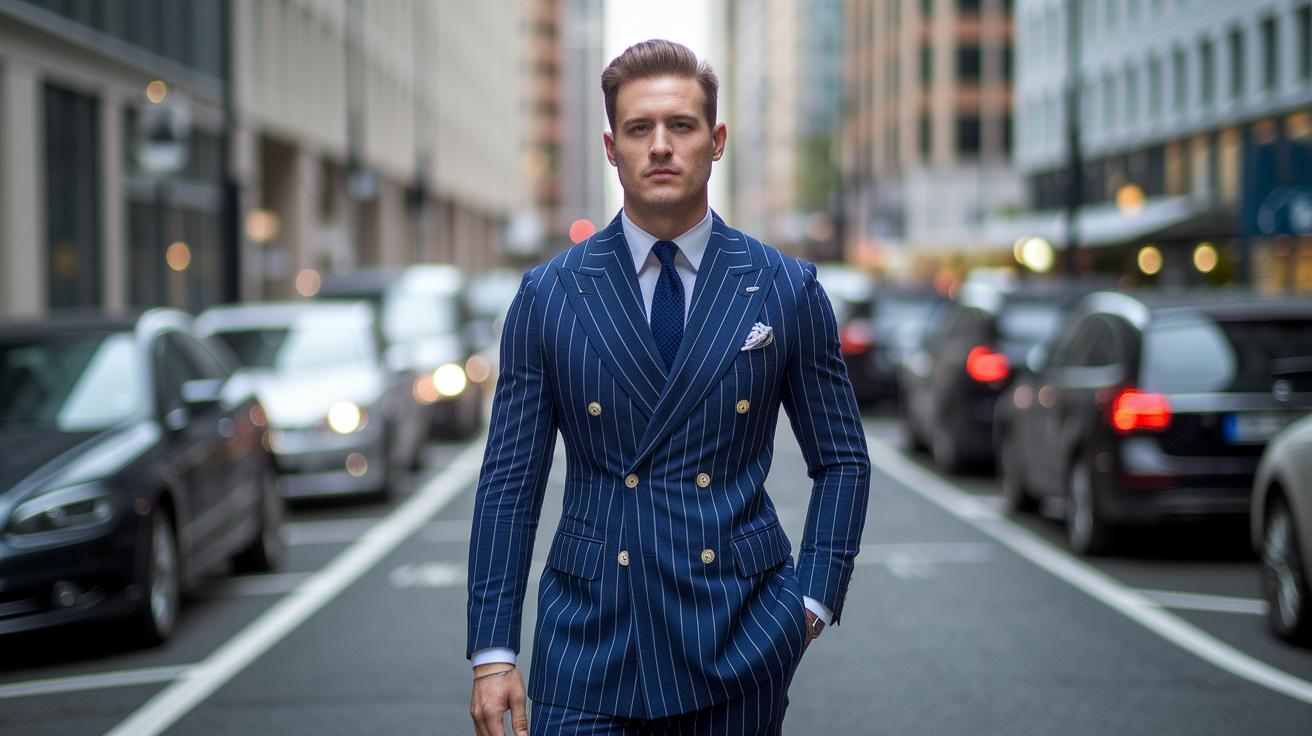
During WWII, men shifted their style by borrowing sharp elements from military uniforms. Think about it, a man in a double-breasted jacket with broad, padded shoulders and a narrow waist, giving off a vibe of discipline and modern confidence.
Because of the L-85 fabric limits, designers had to go with slim lapels and fewer trouser pleats. The result was a suit that looked neat and practical, kind of like a no-fuss, crisp outfit that still managed to turn heads.
Casual wear got its own twist too. Cozy knitted pullovers, utility trousers for extra comfort, and fedora hats for a laid-back yet stylish touch became all the rage. Pinstripe patterns added just a hint of formality, making even everyday looks a bit special.
This era was all about making smart choices with limited resources. Picture a well-dressed guy mixing a smart blazer with utility trousers, a perfect nod to military precision mixed with off-duty ease. Each piece struck a balance that still inspires style today.
Iconic Silhouettes and Draping in 1940s Fashion
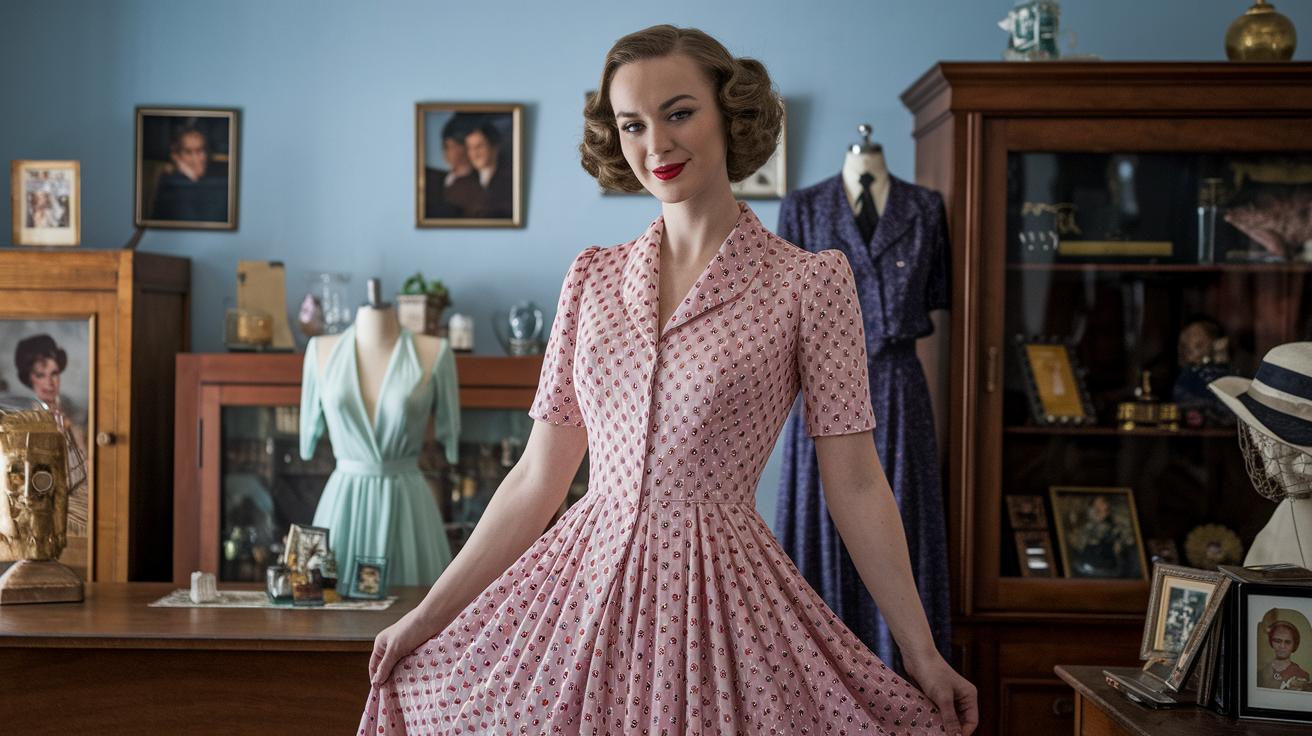
The 1940s was a real turning point in fashion. Clothes transformed from being purely functional to showcasing refined, luxurious drapes. Women started wearing styles that highlighted snug, nipped waists, gently padded shoulders, and full A-line skirts that moved gracefully. Christian Dior’s New Look debut in February 1947 is a perfect example. Imagine those sweeping 25-yard skirts teamed up with slim, corseted bodices, this fresh design brought hope and reinvented silhouettes after the tough war years. Fun fact: before Dior stirred things up, many women felt they were missing out on beauty until a well-designed dress breathed new life into their wardrobe.
Around 1946, peplum jackets also made their first appearance. These jackets added a smart, structured twist to everyday outfits. They worked effortlessly over simple tops, creating a clear yet feminine profile that resonated with many. The key features of that era included:
- Nipped waists that naturally enhance curves.
- Softly padded shoulders that add a graceful lift.
- Full A-line skirts that move fluidly with every step.
This shift from the strict styles of wartime to flowing, elegant drapes wasn’t just practical, it was delightfully sophisticated. Even today, designers look back to these classic shapes for inspiration. Every curve and every fold carries a touch of resourcefulness and creativity, reminding us of a time when fashion evolved into a real art form.
Accessories, Headwear, and Jewelry Trends in 1940s Fashion
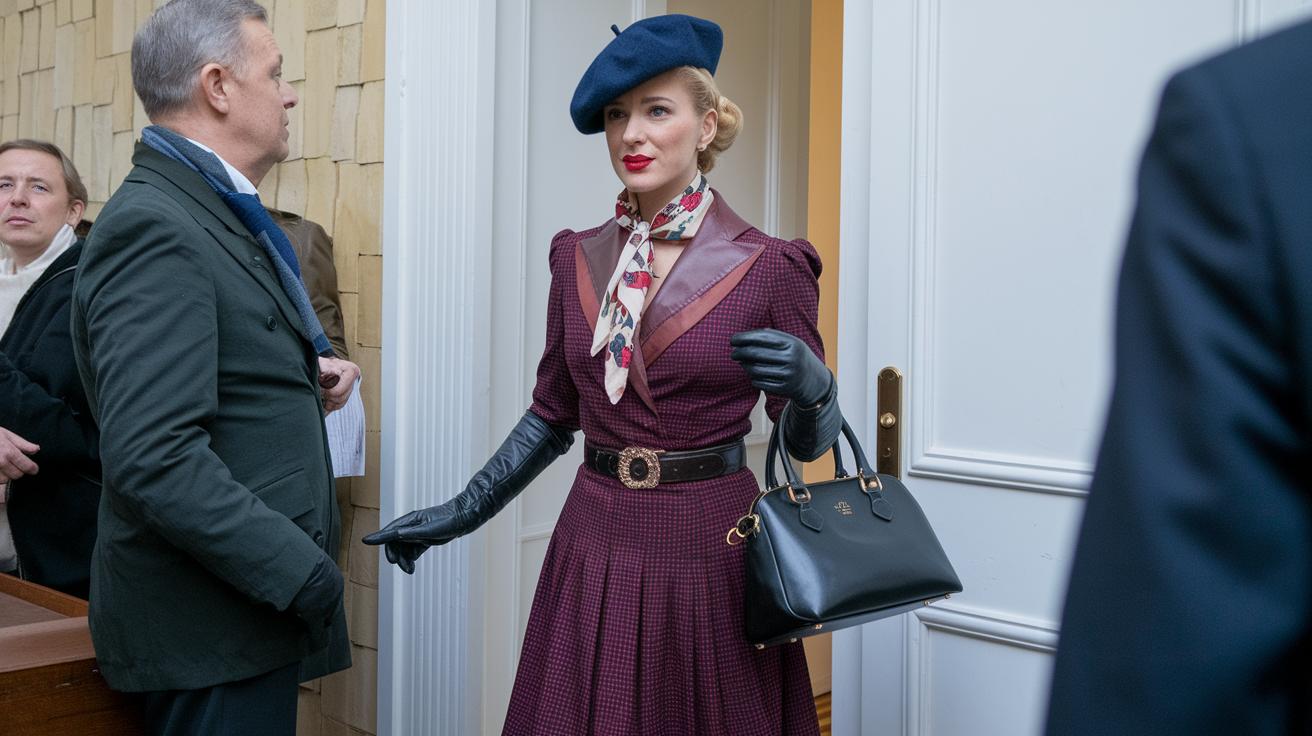
Back in the 1940s, accessories were the secret sauce that brought an outfit together with both style and function. Think leather gloves that added a polished look, structured handbags that spoke of confidence, and scarves that were as practical as they were pretty. Amid wartime fabric shortages, these pieces still let a woman show off her personal flair. Imagine her walking into a room with a sleek handbag that quietly shouts chic.
Hats were a big deal too. Whether it was a classic beret, a cute tilt hat, or even a trendy turban, headwear was all about mixing practicality with a touch of elegance. Picture a sunny day when a stylish tilt hat not only keeps the sun at bay but also wraps up your look perfectly, adding an effortless hint of sophistication.
Jewelry also played its part. Affordable clip-on earrings and bakelite bracelets became popular picks, matching the patriotic spirit of the time. Brooches, often featuring patriotic designs, allowed people to subtly wear their national pride. Here are some highlights from the era:
| Key Trend | Description |
|---|---|
| Leather Gloves | A polished accessory that elevated any outfit. |
| Structured Handbags | Confident and chic, perfect for adding a touch of elegance. |
| Headwear | From berets to turbans, combining practicality with style. |
These trends not only captured the spirit of the wartime era but also continue to inspire fresh, modern looks today.
Hair and Makeup Looks of the Wartime Era
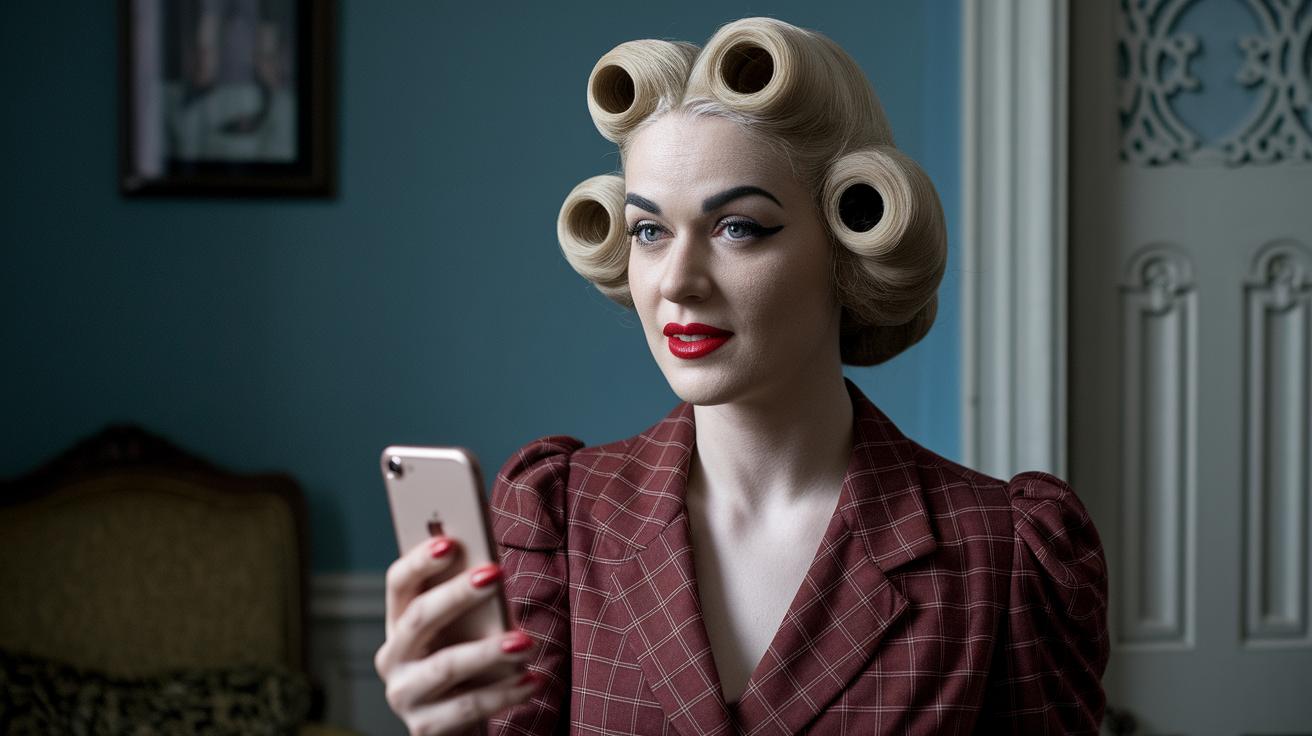
Back in the 1940s, beauty was all about mixing smart practicality with a touch of glamour that still fires us up today. Women rocked hairstyles like victory rolls, pin curls, and the classic shoulder-length pageboy, which were all about keeping things neat and stylish. Imagine a woman with perfectly rolled curls, each one a little nod to the strength and spirit of that era.
Red lipstick was more than just a pop of color, it was a burst of optimism. Companies even celebrated it as a morale booster, turning a simple swipe of red into a quiet declaration of resilience. Foundations were kept light, matching the limited supplies available, so faces looked fresh and natural. Brows were lightly shaped and cheeks had just a hint of blush, adding to the effortless charm.
A swipe of red during tough times wasn’t just about beauty. It was a subtle sign of strength. Wartime makeup was all about making the most of what you had, enhancing natural beauty in a way that still feels inspiring today. These smart, minimal techniques set the stage for modern looks where simplicity and impact go hand in hand.
Modern Revival and Styling Tips for 1940s-Inspired Fashion
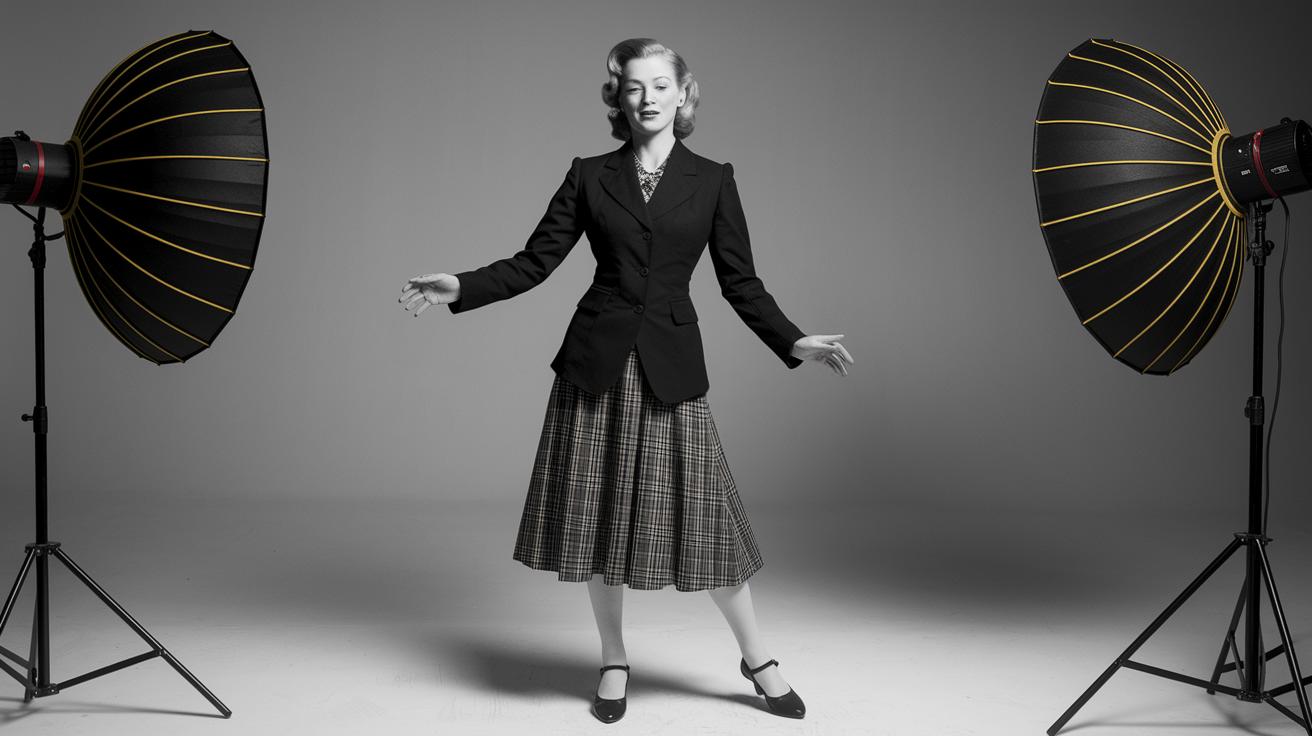
Ever wonder how to give your modern wardrobe a splash of 1940s charm? Start by hunting for classic patterns that remind you of the good old days. Instead of today's common stretch fabrics, try using traditional materials like rayon or wool. They bring a genuine texture that feels both authentic and comfy.
Mixing in iconic details is a must. Picture pairing a revamped A-line skirt with a silky blouse and a few simple accessories. And how about a padded-shoulder blazer? It captures a bit of that wartime structure while giving a nod to post-war flair. Then there’s the trusty utility shirt, ideal for layering under a form-fitting vest or matching with relaxed trousers for a smart, casual vibe.
Here are some quick retro revival tips to experiment with:
| Tip | How-to |
|---|---|
| Thrift Finds | Dive into thrift stores to uncover vintage treasures that provide a solid base for your retro look. |
| Mix and Match | Blend reproduced vintage pieces with your everyday modern staples to celebrate a neat fashion transition. |
| Texture Play | Experiment with different textures, like teaming a classic wool blazer with a comfy cotton tee. |
Just imagine combining the structured lines of a famous New Look with today's laid-back style. It creates outfits that are both rich in history and perfectly on trend. Give it a try, you might just spark a timeless trend that feels as fresh as it does familiar.
Final Words
In the action, we rolled through a lively look at style and substance from the 1940s, exploring how the decade's regulations and cultural shifts shaped a unique sense of elegance. We covered women’s practicality, men’s refined tailoring, and the era’s unforgettable silhouettes and accessories. Each element tells a story of resilience and creativity. It's exciting to see how 1940s fashion continues to inspire today’s trends, making every shopping experience a chance to experience history in style. Enjoy your exploration and feel confident stepping into your own timeless look!