


Ever notice how some styles just stick around? The smart, practical look of the 1930s still sparks inspiration today. Even when times were tough, designers whipped up chic and affordable pieces that continue to captivate us. Bold shapes, breezy dresses, and elegant touches still catch the eye, even now. In this post, we dive into how the simple, timeless charm of 1930s fashion keeps our wardrobes fresh and stylish. It's proof that true classics never lose their spark.
1930s Fashion Overview: Iconic Styles and Cultural Backdrop
Back in the 1930s, people's clothing changed to fit the tough times they faced. With the Great Depression in full swing, designers turned to practical cuts and affordable fabrics that everyday folks could easily wear. It was all about smart style meeting sensible spending, simple designs and inexpensive textiles replaced the overly extravagant details.
Hollywood also left its mark on fashion. Movie stars showcased sophisticated looks with bold, broad shoulders and dresses cut on the bias that fluttered gracefully as they walked. The magic of the silver screen inspired everyone to embrace elegant, well-defined shapes in both their formal and casual wear.
Key trends of the era included:
- Emphasizing broad shoulders
- Flowing, bias-cut day dresses
- Floor-length evening gowns
- Two-piece swimsuits that sneakily revealed a bit of midriff
- Crisp, tailored trousers for women
These innovative ideas set the tone for the decade, combining affordability with a chic, confident look. The design breakthroughs of that time continue to influence modern styles, a lasting nod to a spirit of resilience and refined elegance.
Women’s Silhouettes in 1930s Fashion: Elegance in Everyday Wear
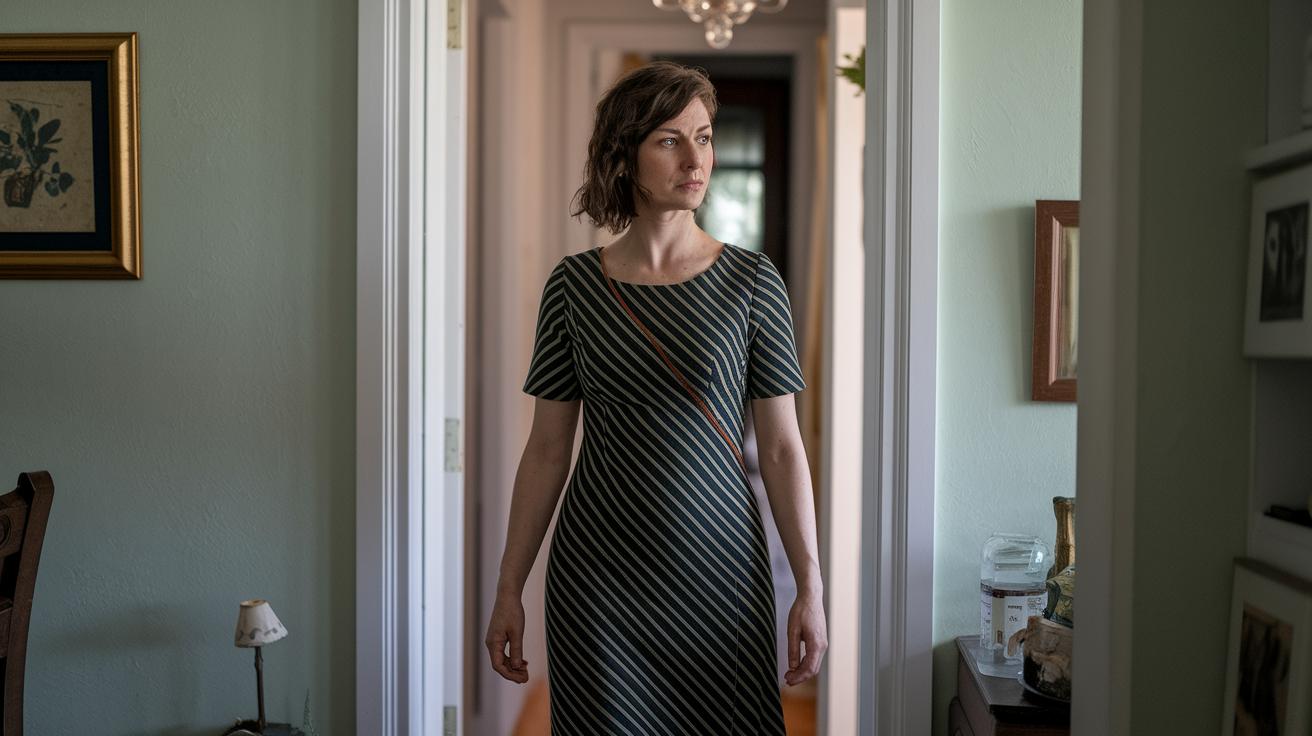
Bias-cut day dresses completely rethought everyday style. They were sliced on a diagonal so the fabric flowed naturally, gently accentuating your curves. Imagine wearing a dress that hugs you like a soft ripple, suddenly, even a simple design becomes a work of art with every graceful step.
During that era, house dresses and bolero jackets were a perfect match of comfort and chic simplicity. Mid-calf skirts teamed up with neat bolero jackets created an ideal balance for a relaxed home look. Picture a calm afternoon at home, where a light dress paired with a snug little jacket adds just the right touch of style without losing ease.
Coats of the time were all about careful design and a beautifully contoured shape. With padded shoulders and cinched waists, these coats subtly sculpted the figure, while skirts that stopped just above the ankle kept everything in elegant proportion. This keen attention to detail meant every outfit was as comfy as it was stylish, perfectly capturing the timeless allure of 1930s women’s everyday fashion.
Men’s Tailoring Heritage in 1930s Fashion: From Lounge Suits to Sporting Attire
Back in the 1930s, lounge suits became the everyday favorite. They were built with soft, natural shoulders and a nipped waist, which made them comfortable and a bit more refined too. The trousers were wide-legged and the overall fit was relaxed, so moving around was a breeze. Fun fact: many men of the time loved a suit that moved with them, choosing practicality over stiff formal wear while still looking sharp.
For outdoor and casual events, sports jackets and blazers took center stage. Made from tough tweeds and wool flannel, these jackets were not only durable but also gave off a timeless vibe. Whether you were joining a friendly game or heading out for a low-key outing, these jackets combined smart design with the charm of classic suit tailoring.
| Suit Style | Key Features | Typical Fabrics |
|---|---|---|
| Lounge Suit | Soft shoulders, nipped waist, wide-legged trousers | Wool, blends |
| Morning Coat | Structured cut, long tail, formal silhouette | Wool, flannel |
| Sports Jacket | Durable, tailored fit, relaxed design | Tweed, wool flannel |
| Dinner Jacket | Formal design, refined detailing | Silk, wool |
Every one of these garments shows a true commitment to quality. It wasn’t just about the look; the deep textures of tweeds and wool, the careful stitching, and expert craftsmanship turned suit making into an art. This blend of sophistication and simplicity really set the stage for an era of effortless style.
Key Accessories of 1930s Fashion: Hats, Gloves, and Jewelry
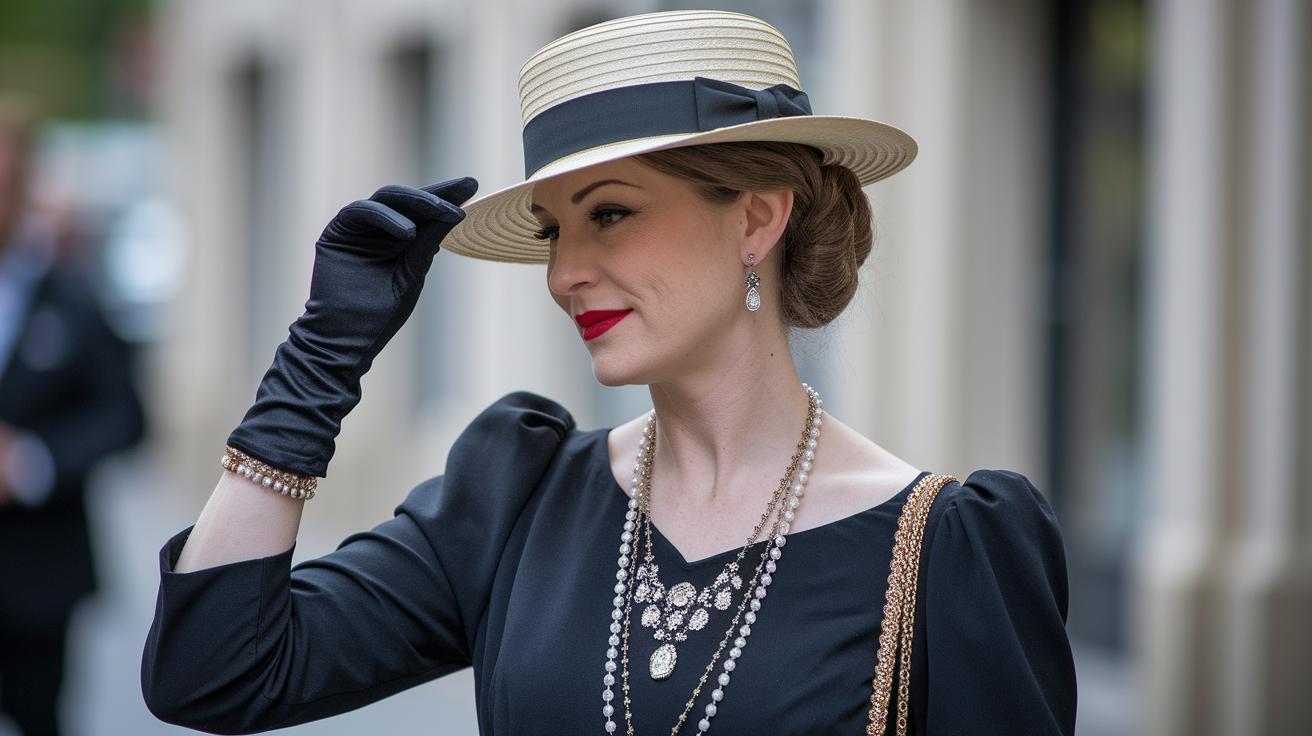
Back in the 1930s, women’s hats took on some really fresh looks. The classic cloche got a fun twist with a softer, off-center tilt, and Panama hats became the go-to style for a sunny day out. Imagine a cloche that’s been given a playful, relaxed vibe, suddenly, a timeless piece feels totally new.
Gloves were just as expressive. For a daytime look, short, wrist-length gloves made from smooth fabric were popular, while evening plans called for longer, elbow-length styles with just the right decorative touch. These gloves weren’t just practical, they added a spark of elegance, almost like a cherished family keepsake.
Costume jewelry also had its moment, taking big inspiration from art deco designs. Bold shapes and detailed accents helped each piece catch the light, giving off an affordable kind of sparkle. And when you paired these with modest heels boasting decorative straps, the whole look came together as polished and modern, a perfect mix of classic charm and contemporary style.
Iconic Designers and Film Star Influence on 1930s Fashion
Elsa Schiaparelli
Elsa Schiaparelli turned the fashion world upside down by teaming up with Salvador Dali to create those surprising shoulder pads and the wrap dress. Before her bold shift, her designs were much more traditional, but she wasn’t afraid to mix art with clothing. This fresh take gave women a new way to show off their confidence and creativity.
Coco Chanel
Coco Chanel made everyday wear feel special by popularizing the little black dress and reimagining jersey fabrics. She turned simple lines into clear, lasting style. And her layered costume jewelry wasn’t just an extra touch, it added a subtle hint of rebellion and charm to a classic look.
Madeleine Vionnet
Madeleine Vionnet perfected the art of bias cutting, which gave her dresses a graceful, flowing silhouette. Her use of Grecian draping made every outfit feel soft and balanced, turning fabric into a living work of art. Each piece seemed to move naturally with the wearer’s every step.
Film stars played a big role in these style changes too. Icons like Greta Garbo and Marlene Dietrich embraced trousers on and off the screen, mixing bold moves with timeless glamour. Captured beautifully by Cecil Beaton, their unique style blended old Hollywood charm with fresh, innovative design, leaving a lasting impact on 1930s fashion.
1930s Fashion Techniques and Garment Construction
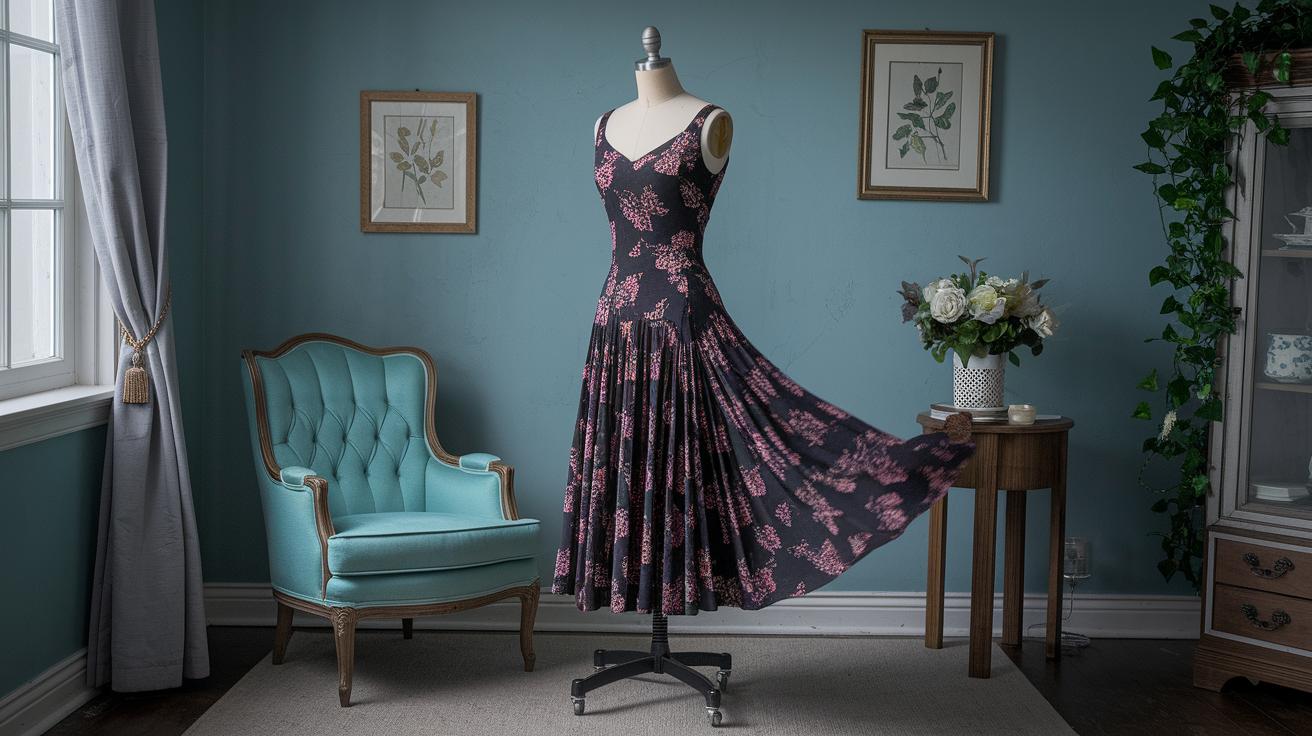
Bias-cutting was more than a neat trick, it was a real craft. Skilled seamstresses would carefully adjust patterns, blending art and a bit of math to make each cut perfect. Imagine a dress that seems to float with every step. That's the magic of bias-cutting, where the fabric's natural grain turns into a soft, flowing cascade. Each slice was planned with care to create a look that gently flatters the body.
Textiles in the 1930s were changing quickly. New materials like rayon and silk jersey became favorites because they felt soft and draped beautifully. At the same time, wool blends were chosen for sturdy, reliable coats. Designers turned lightweight fabrics into outfits that mixed style with comfort. It was a smart balance of innovation and practical design that made every garment unique.
Handcrafted details set these clothes apart. Every seam and lining was finished with the kind of care that reminded you of an artist perfecting a painting. Each stitch was placed with attention, ensuring the whole piece had a timeless charm. The result was clothing that felt personal and enduring, much like a cherished work of art.
Legacy of 1930s Fashion: Influence on Modern Style
Today’s designers are loving the 1930s vibe, mixing wide-leg trousers, bias-cut gowns, and Art Deco details into both high-street and couture collections. Picture a runway full of retro dresses in soft, nostalgic colors that seem to sway with every step. Here’s something cool: some designers rework bias-cut techniques so smoothly that each garment practically dances as you move.
The magic of 1930s fashion isn’t just about style, it’s in the craftsmanship. Those classic techniques, like precise pattern cutting and careful seam work, are still guiding modern design. It’s like a perfect blend, where every piece feels both steeped in tradition and boldly new, capturing structure and a natural flow in one go.
Vintage touches also play a big role in today’s looks. Designers are taking timeless motifs and pairing them with modern cuts to create styles that honor the past while speaking to today’s trends. Imagine a dress that blends retro embellishments with a sleek, contemporary fit, it’s all about keeping that historical charm alive with a fresh twist.
Final Words
In the action, this post traced an enticing path through the era, highlighting economic influences and Hollywood’s bold tweaks that defined classic shapes. We walked through women’s sleek daywear, men’s refined tailoring, and standout accessories that marked the spirit of resilient style. The craft behind every cut and design still echoes in today’s trends, connecting past and present. The charm of 1930s fashion reminds us that style is both a personal expression and a legacy worth appreciating.
FAQ
What type of clothing was popular in the 1930s?
The 1930s popular clothing blended practicality with glamour. Bias-cut dresses, tailored trousers, lounge suits, and statement accessories emerged from an era shaped by economic challenges and Hollywood’s stylish influence.
How can I recreate a 1930s look or what to wear to a 1930s party?
Recreating a 1930s look means choosing vintage-inspired outfits. Women might wear bias-cut dresses and cloche hats, while men can opt for tailored suits paired with period-appropriate accessories for a polished, retro vibe.
How do 1930s fashion styles differ for men and women?
The era’s style for men featured softer shoulders and relaxed lounge suits, whereas women’s outfits highlighted flowing dresses, practical trousers, and elegant accessories—each design reflecting their own charm within the same dynamic period.
What do 1930s fashion pictures reveal about the trends?
1930s fashion pictures capture dramatic silhouettes, meticulous tailoring, and bold accessories. These images showcase how the decade balanced everyday practicality with touches of Hollywood glamour.
How does 1930s fashion compare to 1940s fashion?
While 1930s style emphasized flowing fabrics and glamorous detailing, 1940s fashion shifted to more structured silhouettes and utilitarian designs. This change reflected the different social and economic influences of each time.
How does 1920s fashion contrast with 1930s style?
The 1920s were marked by flapper dresses and carefree silhouettes, whereas the 1930s embraced sharper tailoring, bias cuts, and an infusion of Hollywood glamour, creating a more refined, structured look.
What is the 3-3-3 rule for clothes?
The 3-3-3 rule for clothes encourages a balanced outfit by focusing on three clothing pieces, three complementary colors, and three distinct textures. This guideline helps create a harmonious and visually appealing ensemble.