


Have you ever wondered why 1800s fashion still gets people talking today? Back then, simple elegance met bold cues about status and style in every stitch. Imagine an era when an outfit could quietly reveal your social standing, a dash of romance, and a refined taste at an elegant ball.
In this post, we're taking a look at three standout styles that still impress today. They mix classic looks with just the right touch of everyday luxury. So, sit back, relax, and join us as we step back in time to uncover these timeless trends.
Overview of 1800s Fashion: Trends, Styles and Societal Context
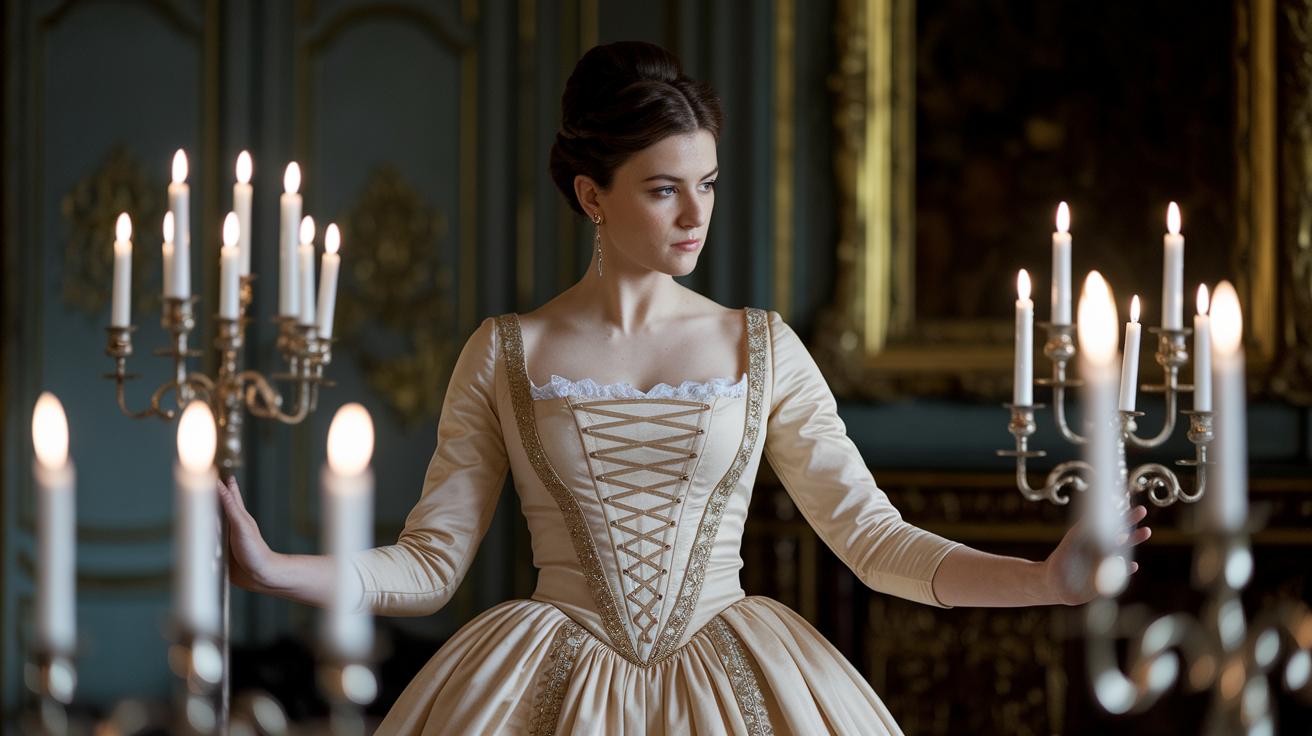
From 1795 to 1837, fashion was a blend of Regency and late Georgian styles with early Victorian touches. Early on, Empire dresses – popular from the late 1790s to around 1810 – featured high waistlines and a simple, chemise-shift silhouette that was inspired by Greek drapery. Think of a grand ball where every woman's dress radiated a quiet elegance that mixed classic looks with a hint of sophistication. France, boosted by Napoleon’s coronation in 1804, became a major trendsetter in global fashion.
Industrial changes, political shifts, and social classes all influenced the way people dressed back then. New machinery like power looms made fabrics easier to come by, and big political events, including Napoleon's rise, pushed fashion toward styles that were both luxurious and practical. The rich loved fancy fabrics such as silk and brocade, while everyday folks often wore wool or coarser cotton. In this way, your outfit could clearly show your social rank and even hint at your political leanings.
These changes also shaped how clothing was made and worn. As factories grew and political climates shifted, clothing became a way for people to express their identity. Around the time fashion was moving into the Victorian era, elite women paired narrow waists with full, structured skirts to signal refined taste, while echoes of the Empire style still showed up in everyday wear. It was like a visual conversation where every cut and fabric choice told a story about who you were and where you came from.
Women’s Silhouettes in 1800s Fashion: From Empire Lines to Bustles
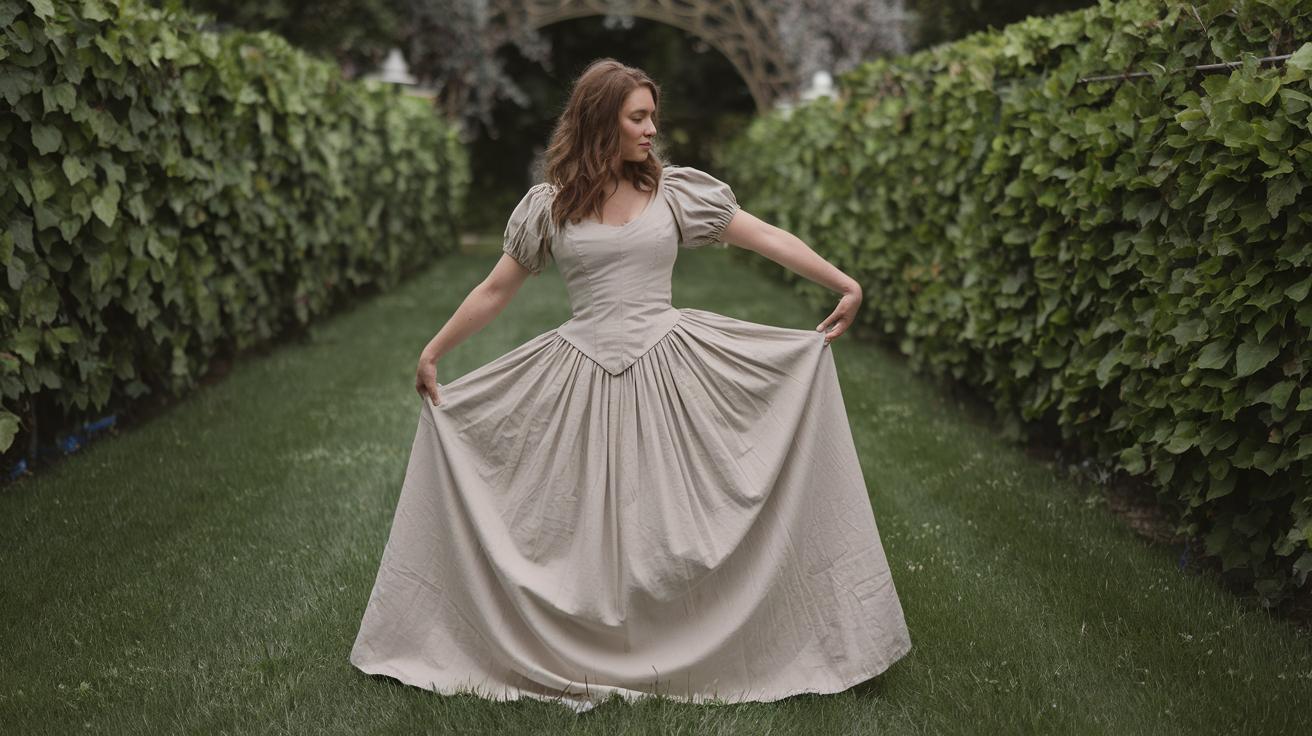
In the 1800s, women's fashion was more than simple clothing. It was a way to show personality, social rank, and the design style of the era. Early on, the Empire style ruled from around 1795 to 1810. This look featured high-waist chemise shifts made from light muslin or lawn that flowed gracefully and allowed natural movement with a subtle Grecian charm.
Shortly after, in 1811, Gothic touches added broader shoulder lines. Pelisse coats and Spencer jackets were introduced, layering the outfit with structure and giving feminine forms a fresh twist. And as the century moved on, boned bodices kept the waist defined, preparing the scene for later, bolder styles.
| Era | Support Structure | Visual Effect |
|---|---|---|
| 1795–1810 | High-waist chemise shift | Grecian drape |
| 1837–1850 | Boned bodice + full skirt | Hourglass |
| 1850–1870 | Cage crinoline | Wide bell shape |
| 1870–1900 | Bustle pad | Back fullness |
These design elements were not just about support; they also signaled a woman's rank and the event she was attending. Shifting from a delicate chemise to a dramatic bustle meant the style was both comfortable and eye-catching. A woman’s silhouette, defined by a crisp boned bodice or the gentle sway of a crinoline, told a story of style and charm that resonated during quiet salon afternoons and lively social gatherings alike.
Men’s Formalwear Traditions in 1800s Fashion and Tailoring
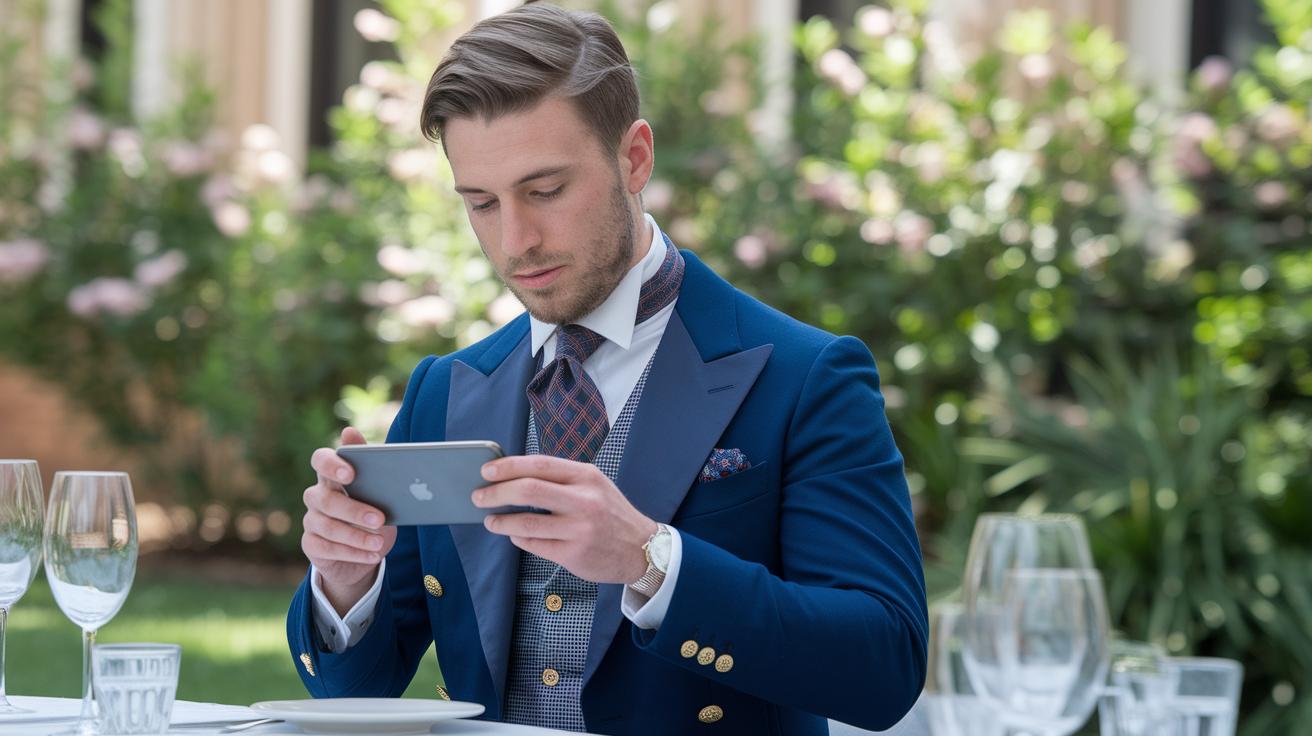
Back in the 1800s, daytime look was all about choosing the right coat. Frock coats were the everyday go-to for a neat, smart style, while morning coats provided a clean, polished vibe for fancier daytime events. And when evening came around, tailcoats made a striking impression with their sleek design and eye-catching tails. Imagine sporting a crisp frock coat at a sunny outdoor luncheon, it instantly told everyone you had refined taste and knew your social place.
Collars, neckties, and waistcoats were just as important in pulling the whole look together. High, starched collars paired with neatly tied cravats completed the ensemble, and waistcoats with their layered design added that extra touch of class. It’s like having a perfectly pressed waistcoat that works hand in hand with a sharply styled collar to show off not only your smart silhouette but also your knack for detail.
Top hats also went through a change, evolving from their stiff, stovepipe shape to softer, more comfortable styles as the years passed. Custom tailoring, especially from Savile Row starting in the 1840s, took these classic looks to the next level. Picture a gentleman with an outfit that fits him like a glove, topped off with a well-curated hat. It’s a timeless nod to tradition and the art of tailored elegance.
Textile and Fabric Innovations that Drove 1800s Apparel
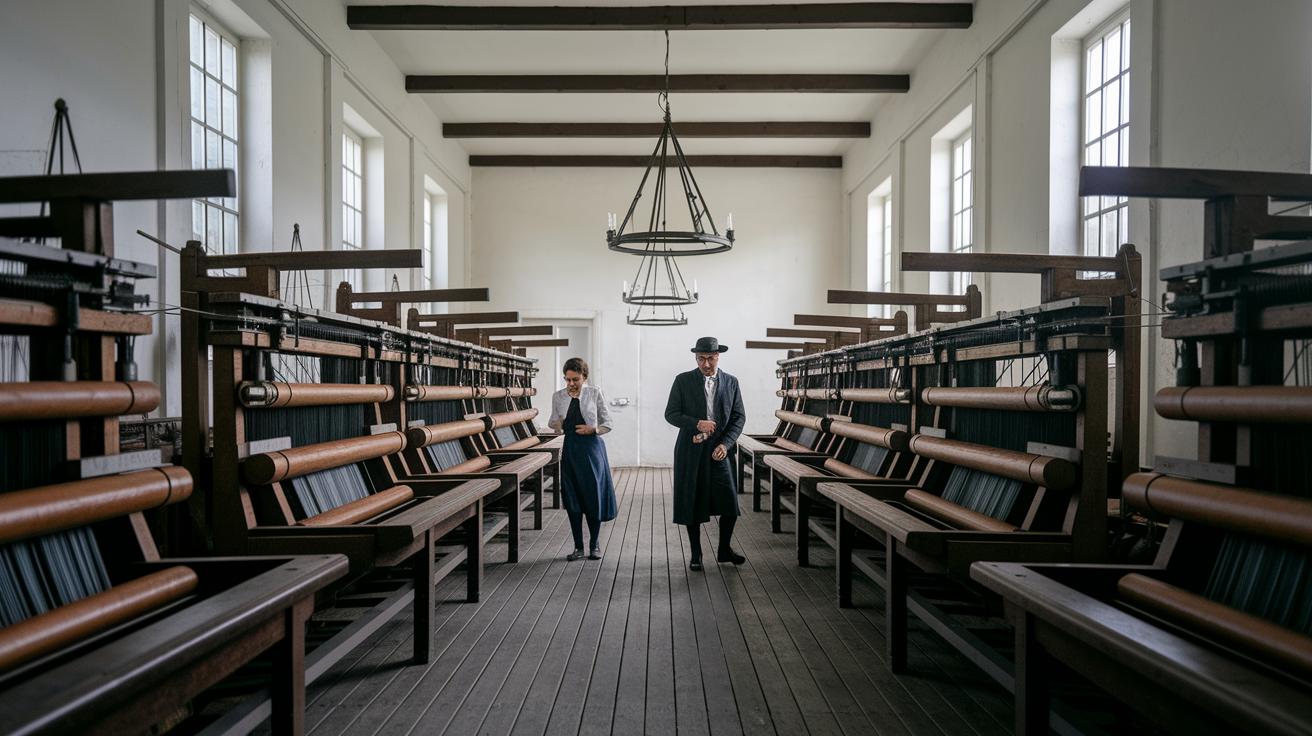
The 1800s saw a whole new way to make fabric. With the introduction of power looms and mechanized spinning, cotton mills began churning out fabrics like fine white lawn, muslin, and batiste, all perfect for elegant Empire gowns. Before these machines came around, making a single garment by hand could take an incredibly long time. These new methods slashed production costs and boosted fabric supply, letting creative designs hop from busy cities to nearby country workshops. Many families started sewing their own clothes, welcoming the fresh, accessible materials into their homes.
Specialty textiles weren’t just about fabric, they were a mark of style and status. Luxurious silk, imported along expanding trade routes, added irresistible charm to any outfit, while wool remained a trusted favorite in chilly weather. After 1820, printed patterns became all the rage, lending a decorative touch that spoke volumes about a person's taste and standing. Every fabric choice mixed elegance with comfort and captured both seasonal needs and social class. It wasn’t just about looking good; each material narrated its own tale of technological innovation, economic shifts, and everyday life, turning every garment into a vivid snapshot of the era's dynamic spirit.
Accessories and Finishing Touches in 1800s Fashion
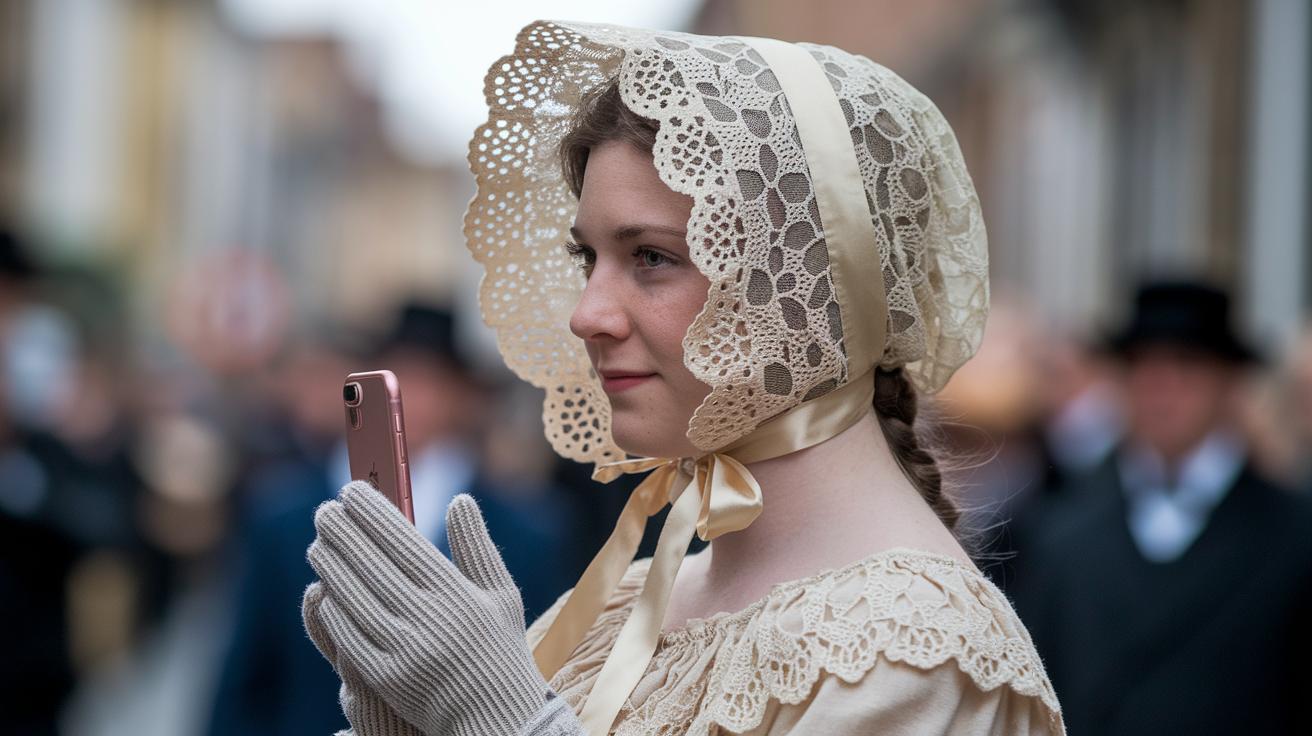
Headgear in the 1800s was a big deal when it came to shaping your look. Women wore bonnets that ranged from plain straw covers to elegant silk creations decked out with ribbons and lace, adding a touch of charm. Men swapped out stiff, towering hats for softer felt ones that mixed comfort with style. It was all about showing off a refined taste.
Gloves and shoes weren’t just practical, they spoke volumes about style too. Kid leather gloves, which extended past the wrist, brought together usefulness and a bit of luxury. And footwear? It shifted from basic slippers to shoes with modest heels, letting men stride with confidence and women move gracefully. This was a perfect blend of function and flair.
To pull the whole outfit together, decorative trims and fasteners were carefully crafted. Imagine delicate lace edges, fluttering fringe, tassels, and shiny mother-of-pearl buttons that transformed simple garments into little works of art. Every little detail whispered stories of skilled craftsmanship and keen attention to style, highlighting not just beauty but also the wearer’s social standing and unique taste.
Regional and Class Variations in 1800s Fashion
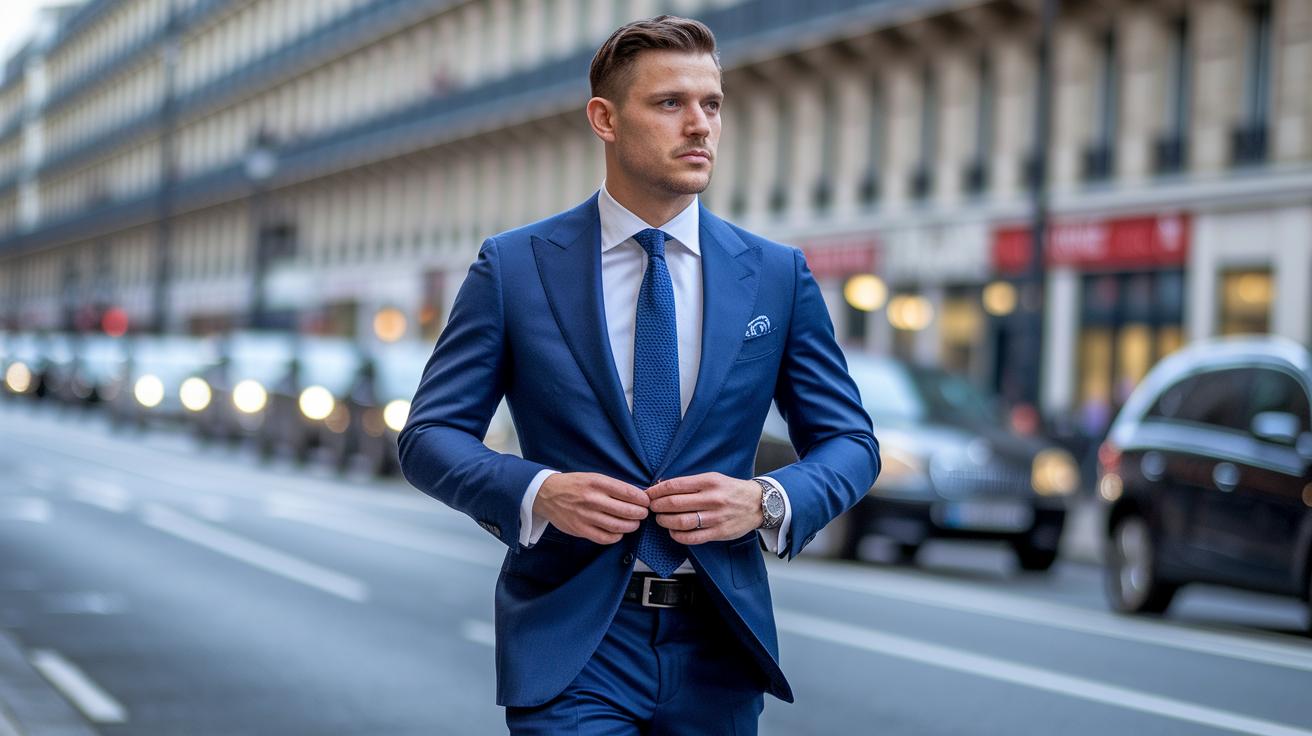
In the busy cities of Paris and London, people loved sharp suits and dresses that felt modern and classy. City folks picked outfits with smooth lines and a few pretty details that made them feel like they were stepping into a new era. Imagine the crisp feel of a well-fitted suit or the delicate flair of a tailor-made dress, they weren’t just clothes, they were a sign that you were in touch with modern culture.
Out in the countryside, things were different. Life was more practical, so people chose strong wool and simple cotton. These clothes were built to last, made from fabrics stitched together at home, sometimes even from leftovers. This no-fuss style perfectly matched the demands of rural life, keeping it real and comfortable while still having its own quiet charm.
Across the Atlantic, American style mixed it up with hints from Europe. British tailoring gave men sharp, classic suits, while hints of French fashion added an elegant twist to women’s dresses. Local tastes joined these European touches to form unique looks that worked both for work and weekend fun.
Social status also played a big role. Wealthier folks showed off with fancy fabrics and detailed decorations, while everyday wear for others stayed simple and practical. Every stitch, button, and trim was a quiet way to show where someone came from and what their place in society was.
Preservation, Documentation, and Modern Inspiration from 1800s Fashion

Early photography gives us a cool glimpse into 1800s clothing styles. Daguerreotypes from the 1840s capture every detail, from the fine stitching on gowns to the unique cuts of a well-tailored suit. It’s like holding a little piece of history in your hands, showing us exactly how people dressed back then.
Museums and archives have done a great job keeping these treasures safe. Places like the Victoria & Albert Museum and the Metropolitan Museum of Art host collections that include genuine photographs, sketches, and even records of dressmaking. These preserved items show both everyday wear and the elegant styles of high fashion, making history feel alive and real.
- Victoria & Albert Museum collections
- Metropolitan Museum of Art archives
- Daguerreotype photographic records
- Historical costume exhibitions
- Reenactment societies and vintage-inspired designers
Many modern designers draw inspiration from these detailed records. They study the precise corsetry and graceful silhouettes to spark fresh ideas for vintage-inspired collections. Each preserved artifact not only strengthens our connection with the past but also keeps the timeless charm of 1800s fashion alive in today’s style.
Final Words
In the action, this article traced the evolution of 1800s fashion from sweeping trends and shifting silhouettes to the distinct men's formalwear and fabric breakthroughs that reshaped clothing. We walked through how accessories, regional traits, and archival treasures add to the rich story.
Each segment shows how style shifted with social and technological changes. The narrative leaves us feeling uplifted, with memories of intricate details that continue to inspire today. Enjoy the colorful spark of history in every modern moment.
FAQ
How did 1800s fashion for men develop?
The 1800s men’s style evolved with structured frock coats, smart waistcoats, and varied hat designs, reflecting shifts in formal dress codes and social hierarchy while emphasizing a refined, tailored look for different occasions.
How did 1800s fashion for women evolve between 1800 and 1900?
The women’s style advanced from high-waisted Empire gowns to crinoline-supported skirts and later bustles, each phase showcasing a distinct silhouette that echoed societal status and shifting trends throughout the century.
What key trends defined 1800s fashion overall?
The era spotlighted evolving silhouettes, practical fabric innovations, and clear distinctions in day-to-evening attire. These trends were shaped by industrial advancements and the influence of social class on style choices.
What did 1800s fashion in America look like, especially among the working class?
In America, the style mixed European influences with local adaptations. The elite enjoyed fine fabrics and ornate details while working classes favored sturdy wool and cotton, resulting in simpler, functional outfits.
What colors were popular in the 1800s?
The period favored a palette of dark, rich hues accented by lighter tones. These choices were influenced by the availability of fabrics and a general preference for modest, refined colors that complemented structured garments.
What was the clothing style in the 1800s?
Clothing in the 1800s featured layered garments, structured silhouettes, and clear distinctions between formal and casual wear, with designs strongly influenced by social rank, technological advances, and evolving cultural expectations.
What is the 3-3-3 rule in fashion?
The 3-3-3 rule in fashion typically means balancing your look by incorporating three primary colors, three textures, and three statement pieces, ensuring a harmonious and well-proportioned outfit.
What is an 1880s bustle?
An 1880s bustle was a padded accessory added to the back of a dress to create a fuller silhouette. It provided shape and balance, making it a key element of late Victorian women’s fashion.