


Have you ever stopped to think why 1700s fashion still catches our eye? Back then, people loved bold new looks with soft pastel gowns, floral prints, and crisp ruffled shirts that mixed style and comfort perfectly. Men and women looked effortlessly cool by pairing cozy fabrics with a touch of elegance. Today, we see hints of that timeless charm everywhere, showing just how much those old trends still inspire our modern style.
Prominent Trends in 1700s Fashion
Imagine stepping into a world where fashion transformed right before your eyes. In the 1700s, women began wearing pastel-colored gowns adorned with cheerful floral prints, delicate lace trims, and low-cut bodices that revealed just a hint of cleavage, forearms, and ankles in a tasteful way. Men opted for a crisp, three-piece look featuring linen shirts with ruffled sleeves, neat waistcoats, and knee-length breeches held in place by buttons or buckles, all designed to convey a subtle sense of sophistication.
Women’s dresses also turned heads with structured designs that included panniers and sturdy whalebone side-hoops to give skirts a graceful, expanded shape. Early on, dark, Spanish-inspired styles were popular, but as the century progressed in France, a lighter, brighter palette took center stage.
Think about it like this: there was once a time when deep, bold colors ruled, only to be replaced by soft pastels that completely changed the face of fashion. This change wasn’t just about new trends, it also reflected broader shifts in society. With sleek, balanced designs, everyday wear gained an effortless elegance, capturing the refined spirit of the era.
1700s fashion: Timeless Elegance Captured
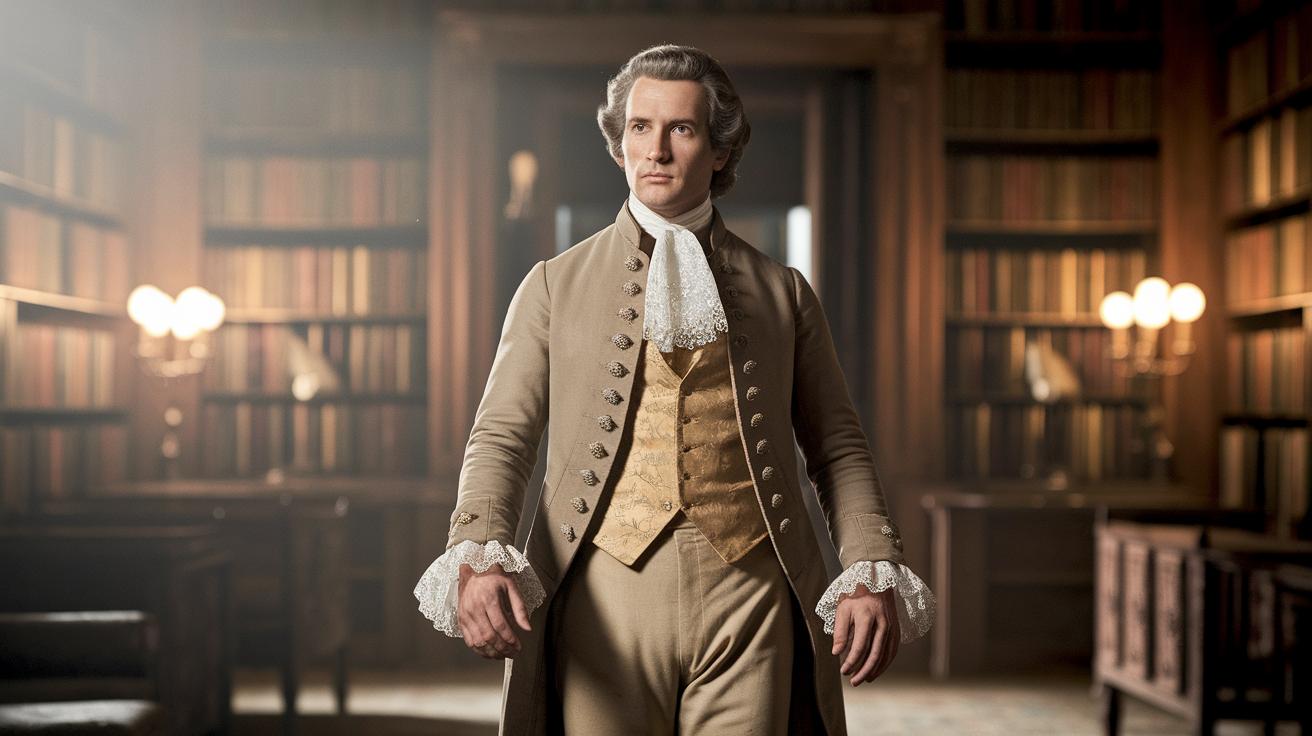
Step into a world where Georgian menswear shows off a perfect mix of classic style and clever design. In the 1700s, men loved rocking linen shirts with ruffled sleeves and necklines that set the stage for a well-thought-out look. Underneath, waistcoats made from wool, cotton, linen, or silk, sometimes with pretty embroidery or smart prints, added a touch of luxury. Breeches stopped just below the knee and were fastened with buckles or buttons, giving a nod to both style and practicality.
During this time, two main coat styles stole the spotlight. The full-length Justaucorps, buttoned all the way, offered a strong, noble outline. On the other hand, the frock coat, with its soft, curved hem, brought a gentler air of sophistication. Every element, from the sleek shape of the coat to the careful placement of details, spoke to a deep commitment to refined style. And accessories played their part too, tricorne hats with braided accents and feathers along with neatly tied cravats helped complete the modern gentleman’s look. Not to mention, powdered white wigs with stylish black ribbons added that final touch of aristocratic charm.
Every piece in this look, from the carefully crafted shirts and waistcoats to the enduring charm of the coats, tells a story of innovation mixed with a rich heritage. It’s like wearing history with every step you take.
| Garment | Description |
|---|---|
| Shirt | Linen, ruffled cuffs and collar |
| Waistcoat | Silk or wool, often embroidered |
| Breeches | Knee-length, buckled or buttoned |
| Coat | Justaucorps or frock coat styles |
| Wig | Powdered white with queues |
Feminine Silhouettes in 1700s Fashion
The 1700s were a turning point in celebrating a woman's shape. Back then, dresses were built with clever techniques that blended strong structure with graceful charm. The robe à la française, often called the sack-back gown with panniers, was a standout. It featured a smart, low-cut corset that highlighted the waist, paired with a large skirt supported by whalebone frames. The long, flowing train added an extra dash of drama.
Every dress was made with great care. Designers paid close attention to details like the adornments around the bust, think of the pièce d’estomac and lace-trimmed engageantes. These touches not only made the gown more eye-catching but also showed early ideas of designing high-waisted silhouettes. Experimentation was common, as tailors looked for ways to mix support with beauty. This creative spirit paved the way for subtle shifts in style that let the dress move naturally with the body.
As time went on, fresh styles emerged to reshape traditional looks. For example, the Polonaise style gathered the skirt in such a way that decorated petticoats peeked through, giving a new twist to how drapery was used. Later, the Early Empire dress came into fashion with lightweight fabrics and a high-waist cut, offering an effortlessly refined look.
Here are some iconic gown types from the 1700s:
| Gown Type | Description |
|---|---|
| Robe à la française | Sack-back gown with panniers |
| Polonaise | Draped overskirt revealing petticoats |
| Early Empire dress | High-waist, lightweight fabric |
These varied styles not only reflected the creativity of the era but also set the stage for future fashion trends, making the evolution of feminine silhouettes a fascinating story of both art and practicality.
Ornate Accessories in 1700s Fashion
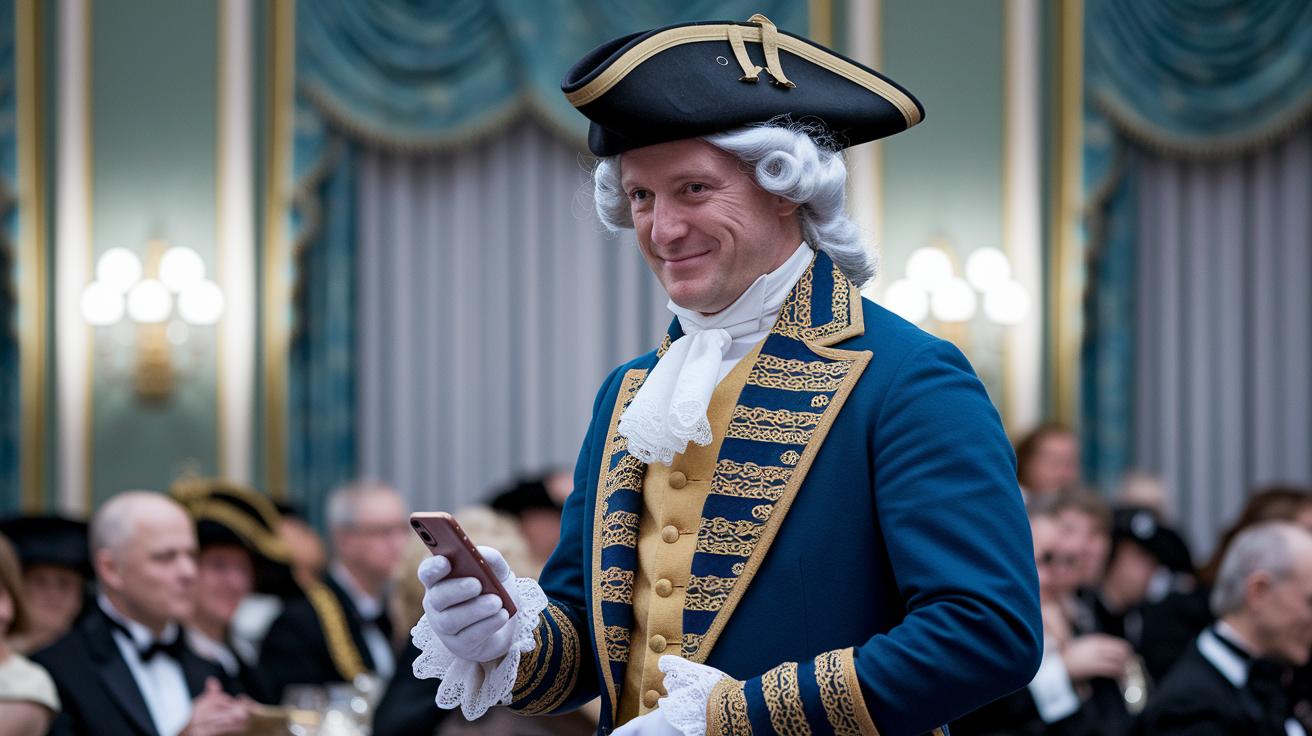
Back then, every little detail told a story. Both men and women loved sporting powdered wigs – those white or grey ensembles, lightly dusted with powder, that instantly set a polished tone. Picture a gentleman strolling into a party, saying, "My powdered wig is the mark of my style," as he catches everyone’s eye.
Hats were a must-have too, with styles like tricorne and bicorne leading the way. Often trimmed with a touch of gold braid or adorned with feathers, these hats flaunted the wearer's status in a simple yet striking manner. And those decorative cravats? They turned a mere neckcloth into a statement piece that sparked many a conversation.
Women often carried hand-painted fans, each one a tiny burst of art that brought not just a cool breeze but also a pop of color. Meanwhile, gentlemen picked ornamental canes that were as much about flair as they were practical. To top off these ensembles, neatly fitted gloves and embroidered stomacher pieces added that perfect final touch.
Every accessory, from the meticulously styled wigs to the artful cravats, wasn’t just about looking good. They were personal expressions of class and taste, a way to show the world a little piece of your artistic soul.
Social and Cultural Influences on 1700s Fashion
Back in the 1700s, the top tier of society set the trend by favoring imported silks and brocades from far-off lands like Asia and the New World. These luxurious fabrics added a bold, lavish touch to elegant garments and kick-started a style revolution where classic techniques met fresh, global influences.
Imagine looking at portraits by Carriera, Nattier, and Berczy. Their paintings capture the look of the era, pale skin, soft, delicate features, and the careful use of face powders and wigs. These images speak clearly about social class, showing that the elite enjoyed access to exclusive, imported materials that set them apart.
Trade routes played a huge part in shaping fashion back then. They delivered rare, beautiful fabrics that brought new styles to life. For example, layering fine materials with detailed adornments created an appearance that mixed tradition with modern flair. Today, museums like Florence’s Museum of Costume and Fashion and the Gallery of Modern Art keep these garments on display, letting us see how global trade changed the way people dressed in the 1700s.
Final Words
In the action, we explored the vibrant details of 1700s fashion, from the rich Rococo influences in women’s gowns to the precise cuts of Georgian menswear. We saw how accessories and cultural exchanges shaped wardrobe trends. Each section showcased unique garments, vivid color palettes, and the subtle shifts in design over the century.
This look back at history gives us a fun perspective on style. Embrace the creativity and innovation that still inspire modern design in 1700s fashion. Enjoy your newfound appreciation for timeless style.