


Remember the magic mirror from fairy tales? Withings’ new Omnia Mirror is the real-world answer. The AI-powered glass quietly studies your body in real time, logging weight, heart-rate trends, metabolic data and even subtle changes in your skin. Instead of stepping on a scale or tapping yet another health app, you simply glance at your reflection and get a private dashboard of insights. It’s a glimpse at how everyday objects—mirrors, toilets, headphones—are morphing into connected wellness hubs. From haptic holograms to transparent laptops, here are ten more game-changing inventions proving the future has officially arrived.
1. Emerge Home: Feel the Digital World
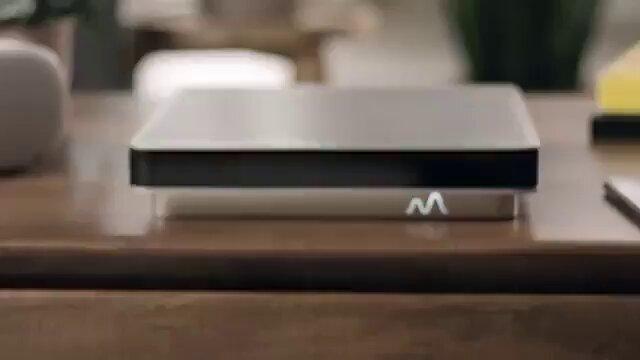
Imagine waving your hand through thin air and actually feeling something. The Emerge Wave-1 uses precisely tuned ultrasound to generate mid-air pressure points, letting your fingertips sense virtual buttons, textures, and even handshakes without gloves. Pair it with a VR headset and the couch becomes a coffee-table battlefield or a digital art studio where sculpting happens in the space above your lap. The hardware is about the size of a game console and works with popular engines like Unity, so developers can add realistic touch to any immersive experience. Welcome to tactile augmented reality at home.
2. Invisibility Shield: Now You See Me, Now You Don’t

Straight out of science fiction, the Invisibility Shield bends light around your body using a matrix of precision-engineered lenses. Stand behind it and observers see the scenery behind you, not your silhouette, perfect for photographers, wildlife enthusiasts, or anyone who wants instant camouflage. At roughly the size of a carry-on suitcase, the shield is lightweight, weather-resistant, and needs no power source. While it won’t fool heat cameras or trained spies, it’s an impressive demonstration of optical physics that turns fantasy into a very marketable reality.
3. Lenovo’s Transparent Laptop Concept
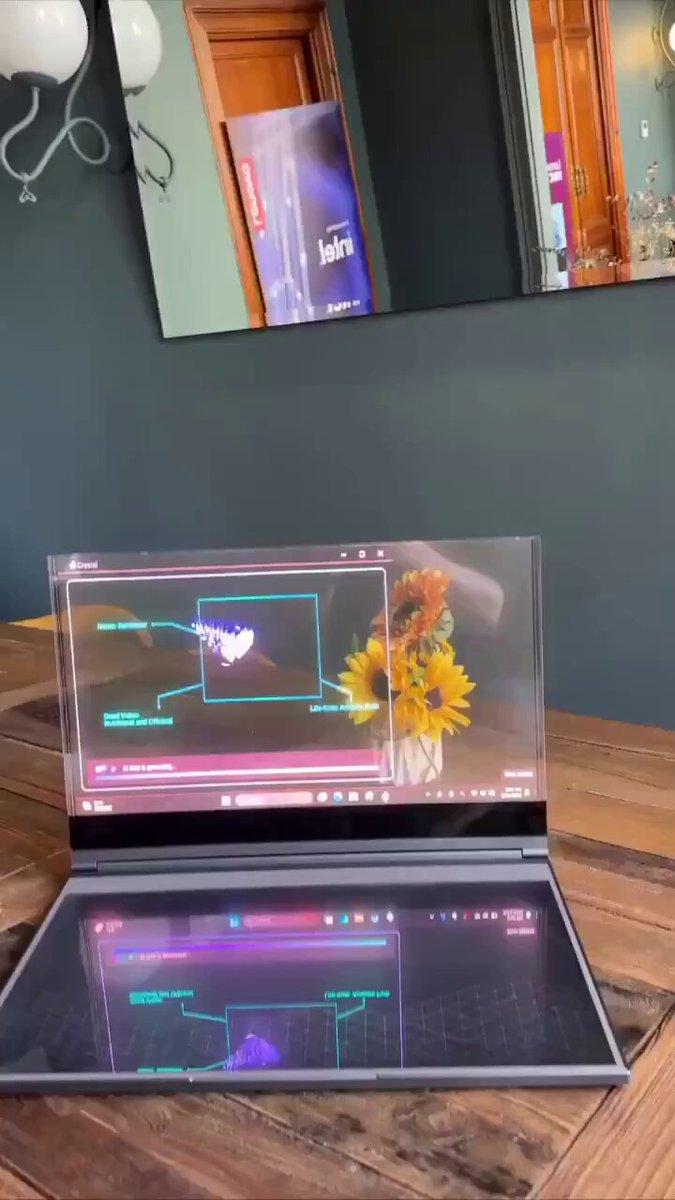
Unveiled at MWC 2024, Lenovo’s 17.3-inch MicroLED laptop is almost entirely see-through. Text, videos and 3D objects appear to float in mid-air, while a laser-projected keyboard beams onto the desk. The transparent panel offers 55% transparency when pixels are off, so you can overlay spreadsheets onto real-world prototypes or keep an eye on the barista while finishing slides. It’s only a concept for now, but it hints at devices that blur the boundary between screen and surroundings, ideal for designers, multitaskers and anyone craving a dash of sci-fi in their workflow.
4. Dyson Zone: Noise-Cancelling Headphones that Purify Air
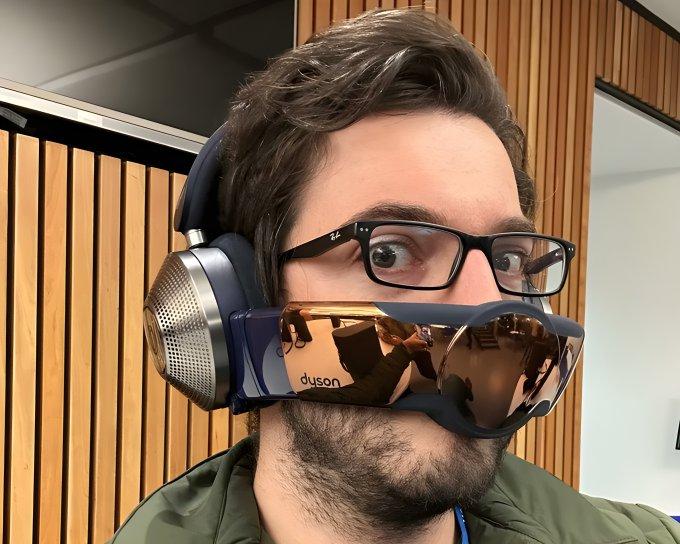
Dyson’s first wearable marries ANC headphones with a detachable face visor that filters pollutants. Twin compressors in each ear cup pull air through electrostatic and carbon filters, delivering up to 50 liters of clean airflow per minute. Meanwhile, 11-microphone noise cancellation hushes the city’s roar. The result is an oasis of crisp sound and fresher breathing, perfect for commuters in smoggy metros. Starting at $949, the Zone isn’t cheap, but it showcases how personal audio gear can double as health tech.
5. Holoconnects Box: Holograms in Your Living Room

The Holoconnects Box transforms a simple booth into a life-size holographic stage. Using a 4K transparent LCD, depth cameras and real-time rendering, it beams full-body avatars that mimic your movements with negligible latency. Remote presenters appear standing right in front of colleagues, while retail stores can display interactive holographic models without hiring live staff. The plug-and-play unit only needs a power outlet and an internet connection, putting Star Wars-style holograms within reach of offices, events and even classrooms.
6. Spacetop: A 100-Inch Laptop That Fits in a Backpack
Sightful’s Spacetop replaces a physical display with AR glasses that project a massive 100-inch virtual workspace floating in front of you. Slip on the tethered Nreal specs and launch dozens of resizable windows while fellow coffee-shop patrons see only a slim keyboard deck. Powered by a Snapdragon 865 chip and custom OS, Spacetop boots in seconds, weighs just 3.3 pounds, and keeps your screen private by design. It’s a glimpse at how spatial computing could untether us from cramped laptop panels.
7. Kohler Numi 2.0: The Smartest Toilet on Earth

Kohler’s Numi 2.0 elevates bathroom breaks with hands-free lid operation, automatic flushing, UV air purification, a heated seat, built-in speakers, and ambient RGB lighting that doubles as a night-light. Voice commands adjust bidet pressure, seat warmth, and even playlist selection, while integrated deodorization keeps things discreet. The porcelain throne connects to Wi-Fi for firmware updates, yes, your toilet now gets patches, ensuring tomorrow’s features arrive without a plumber. Comfort, hygiene and tech finally meet in one sleek fixture.
8. Arovia Splay: Foldable Screen & Projector in One

Arovia’s portable projector unfolds into a 24-inch, high-contrast screen that stiffens like origami, delivering a bright, glare-free image anywhere you land. Weighing under three pounds, Splay packs a 1080p laser projector, stereo speakers and a battery good for four hours of binge-watching. Use it as a second monitor on business trips, set up an impromptu outdoor movie night, or share slides without hunting for a white wall. When you’re done, everything collapses into a pouch smaller than most laptops.
9. NVIDIA DGX GH200: A Supercomputer for Your Desk

Costing roughly $3,000, NVIDIA’s new DGX GH200 workstation squeezes 1,000-laptop performance into a pizza-box chassis. Its Grace Hopper “superchip” marries a 72-core ARM CPU with H100-class GPU horsepower, accelerating everything from LLM training to real-time ray tracing. Liquid cooling keeps noise low, while PCIe 5.0 slots invite future upgrades. For researchers, AI startups or hardcore creators, it’s the most affordable gateway to petaflop computing we’ve seen.
10. Swippitt Instant Power System

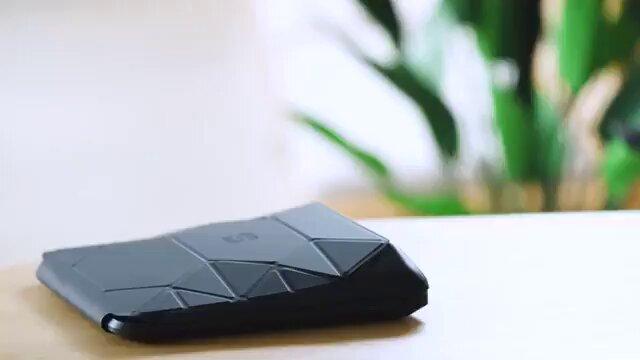
Swippitt is a pocket-sized battery hub that lets you swap depleted cells for fresh ones in two seconds, doubling phone lifespan and slashing e-waste. The magnetic dock supports up to three modules, each with its own health chip that reports cycles in the companion app. Toss a spare in your bag, snap it on when needed, and forget the hunt for wall outlets. It’s power on demand, finally as seamless as tapping wireless earbuds into place.